• Introducing Dogs to New People

    When getting a new dog or puppy, the first thing most people want to do is show them off to family and friends, but that process is an important one to prepare for and take slowly in order to set your new companion up for success. It’s vital to introduce them to new people, environments, and situations in a positive way so they remain comfortable and safe. Keep in mind that meeting new people may be fun and exciting for you, but it can be extremely uncomfortable or even frightening for your dog. Be sure to familiarize yourself with canine body language so you can recognize the early stages of discomfort and intervene when necessary. 

    How to Greet a Dog

    Before we discuss introducing them to others, it’s important to learn the proper way to greet a dog. They see the world very differently than we do. Humans greet each other by standing face to face, making eye contact, and perhaps shaking hands or hugging. This type of frontal approach can be extremely uncomfortable or even terrifying for dogs. In order to make yourself more welcoming and less intimidating to any dog, you should turn your body to the side, lower yourself to their level, avert your eyes, speak softly with a happy voice, toss them treats, and give them time to approach you. You will be delighted to find that many dogs will appreciate your efforts and come right over to say hello. Other dogs may be more cautious and still feel stressed or fearful around new people. All dogs should always be given the choice to approach or not to approach other humans or animals. If a dog does not choose to approach someone, give them space; forcing them to interact will only cause them to get more anxious, and they should be given space. Never force a dog to interact! 

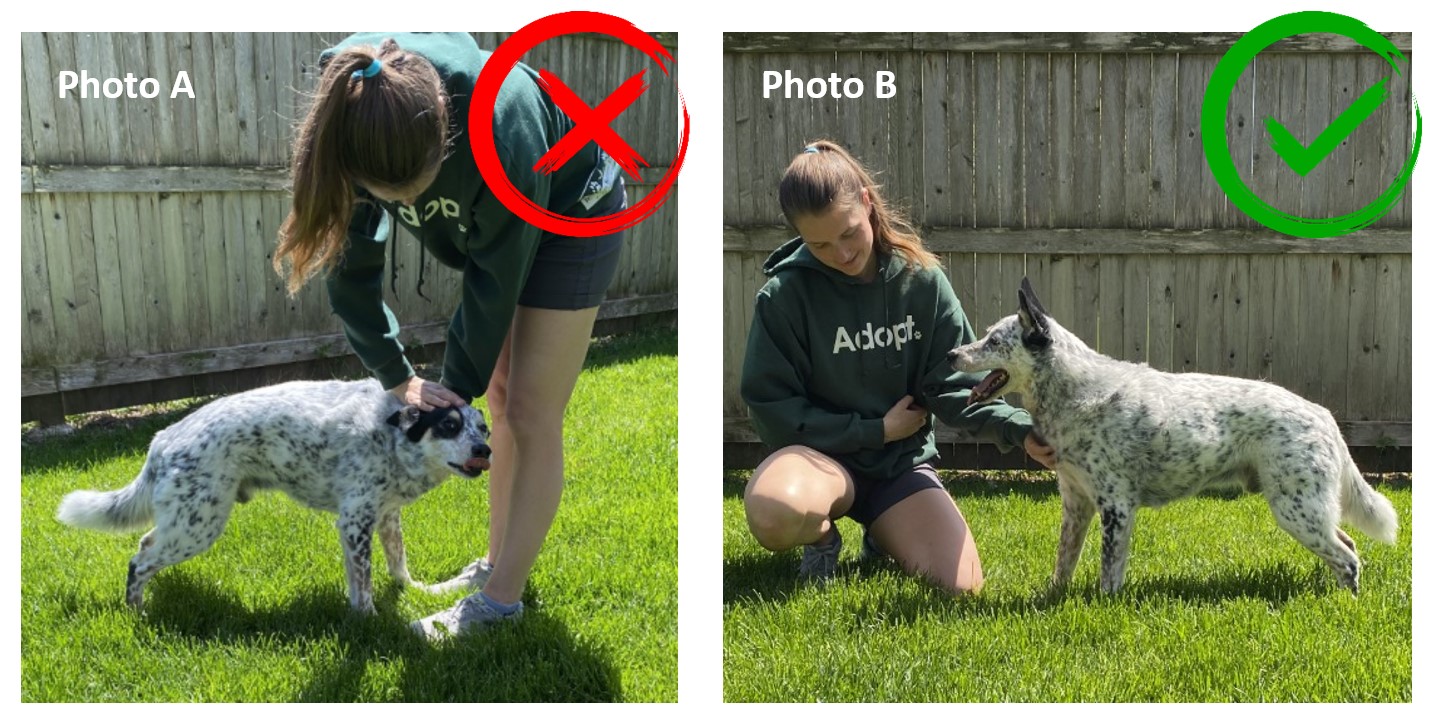
    If the dog does choose to approach you, pet them on the chest or chin instead of on top of the head. Most dogs feel vulnerable when our hands are above them and they can’t see what we’re going to do, especially if we’re towering over them already. They feel much safer when we crouch down and our hand approaches from below (like when petting under the chin) since they can monitor our movement. Keep in mind that some nervous dogs may approach to sniff and gather information about you but still may not be ready for petting. If a dog approaches with a low, fearful body, reaching out with their back legs stretched behind them, do not pet them. Instead, look for loose, comfortable body language, even if they approach you. When petting a dog, follow the three-second rule. Pet them gently for three seconds, then stop and evaluate any changes in the dog’s body language. Did the dog close their mouth, stiffen their body, or back away? These are all signs they were uncomfortable with the interaction. If you pet them on the chest for three seconds, stop, and then the dog stays near you or tries to get closer to you to initiate more touch, that means they are comfortable with the petting. See the photos and captions below for examples of canine body language when meeting a person.

    Photo A: She is towering over the dog and reaching behind his line of vision to pet him on the head. Notice how his body is low and stiff, you can see the whites of his eyes (aka “whale-eyed”), his mouth is tense and nearly closed, he’s lip-licking, and he is cowering to avoid her touch on the top of his head. He’s telling her with his entire body that he does not want to be pet this way.

    Photo B: She has crouched down, turned her body away so she’s not directly facing him, and is petting him on the chest. Notice how the dog is visibly more comfortable with this type of greeting. His mouth is relaxed and open, his body is loose, and his eyes are soft and relaxed. While it’s still important to follow the three-second rule and give him ample opportunities to retreat whenever he’s had enough interaction, this dog is currently comfortable being pet in this manner.

    Introducing Your Dog to New People

    Now that you know how to safely greet a dog, you should share this information with your friends and family before you introduce them to your new addition. Make sure they understand that they should never approach your dog, and that they need to let the dog approach them if/when the pup is ready. Approaching a dog too quickly can not only scare them but it could make them feel that they need to defend themselves with a growl or a bite. 

    Your dog’s history and socialization level will play a part in how they interact with people. You may be lucky enough to have a well-socialized dog who will bound up to everyone they meet and shower them with doggie kisses, but this will not be the case for many other dogs. It is your job to always keep a close eye on their body language to keep both your dog and other people safe. 

    If your dog is especially anxious or fearful, it is imperative that you manage every interaction with people. If you are having a guest come to your home, watch your dog’s body language carefully. They may be more comfortable meeting your guest outside. If your dog is too fearful to approach even when your guest has turned to the side and lowered their body, have them simply toss a few tasty treats to your dog and then ignore the dog. This helps your pup create positive associations and assures them that they won’t be rushed into an uncomfortable situation, allowing them time to acclimate to the new person whenever they feel safe doing so. It may take more than one visit for your dog to feel comfortable enough to interact. Remember, your dog should always get to choose whether or not they want to interact. For especially cautious pups, reference our resource on taking home a fearful dog for more information and advice. 

    Meeting People in Public Places

    When out and about with your adorable dog, people will undoubtedly want to pet and interact with them. You will need to instruct the inquiring human to stop, lower their body, and wait for the dog to approach them. It may feel awkward at first, but it is incredibly important that you manage these interactions just as you would at home. Your dog might be more stressed than normal when processing all the new smells and sounds of their unfamiliar surroundings; an approaching stranger may be too much for them and you don’t want them to feel they need to defend themselves. When someone asks to pet them – even if you don’t have an especially fearful dog – you can say, “he can be a bit shy, but if you crouch down and offer your hand, we can see if he feels like making new friends today!” We need to be their voice, so if your dog does show signs of stress at any point in the interaction, you can speak for them and say “No? You’re not feeling comfortable? That’s ok – thanks for trying!” and remove yourselves from the situation.

    If you do know your dog is uncomfortable around strangers, you should absolutely speak up to say something along the lines of “I’m sorry, she’s very fearful and doesn’t like petting from new people.” If you notice your dog is routinely uncomfortable in public places, it may be better to leave them at home. For some cautious dogs, you may be able to build their confidence through short, intentional visits to controlled spaces over time, while others just won’t ever take an interest in socializing, and that’s ok! 

    Introducing Your Dog to Children

    Your dog’s comfort level with children will again depend on their level of socialization and past experiences. Some dogs may have never met a child before, and the child’s fast movements, small size, and strange noises may be alarming to them. Other dogs may have previously had poor experiences with a child who unknowingly caused them fear or pain. Young children do not yet possess the ability to understand how to gently handle a dog and may pull their fur, crawl onto, poke at, or squeeze a dog to the point of causing pain. This should not be allowed to happen in order to keep both the child and your dog safe. 

    The first step of introducing a dog to a child actually doesn’t involve the dog at all – it’s crucial to talk with the child first while the dog isn’t present as a distraction. Discuss how they are not allowed to chase, grab, pull on, sit on, hug, wrestle, or corner the dog. Let them know they should not approach when the dog is eating or engaged with a toy or bone, and should never disturb the dog when they are sleeping. Children must remain calm, quiet, and let the dog approach and sniff them only when the dog chooses. Having the child sit on the ground can be a helpful reminder to keep their body in place since it can be tempting to rush forward if they’re standing. They should not touch the dog right away and understand that they need to wait for the adult to tell them when it is ok. It is not advisable to have the child give the dog treats right away, because the dog may take them roughly, or the child might become nervous, jerk their hand away, and frighten the dog. 

    Play a quick quiz game to reinforce what they’ve just learned. “Are we allowed to pet the dog if they’re sleeping? That’s correct! We do not touch a sleeping dog because it can surprise and scare them.” Once the child seems to understand what is expected of them, they are ready to meet your dog. You should have two adults present, one to focus on the dog and one to focus on the child. Carefully watch your dog’s body language when they first see the child. If their body remains loose and wiggly with no signs of stress, let them approach and sniff the child. Carefully watch the child, as well; if a child is afraid, they may scream or make erratic movements that frighten the dog. If the dog and child remain comfortable, let the child pet them gently on the chest. Continue to monitor the interaction with two adults and keep the interaction short and sweet; the longer they interact for the first time, the more opportunity there is for the dog to get startled and create a negative association with the child. It’s best to use many short, positive interactions as building blocks in the foundation of a strong relationship over time. It is imperative that dog and child interactions are always supervised; a child should never be left unsupervised with a dog. If your dog has a history of discomfort with children, they should not be allowed to interact with any children out in public; consult a professional force-free dog trainer for support if you’re trying to overcome this challenge with a particular child in your life. 

    Check out our resource on children and dogs to learn more tips and tricks for safe introductions and long-term success. If you ever see signs of stress, fear, or aggression in your dog when they see a child, do not proceed with the introduction and seek the help of a professional. You can call the WHS behavior line at 414-431-6173 or email behavior@wihumane.org and a member of the behavior department can assist you. 

  • Dog-to-Dog Introductions

    While adding another dog to your household can bring lots of fun and companionship for both you and your current canine, it can also bring on uncomfortable feelings for your pup as they learn to share their space, their toys, and your attention. In the long run, things will probably work out fabulously, but in the beginning, it is necessary to take a few extra steps to make sure everyone feels comfortable with the new arrangement and is set up for success. We recommend the following guidelines for smooth and safe introductions to help ensure that your dogs’ relationship gets off to a strong start!

    Maximizing the potential for a great bond between your new dog and your resident dog is a two-step process. It involves the actual introduction and then managing the new dog in your home. If you already have more than one dog in your household, you will need to introduce the resident dogs to the new dog one at a time. Two or more resident dogs may have a tendency to swarm on the newcomer. It will likely take several weeks for your resident dog(s) and the newcomer to be completely integrated into your home. Take your time and move through the introduction process slowly. Going too slowly will not be harmful, but if you rush the process, it could lead to negative interactions that can set everyone back or even damage the chances for a successful relationship between the dogs in the future. 

    Setting up your home

    Before the newcomer arrives, set up your home for the new dog’s arrival. This will include putting up gates or determining which doors to shut to provide your new dog with their own space where they can be completely separate from your resident dog. If either dog is likely to jump over baby gates, you will need to purchase extra tall baby gates or have the dogs separated by solid doors. Be sure that the separate spaces have the essentials set up for each dog, including a water dish, food bowl, comfortable bed, and toys. Having a plan in place for how you will create separate spaces before bringing home your new dog will allow for a smoother, less stressful transition into your family. 

    The Introduction

    Choosing an appropriate location

    Introduce the dogs in a neutral location so that your resident dog is less likely to view the newcomer as a territorial intruder. Each dog should be handled by a separate person. With both dogs on a leash, take them to an area with which neither is familiar, such as a park or a neighbor’s yard. If you frequently walk your resident dog in a park near your house, they may view that park as their territory, so choose another site that’s unfamiliar to them. Ideally, the space will be fenced in, though this isn’t necessary.

    Be prepared

    Research and familiarize yourself with dog body language. Our canine companions can’t talk, but if you know what to look for, they are always telling us exactly how they feel – and a wagging tail does not automatically mean happiness. Once you’re aware of the subtle cues in their posture, how they’re holding their mouth, the way they’re using their eyes, or even whether or not they’re licking their lips, you’ll gain a lot of insight into their current emotional state and can better guide their interactions with other pets or humans. 

    From the first meeting, you want both dogs to expect “good things” to happen when they’re in each other’s presence. Bring a treat pouch or pocket full of high-value treats to use during the introduction. 

    Have at least two people present who are able to handle a dog comfortably. Having a third person to help observe the dog’s body language is also beneficial. 

    Talk through your plan with the other dog handler prior to bringing the dogs out so that you are both on the same page and understand the process you will be following.

    Allowing the dogs to meet

    During the introduction, it is vital that you avoid putting tension on either dog’s leash while they are interacting, always doing your best to leave some slack. When a dog has tension on their leash, they can feel trapped and start to emotionally escalate with growling, barking, etc.

    Observe both dogs’ body language throughout the whole process, starting when they first see each other. Ideally, as you approach the other dog, you’ll see tails wagging at spine level, soft and wiggly body postures, play bowing, ears back, squinty eyes, and no extended direct eye contact. These are clear expressions of a non-aggressive social invitation. If, while at a distance, both dogs are showing relaxed body language, give your dog a treat when they look towards the other dog (and have the other handler do the same). This will begin to build up a positive association for them when seeing the other dog. 

    Behaviors that are more concerning include stiffness in the body, standing tall, ears pricked forward, growling, hard direct eye contact, stiff/raised/fast-wagging tails, lunging on the leash, and aggressive barking. If you see these warning signs, stop your approach and do not have your dogs meet at this time. Enlist the help of a professional trainer for a one-on-one behavior consultation before moving forward.

    Retreat and re-approach

    If you continue to see relaxed body language, let the dogs sniff each other briefly. Sniffing is a normal canine greeting behavior and they may circle each other as they do so. While they are sniffing, it is important to continue to keep the leashes loose so there is slack. 

    Keep the initial greeting short and only allow sniffing for up to three seconds. Both handlers should then redirect the dogs back to them using happy voices and reward them with food or praise. When separating the dogs, you should move so you are 10-20 feet apart from each other. Don’t allow them to investigate and sniff each other for a prolonged time or put tension on the leashes to separate the dogs, as this may escalate to an aggressive response. 

    If both dogs remain frontal with squared shoulders and neither dog turns away to move around and sniff the hind end, redirect both dogs with your voice and high-value treats, as it is likely that the behavior will escalate. When offering treats in this scenario, wait until the dogs are facing away from each other to offer the food. Some dogs will guard edible items from others, so it is important for there to be distance between the dogs before offering food. 

    Once separated, you can give treats for calm behavior or for following a cue such as “sit.” If both dogs remain relaxed and have soft, loose body language, give the dogs the choice to approach each other again. If they don’t readily choose to do so, that’s ok – do not force further interaction. If they do approach each other, continue to keep greetings short and sweet by redirecting the dogs away after a brief sniffing. After several short, successful approaches, you can increase the time the dogs interact. Always watch both dogs’ body language for signs of increased body tension, stress, or fear. If one dog attempts to avoid or move away from the other, allow them to do so and do not let the other dog approach or follow. If either dog is unable to respond to a basic cue or is not taking their favorite treats, those are signs that your dog’s stress level has risen. Give yourself some additional space before attempting another greeting. You may not be able to do a second approach if one or both dogs are showing signs of stress, reactivity, or fear. If this occurs, it doesn’t mean your dogs won’t be able to coexist or even become playmates, it just means you will need to slow down the introduction process and keep the dogs separated initially. 

    If the dogs’ body language remains loose and no signs of aggression are seen, take the dogs for a walk and let them sniff and investigate each other and the environment. Continue to give high-value treats throughout the walk. Be aware of where both dogs are when you are giving treats. Don’t feed the dogs treats when they are right next to each other, as this could result in one or both of the dogs reacting and guarding their resource.

    If you are in a fenced space and both dogs are showing signs of soft, loose, social behavior, you can drop leashes and allow them to drag behind the pups while they play/interact. Continue to carefully observe the dogs’ body language during play. If play begins to escalate and arousal levels increase, calmly interrupt the play by picking up the dogs’ leashes and separating them while offering high-value treats. Signs of escalation include an increase in how vocal the dogs are, rapid body or mouth movements, excessive panting, or the pigmentation around their eyes and mouth becoming red. Especially in the beginning, err on the side of caution and give your dogs more breaks rather than risking a scuffle. 

    If you’ve ever seen your dog “shake off” without being wet or having just woken up, that is how they hit their own reset button after a stressful situation, releasing some tension and pent-up stress. Play can escalate to a scuffle if the dogs’ arousal levels increase and they don’t choose to take a break on their own and shake off. There is a higher likelihood of this when two dogs are just getting to know each other’s play styles. Luckily, you and at least one other person will be closely monitoring the interaction and can assist the dogs in taking a break when needed. Not all dog-dog introductions will lead to play during the first introductions, and that is okay. It does not mean you won’t see play behavior in the future. Some dogs live very comfortably with other dogs and enjoy their companionship, but rarely, if ever, play with their housemates; that is still a wonderful relationship! Your goal should be for your dogs to feel safe, relaxed, and comfortable in each other’s presence, so don’t be discouraged if they aren’t interested in actively playing with each other or don’t interact in the way you may have imagined. Just like us, some dogs take time to be comfortable with a new acquaintance, and with time, you will see the relationship grow. Even if you see play behaviors during the first introduction, you will still need to re-introduce the dogs at home and continue to manage their interactions. Behavior changes as environments and stimuli change. You may initially see different behaviors in the home than you did during the introduction in an open, neutral space outside.

    Taking the dogs home

    Even if the dogs interacted with soft, loose bodies in a neutral location, you will still need to be prepared to separate the dogs inside the home and revisit short, sweet approaches. Each environment is full of different stimuli which affects their behavior in varying ways. When transporting your dogs home, the dogs will need to be kept separated by a physical barrier, such as a crate, or ride in two different cars. 

    If the introductions went smoothly in the neutral area, you can do another short, sweet greeting outside the home. Once inside, keep the dogs separated by a physical barrier. Allow the new dog time to decompress in their “safe space” that you set up prior to bringing the dog home. This decompression time should last for a few hours, at a minimum. If the new dog seems tired or disinterested in the resident dog through the barrier, wait until the next day to allow them to physically interact. They will still be acclimating to and learning about each other as they watch one another through the barrier and as scent passes back and forth.

    To help the dogs settle once in the home and in separate spaces, provide each dog a high-value enrichment item (ex. peanut-butter-stuffed Kong). Giving the dogs something to engage with will help decrease the focus on each other. During the first few days to weeks, while the dogs are separated (how often and for how long will vary based on comfort level), it will be helpful to keep several different high-value enrichment items at the ready. Give these to the dog who is confined. Dogs have different levels of experience and comfort when confined to a separate space and the enrichment item will help them learn this is a positive part of their day. 

    Always observe body language

    It is very important to continue watching both dogs’ body language throughout their interactions with each other and when seeing each other. Watch carefully for body posture changes, including increased body tension, a prolonged stare, teeth-baring, or deep growls. If you see such postures, interrupt the interaction immediately by calmly and positively getting each dog interested in something else. For example, both handlers can call their dogs to them and reward each with a several treats. The dogs will become interested in the treats which will prevent the situation from escalating into aggression. If you see signs of aggression, consult a professional on how to best move forward. 

    All dogs react differently to seeing another dog from behind a barrier, and you may see an escalation in their behavior. For example, if they were soft and loose during the introduction outside, they may bark or growl from behind a barrier when seeing the same dog inside the house. If this behavior occurs in your home, use barriers that the dogs cannot see through. For more information on behaviors from behind barriers, check out our resources on barrier reactivity.

    The first weeks at home

    • Have both dogs drag leashes while interacting with each other for the first few days or weeks. This will allow you to quickly use the leash to separate them if it becomes necessary. Grabbing a leash is a much safer option than attempting to grab a dog’s collar. Many dogs find collar grabs aversive and stressful.
    • Continue providing the dogs with short, sweet interactions and build up the time they spend together slowly. It will depend on the individual dogs how long this process will take. Always pay close attention to their body language throughout interactions. 
    • It’s crucial to avoid scuffles or any negative interactions during the early stages of your dogs’ new relationship. Remember to pick up all toys, chews, food bowls, and your current dog’s favorite items. These items can be reintroduced after a couple of months, once the dogs have started to develop a good relationship. Some dogs may never be comfortable sharing items of value such as toys, bones, etc., and you will need to manage this throughout their lives by keeping resources picked up and only providing the items when that dog is alone.
    • Feed the dogs in completely separate areas with a physical barrier between them. Pick up bowls when feeding time is over, as some dogs will compete over bowls that previously contained food.
    • Confine the dogs in separate areas of your home whenever you’re away or can’t supervise their interactions. 
    • Spend time individually with each dog. Give each of them training time with you and playtime with other dogs outside your home. 
    • If your dogs are very different in age or energy level, be sure to give the older or less energetic one their own private space where they can enjoy rest and down time. In addition, you will want to give the younger or more energetic dog increased physical and mental exercise. 

    Dog-to-dog introductions can be a challenging process to navigate, but your patience and commitment to a gradual process is the key to success. If the dogs are not getting along, it’s important to reach out for support. Contact the Wisconsin Humane Society behavior department at behavior@wihumane.org or 414-431-6173 with any questions or concerns.

  • Dog-intolerant Dogs

    What to do if your dog is uncomfortable or reactive around other dogs

    Just like people, dogs have different comfort levels when it comes to socializing. While some dogs enjoy interacting with any dog they come across, others are more selective in who they play and interact with. There are also dogs who don’t like being around other dogs at all, and some who are unsafe around other dogs, and that’s okay! They can still live a full, happy, enriched life. However, it is important for you as their guardian to be aware of their preference and manage their environment to prevent accidental dog-to-dog meetings.

    Managing your dog-intolerant dog includes overseeing your dog, being aware of the environment, and remaining observant of other dogs in the area. To determine how much management is needed, it is helpful to have an understanding of your dog’s behavior with or around other dogs. If you are unsure, either seek the help of a professional or err on the side of caution for the safety of both your dog and any others who may be in the area. Some dog-intolerant dogs are comfortable in the same space as others as long as they don’t have to interact with them, while others cannot see or be near another dog without a behavior change (ex. signs of stress or reactivity).

    In-home management

    Managing a dog-intolerant dog in your home includes setting your home up so that your dog does not have the opportunity to escape. It’s dangerous for any dog to get loose, but especially so for dogs who don’t get along with others, as they could harm any passing canines.

    To manage the home, place barriers (ex. baby gates) as extra reinforcement, blocking access to entrances/exits, reducing the likelihood that your dog will slip out when someone comes in or leaves. Even if door-dashing is not a behavior you normally see in your dog, it is an important preventative measure. See our resource on Escape Artists for more information on setting up barriers around exits in your home.

    Be aware of open windows. Many dogs will choose to push through a screen in a window and jump out if there is something outside they want to chase. If opening windows in your home, only open them a few inches and ensure they don’t have enough room to squeeze through if they become motivated enough to try. If you want to open a window wider or you don’t have a means of securing it in a given position, block your dog’s access to the room with gates or closed doors while the window is in use.

    Do not leave your dog outside unattended. Even if you have a fenced-in yard, it is important to be outside supervising your dog. If your yard is not fenced, have your dog on a leash or longline. Do not let your dog-intolerant dog off-leash outside. Even if they consistently come when called, there may be events where something motivates your dog to run off and not respond to your recall cue. In this situation, you are putting other dogs that may be in the area at risk. A longline (usually a 20- to 50-foot-long lightweight leash) is a great tool to allow your dog space to run around and chase toys but still have them connected to you for safety.

    In the world

    Your dog can still enjoy walks, hikes, and other off-property adventures, however, it is vital that you remain aware of your surroundings. Many dog guardians have not experienced a dog-intolerant dog and will not provide your dog the space they need without prompting.

    • Be an advocate for your dog and direct others in the area to give you and your dog space. Pay attention while walking and have a plan to move out of the way – ideally across the street – to allow others with dogs to move past while giving your dog the space they need.
    • Bring high-value treats with you on your walks. If you come across another dog and you are moving out of the way, feed your dog yummy treats to make this event a fun activity.
    • Some dogs will react toward other dogs while on leash. This reaction may consist of barking, growling, or lunging. If you experience any level of reactivity on leash, see our resource on Leash Reactivity for more information on how to work with that behavior.

    Even if your dog is comfortable walking by other dogs and people, you cannot guarantee other dog guardians will maintain space. Many individuals walking social dogs will allow their dog to greet while passing dogs without consideration of how the recipient may respond. This is where your observation skills come into play. If you see someone walking near you who is either not paying attention to their dog or is allowing their dog to approach passing dogs, move away or ask the person to keep their dog closer to them while you pass each other. This is not the time to be subtle, as this is for everyone’s safety. Speak loudly and clearly when telling the other person exactly what you would like them to do. If possible, cross to the other side of the street.

    If your dog is not comfortable walking past other dogs, consider taking walks during off hours when sidewalks or pathways will be less crowded. This way, the likelihood of having to pass a high volume of other dogs is lower. In many neighborhoods, 5-6 p.m. is a very busy time, as owners are coming home from work and letting their dogs out for the first time since the morning, so plan to avoid this rush hour.

    In the case of a loose dog approaching yours, always carry animal-repellant citronella spray and extra treats. If a dog is approaching off-leash and their human is unable to call them back, throw a handful of treats at the approaching dog. Many will stop and eat the treats, giving you time to move farther away and the other dog’s human time to reach them. If the oncoming dog does not stop to eat the treats and continues to approach, spray the citronella toward them while moving yourself and your dog away. The sprays designed to deter animals do not harm the oncoming dog, but instead surprise and distract them. This will deter the other dog from approaching and, once again, give the other dog’s human time to get to them and put them on a leash.

    Places to avoid with your dog

    Even if your dog is comfortable in close proximity to other dogs and you are a responsible dog guardian, you cannot predict what other people will do or what level of awareness they will have of their dog. If your dog is tentative or reactive around others, it’s best not to take them to the following places, as these can be uncontrollable environments with high dog populations, leading to unsafe situations:

    Dog Walk Events or Pet-Friendly Festivals
    There are many dog walk events and fundraisers being held throughout the year. With the high volume of dogs, it is not a safe space for a dog-intolerant dog. Your dog will inevitably encounter unwanted greetings and unsolicited butt sniffs, making the experience highly stressful and potentially dangerous. There are simply too many people and other dogs to be able to support your pup with the space they need.

    Dog Parks
    If your dog has any level of dog intolerance or dog selectivity, they should not be going to dog parks. This environment is not fun for a dog who has any level of discomfort with other dogs. Repeated, forced exposure will not make them “get used to it” but can instead make matters even worse. Not every dog is a dog-park dog, and that’s ok!

    Picnics/Cook-outs
    When family and friends gather together, the focus is on socializing with other people. Even if your dog is the only one there, your focus is likely not fully on them, and other dogs may wander into the park or yard. A friend or family member may show up with their dog unexpectedly, leading to a surprise encounter. It will be less stressful and safer for both you and your dog if they stay home.

    Pet Friendly Stores
    Most stores have narrow aisles and lots of blind corners, not to mention how distracted we typically are as we seek out what we came to buy. It’s a hectic situation for even the calmest of dogs, but especially so for dog-reactive ones. You may not expect many other pups to be there, but even a single unanticipated encounter around a corner can be dangerous. Once again, it’s best to leave your dog at home for errands like this.


    Remember it is important to follow the level of management your dog needs. Avoid uncontrolled environments and situations that may lead to accidental dog meetings. Do not feel bad about leaving your dog at home when going to crowded, pet-friendly areas. If they are not comfortable interacting with other dogs, that event is likely to increase their stress level and they would prefer to stay home anyway. Being dog-intolerant doesn’t make your dog bad, nor does it lead to them missing out. These dogs simply find reinforcement in other activities and can live very happy lives without other dog friends. Resist the urge to force your dog into the mold you envisioned for them, and instead have fun discovering what they do enjoy. Their happiness will increase and your bond will grow as the two of you navigate this journey together!

  • Decompression Walks

    Decompression Walks

    When most people say they take their dog on walks, it typically looks like a brisk stroll through a busy neighborhood, on a sidewalk, with their dog on a 6ft leash at their side or pulling to get further ahead. These types of walks may be substantial exercise for the human, but it’s a different story for the dog. These “traditional” walks typically do not meet a dog’s mental nor physical enrichment needs as one might think, and they do not allow dogs to engage in species-typical behavior. These walks can also be stressful for both you and your dog, especially if they are fearful or reactive to certain stimuli (other dogs, bicycles, people, etc.). So how do you walk your dog and meet their needs? Start giving them decompression walks! 

    What is a Decompression Walk?

    A decompression walk is simply a walk where the dog is allowed freedom of movement in nature, as described by dog trainer Sarah Stremming of The Cognitive Canine, LLC. This type of walk is much different than your typical neighborhood walk, as it allows them choice and provides physical and mental stimulation. Giving dogs the chance to take things at their own pace outdoors allows them to find their own enrichment and exercise. Dogs are natural hunters and scavengers with innate behaviors that include sniffing, chasing, running, digging, and playing, and most neighborhood walks simply don’t allow dogs to engage in those activities. 

    Benefits

    Not only do these walks provide physical and emotional benefits, but they can also provide behavioral benefits. Decompression walks are great for any dog but can be particularly beneficial for dogs who are reactive, fearful, or suffer from anxiety and stress. The goal of a decompression walk is calmness and relaxation. Allowing your dog to engage in natural behaviors promotes calmness and decompression, and can, in turn, improve behavioral health.

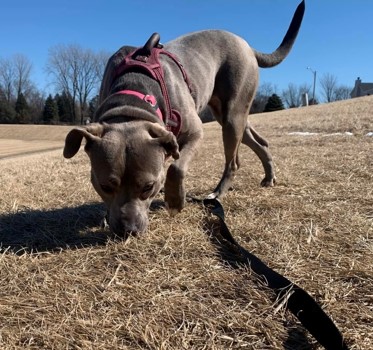
    When you take a dog on a “traditional,” fast-paced walk, they rely more heavily on their eyes versus their nose. You will see their head elevated and scanning the environment for things to stimulate their mind and react to. That is not a walk that is calming nor relaxing for your dog. If these types of walks affect your dog’s behavior negatively, do not take them! On the other hand, decompression walks go at your dog’s chosen pace and are led on their terms. During these types of walks, dogs’ heads tend to be low to the ground and they primarily use their sense of smell to explore the environment. Sniffing has a calming effect on dogs, and having control over their environment is a primary reinforcer. This type of mental enrichment is crucial for tiring a dog out and it will be much easier for them to relax at the end of the day.

    Guidelines

    There are no set rules behind decompression walks and what they should look like, but there are a few guidelines that you should follow to ensure your dog is truly receiving a decompression walk:

    • The walk should be 100% driven and guided by your dog and their nose. Your dog chooses where to go in the environment, what to sniff, when to stop/move, and how fast to go. Think of yourself as the passenger and the dog as the driver.
    • The walk should be completely pressure-free on your dog and yourself. There should be no agenda, no training, just relaxation.
    • Treats can be given to your dog if they offer eye contact and engagement with you, but mostly just leave them to enjoy themselves. You can also toss treats in the grass to help them engage with the environment.
    • Don’t use cues on these walks; if you must recall your dog back to you for any reason, make sure to always reward them for it. 

    Equipment

    Decompression walks require two main pieces of equipment: a long line and a well-fitted, non-restrictive harness, preferably with a back-clip option. A long line is a long, light, and strong rope or leash that is usually 20-50ft long. You can find long lines at most pet stores or online. Check out www.palominelines.com for customizable BioThane® lines that are lightweight, durable, tangle-proof, and easy to clean. Retractable leashes should never be used, as they can be hazardous for many reasons and do not provide the safety and freedom that long lines do.

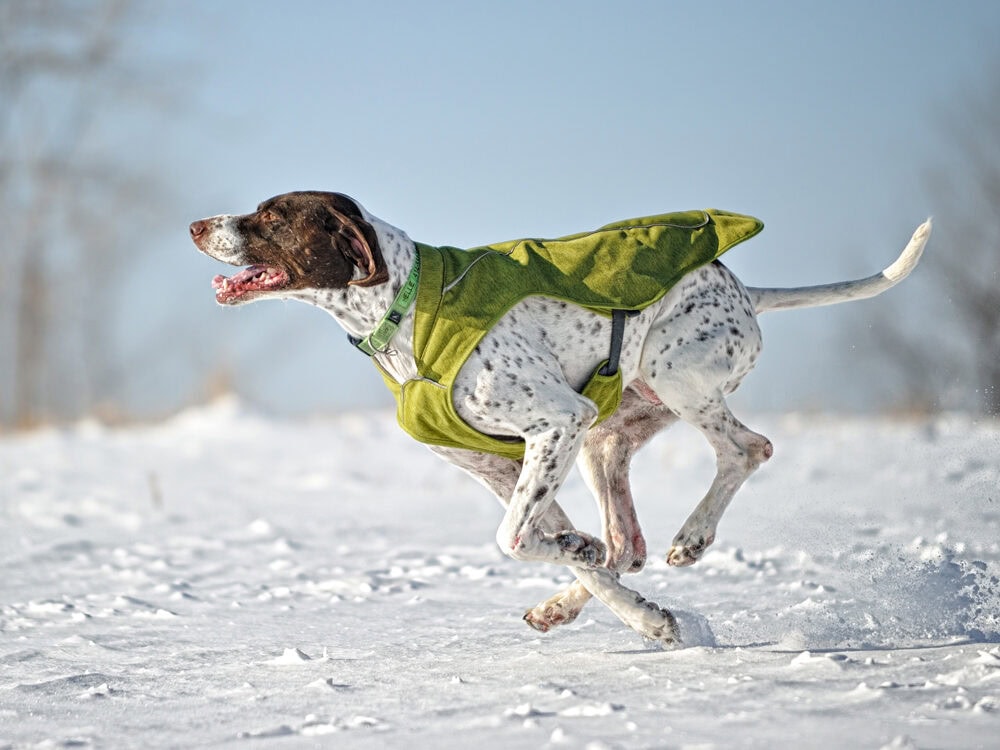
    We recommend back-clipping harnesses during decompression walks for the least restriction. Having the leash clipped to the back of the harness allows your dog more freedom, is less restrictive, and is much safer in the event that your dog runs to the end of the long line. The Ruffwear Harnesses are a great option for these types of walks and they have several back-clip designs, including Web Master, Hi and Light, and Front Range Harness.  

    Environment

    Decompression walks should occur in open areas at low-traffic times and must allow your dog a lot of safe space to move. Examples of places you can go would be trails, beaches, open grassy areas, or even a backyard. It is important that you do your research and make sure that dogs are allowed wherever you plan on taking them. These walks should be tiring, but not taxing. 

    Urban walks can be mentally draining on your dog, with noisy trucks, traffic, other dogs, and crowds of people. If you live in an urban area without an easily accessible environment, you can scatter some treats in a local park, soccer field, or baseball diamond when not in use. Allow your dog to zigzag around these areas on the long line and use their nose by searching for treats and exploring the environment. You can also check out www.sniffspot.com where you can search your local area and rent safe, private spaces for your dog to be a dog. 


    So, get off the concrete path and begin to incorporate these walks into your life as a daily, non-negotiable practice. Think of it as mandatory stress-relief and just be together with your dog in nature while unplugging from the rigors of day-to-day life. Not only will your dog thank you, but you may even feel a decrease in stress and anxiety yourself on the “sniffari,” too!

    YouTube video
  • Selecting a Reputable Breeder

    Selecting a Reputable Breeder

    There are many amazing animals in shelters and rescue groups across the country in search of loving homes, many of which will make wonderful additions to your family. If you aren’t able to find your match and decide to purchase a puppy, it’s very important to do your research and find a reputable source before chosing your new companion.

    Avoid Obtaining Puppies from Pet Stores 

    Not all pet stores sell puppies and kittens, but you should be careful about the ones that do. Consider the source of the animals sold at these facilities. Reputable breeders do not sell their animals to pet stores.

    In order to make a hefty profit, many pet stores obtain puppies for the lowest possible cost. This often means that pet stores get their inventory of animals from puppy mills. Puppies from puppy mills are sold cheaply to animal brokers and pet stores and then the store sells them to customers at much higher prices. Pet store prices can actually be substantially higher than a reputable breeder’s, and pet stores will not be able to provide you with information regarding animal’s temperament, health, or background. For this reason, it is best to obtain puppies from reputable breeders or adopt them from a good rescue group or animal shelter. For more information about puppy mills, click here.

    Research Your Source

    If you choose to obtain your dog through a breeder, familiarize yourself with his or her qualifications to make ensure that he or she is reputable. Responsible breeders try to improve the breed. Other breeders, often called backyard breeders or puppy millers, may act irresponsibly to maximize financial profits at the detriment of the dog, the breed and your pocketbook.

    If the breeder is not knowledgeable about the dogs and specific breeds he or she is selling, something is wrong. Reputable breeders know a lot about the animals they work with, and they provide references from satisfied clients.

    Questions to Ask a Dog Breeder:

    • How long has the breeder been in business at the same location? Make sure they are not a fly-by-night operation.
    • Does the breeder have references you can contact?
    • How many types of dogs do they breed? Most reputable breeders only work with one or two breeds.
    • What are common health issues or concerns associated with the breed?
    • Does the breeder offer a written guarantee to provide a full refund of the price if the dog is later determined to have a serious preexisting medical condition or temperament problems?

    Here are some tips to help you find a healthy companion animal:

    • Age: We recommend that puppies stay with their mothers and littermates until they are at least 8 weeks old. An early separation can cause lifelong behavior problems. Verify the puppy’s age.
    • Proper socialization: Puppies should be friendly, not excessively shy or aggressive. If they’ve been well-cared for and around kind and loving people, they will most likely be very friendly and playful.
    • Vaccination records: By 8 weeks of age a puppy should have gotten one distemper combination vaccine, including a parvo preventative. He or she should also receive booster shots at 3 to 4 week intervals. Ask if the puppy has been de-wormed.
    • Has a veterinarian checked the puppy? Get a written and signed statement from the breeder’s veterinarian indicating that the animal has received an exam. Ask for the name of the vet and call for verification. Reputable breeders do genetic testing of parent dogs to avoid passing on problems. Make an appointment with your own veterinarian for the day you pick up the puppy, or soon thereafter.
    • Nutrition: Ask to see what the breeder is feeding the dogs. Most good breeders will give you a few days’ supply of dog food for you to take home and help your puppy’s digestive system adapt.
    • Always ask to see the mother. If the dog you are obtaining is eight weeks old or younger, you should still see enlarged mammary glands as evidence that the mother was lactating. Be careful. Many backyard breeders will show you a pretty female dog and say it’s the dam (mother), even though the dog has never had a litter.

    Responsible, reputable breeders are knowledgeable and willing to share with you information about training your puppy. Responsible breeders will also interview prospective clients and ask to meet the whole family. They want to make sure the temperament of the puppy matches the personality and lifestyle of the family. Responsible breeders also encourage or require clients to spay or neuter their puppy. The dogs on their property are friendly, socialized and trained.

    Adoption

    You can also adopt a purebred dog from a local or national rescue group. If you choose to adopt a companion animal from the Wisconsin Humane Society, either a mixed-breed or a purebred, there are many benefits included. All animals are spayed or neutered, microchipped, vaccinated, and provided with other veterinary services. Our knowledgeable adoption counselors will assist you in selecting a dog who will be a fit with your lifestyle.

    We offer an array of training services and behavioral support through our expoerts, as well as a retail store to help people select animal care products to support their new pet in their home. Finally, knowing that you are giving a very deserving and wonderful animal a second chance increases the joy of adding a new member to your family.

    Click here to see some of the wonderful animals available for adoption at the Wisconsin Humane Society.

  • Free Health Exam for WHS Adopters

    Free Health Exam for WHS Adopters

    Congratulations on your adoption!

    All animals adopted from the Wisconsin Humane Society go home with a certificate for a free health exam at a participating veterinary office. The exam must be scheduled within 7 days of adoption and does not cover the cost of any additional services or medications your vet may provide. Below you’ll find a list of participating clinics; we are so grateful to the veterinarians below for supporting shelter pets and the people who love them!

    For Veterinary Clinics

    Do you work at a veterinary clinic and would like to offer a free exam to WHS adopters? Submit a request form and we’ll get back to you as soon as we’re able. Thank you!

    Browse Clinics by County

    • Allouez Animal Hospital | 801 Hoffman Rd, Green Bay, WI 54301
      920-337-2266 | www.greenbayallouezanimalhospital.com
      Serves: Dogs & Cats 
    • Animal Hospital of Ashwaubenon | 1030 Willard Dr, Green Bay, WI 54304
      920-499-0805 | www.ash-vet.com
      Serves: Dogs, Cats, Rabbits, & Small Animals 
    • Animal Hospital of De Pere | 703 N 9th St, De Pere, WI 54115
      920-336-5774 | www.animalhospitalofdepere.com
      Serves: Dogs & Cats 
    • Animal Hospital of Howard | 635 Cardinal Ln, Green Bay, WI 54313
      920-434-1010 | www.animalhospitalofhoward.com
      Serves: All animals 
    • Animal House in Green Bay | 3171 Voyager Dr, Green Bay, WI 54311
      920-465-4629 | animalhousegreenbay.com
      Serves: All animals 
    • Bay East Animal Hospital | 1475 Lime Kiln Rd, Green Bay, WI 54311
      920-468-5800 | www.bayeast.com
      Serves: Dogs & Cats
    • Gentle Vet Animal Hospital | 1476 University Ave, Green Bay, WI 54302
      920-435-5000 | www.thegentlevets.com
      Serves: Dogs, Cats, Birds, Small Animals, Reptiles, & Exotics 
    • Green Bay Animal Hospital | 1518 W Mason St, Green Bay, WI 54303
      920-494-2221 | www.greenbayallouezanimalhospital.com
      Serves: Dogs & Cats 
    • Northeast Wisconsin Veterinary | 135 Broadway St, Denmark, WI 54208
      920-863-8007
      Serves: Dogs, Cats, Rabbits, & Small Animals 
    • Oak View Veterinary Hospital | 2770 Manitowoc Rd, Green Bay, WI 54311
      920-468-6936 | www.oakviewvet.com
      Serves: Dogs & Cats 
    • Packerland Veterinary Center | 121 Packerland Dr, Green Bay, WI 54303
      920-498-2808 | www.packerlandvet.com
      Serves: Dogs & Cats 
    • Parkside Animal Care Center | 123 N Military Ave, Green Bay, WI 54304
      920-497-2086 | www.parksideanimalcarecenter.com
      Serves: Dogs & Cats 
    • Paws & Co | 1281 Brosig St, Unit B, Green Bay, WI 54302
      920-471-0643 | www.pawsandcoclinic.com
      Serves: Dogs & Cats 
    • Pulaski Veterinary Clinic | 1010 S St Augustine St, Pulaski, WI 54162
      920-822-8211 | www.pulaskiveterinaryclinic.com
      Serves: Dogs & Cats 
    • Riverside Animal Hospital | 3233 Riverside Dr, Green Bay, WI 54301
      920-336-5090 | www.riversideanimal.vetstreet.com
      Serves: Dogs, Cats, Rabbits, & Small Animals 
    • TLC Animal Hospital | 2490 Lineville Rd, Unit A, Green Bay, WI 54313
      920-661-9400 | www.tlcanimalhospitalwi.com
      Serves: Dogs & Cats 
    • Veterinary House Calls | 519 E Cedar St, Pulaski, WI 54162
      920-822-8575
      Serves: Dogs & Cats 
    • Wrightstown Veterinary Clinic | 410 Meadow Ln, Wrightstown, WI 54180
      920-532-2000 | www.wrightstownvet.com
      Serves: Dogs, Cats, Rabbits, & Small Animals 

    Capital City Vet Clinic | 3120 Edmonton Dr, Sun Prairie, WI 53590
    608-318-5060 | www.capitalcityvetclinic.com
    Serves: Dogs & Cats 

    • Animal Clinic of Sturgeon Bay | 130 S Madison Ave, Sturgeon Bay, WI 54235
      920-743-2628 | www.animalclinicofsturgeonbay.com
      Serves: Dogs & Cats
    • Bayside Veterinary Clinic | 3773 Egg Harbor Rd, Sturgeon Bay, WI 54235
      920-743-8890 
      Serves: Dogs & Cats 
    • Door County Veterinary Hospital | 3915 Old Hwy Rd, Sturgeon Bay, WI 54235
      920-743-7777 | www.doorcountyveterinaryhospital.com
      Serves: Dogs & Cats

    • Animal Health Center | 1147 Boughton St, Watertown, WI 53094
      920-261-4020 | www.mywatertownvet.com
      Serves: Dogs & Cats 
    • Sullivan Veterinary Service | 103 Main St, Sullivan, WI 53178
      262-593-8021 | www.sullivanvetservice.com
      Serves: Dogs, Cats, & Rabbits

    • 4-Legged Friends | 121 Commerce Dr, Luxemburg, WI 54217
      920-845-2450 | 4leggedfriends.net
      Serves: Dogs & Cats 
    • Luxemburg Pet Clinic | 607 Center Dr, Luxemburg, WI 54217
      920-845-2757 | www.luxemburgpetclinic.com
      Serves: Dogs & Cats 

    • Companion Animal Hospital | 4415 52nd St, Kenosha, WI 53144
      262-652-4266 | www.companionk.com
      Serves: Dogs, Cats, Rabbits, & Small Animals
    • Kenosha Animal Hospital | 6223 39th Ave, Kenosha, WI 53142
      262-658-3533 | www.kenoshaanimalhospital.com
      Serves: Dogs & Cats 

    • Advanced Animal Hospital | 3374 W. Loomis Road, Greenfield, WI 53221
      414-817-1200 | Advancedanimalhospital.comServes: Dogs & Cats
    • Advanced Veterinary Care Clinic | 8052 N 76th St, Milwaukee, WI 53223
      414-365-5200 | www.advancedvet.vetsuite.com
      Serves: Dogs & Cats
    • Airport Animal Hospital | 2746 E Layton Ave, St. Francis, WI 53235
      414-486-7700 | www.myairportanimalhospital.com
      Serves: Dogs & Cats 
    • Alta View Veterinary Clinic | 7330 W Forest Home Ave, Milwaukee, WI 53220
      414-546-0606 | www.altaviewveterinaryclinic.com
      Serves: Dogs & Cats 
    • Animal Care Hospital | 10001 W Lisbon Ave, Milwaukee, WI 53222
      414-535-7777 | www.animalcare.milwaukee.com
      Serves: Dogs & Cats
    • Animal Wellness Center of Oak Creek | 9142 S Chicago Rd, Oak Creek, WI 53154
      414-762-8888
      Serves: Dogs & Cats
    • Bayshore Veterinary Clinic | 3723 N Oakland Ave, Shorewood, WI 53211
      414-964-7009 | www.bayshorevets.com
      Serves: Dogs & Cats 
    • Brentwood Animal Campus | 10932 W Loomis Rd, Franklin, WI 53132
      414-427-2700 | www.animalcampus.com
      Serves: Dogs & Cats
    • Brentwood Animal Hospital | 318 W Ryan Rd, Oak Creek, WI 53154
      414-762-7173 | brentwoodanimalhospitalwi.com
      Serves: Dogs, Cats, Rabbits, & Small Animals 
    • Brown Deer Animal Hospital | 8745 N 51st St, Brown Deer, WI 53223
      414-355-2603 | www.browndeeranimalhosp.com
      Serves: All animals 
    • Cat Care Clinic Milwaukee | 236 N Water St, Milwaukee, WI 53210
      414-272-2287 | catcareclinicmilwaukee.com
      Serves: Cats
    • City Animal Hospital | 325 W Silver Spring Dr, Glendale, WI 53217
      414-332-5555 | cityanimalhospitalmke.com
      Serves: Dogs & Cats 
    • Community Veterinary Clinic | 3010 S Chase Ave, Milwaukee, WI 53207
      414-482-3647 | www.mycommunityvet.com
      Serves: Dogs & Cats
    • Crawford Animal Hospital | 4607 S 108th St, Greenfield, WI 53228
      414-529-3577 | www.myanimalhospital.com
      Serves: Dogs & Cats 
    • Cudahy Veterinary Clinic | 6242 S Packard Ave, Cudahy, WI 53110
      414-762-5650 | cudahyvet.com
      Serves: Dogs & Cats 
    • Forest Home Animal Clinic, S.C. | 11222 W Forest Home Ave, Franklin, WI 53132
      414-425-2340 | www.foresthomeanimalclinic.com
      Serves: Dogs & Cats
    • Franklin Veterinary Clinic | 9755 W St Martins Rd, Franklin, WI 53132
      414-425-1955 | franklinvetswi.com
      Serves: All animals 
    • Greendale Village Vet | 6210 Industrial Ct, Greendale, WI 53129
      414-421-1800 | www.greendalevillagevet.com
      Serves: Dogs & Cats 
    • Greenfield Veterinary Clinic | 5981 S 27th St, Greenfield, WI 53221
      414-282-5230 | greenfieldpetvet.com
      Serves: Dogs & Cats 
    • Harwood Vet Hospital | 7954 W Harwood Ave, Suite 202, Wauwatosa, WI 53213
      414-828-8963 | www.harwoodveterinaryhospital.com
      Serves: All animals 
    • Lakeside Animal Hospital | 211 W Bender Rd, Milwaukee, WI 53217
      414-962-8040 | www.lakesideanimalhospital.biz
      Serves: All animals 
    • Layton Animal Hospital | 1216 W Layton Ave, Milwaukee, WI 53221
      414-281-8270 | www.laytonanimalhospital.com
      Serves: Dogs & Cats 
    • Milwaukee Animal Hospital | 4400 W Oklahoma Ave, Milwaukee, WI 53219
      414-545-5100 | www.milwaukeeanimalhospital.us
      Serves: Dogs & Cats 
    • Milwaukee Vet Clinic | 107 E Seeboth Street, Milwaukee, WI 53204
      414-310-8997 | MKEVet.com
      Serves: Dogs, Cats, Small animals
    • Norwood Animal Clinic | 5345 N Lovers Lane Rd, Milwaukee, WI 53225
      414-463-9760 | www.norwoodanimal.com
      Serves: Dogs & Cats 
    • Oak Creek Vet Care | 8000 S Howell Ave, Oak Creek, WI 53154
      414-301-9113 | www.oakcreekvetcare.com
      Serves: Dogs & Cats
    • Oak Leaf Veterinary Clinic | 4600 N. Wilson Dr., Shorewood, WI 53211
      414-231-9228 | www.oakleafvetclinic.com
      Serves: Dogs & Cats
    • Park Pet Hospital | 7950 N Port Washington Rd, Fox Point, WI 53217
      414-352-1470 | www.parkpethospital.com
      Serves: Dogs, Cats, Rabbits, Small Animals, & Birds 
    • Shorewood Animal Hospital | 2500 E Capitol Dr, Shorewood, WI 53211
      414-962-6662 | www.shorewoodanimalhospital.com
      Serves: Dogs & Cats 
    • Silver Spring Animal Wellness Center | 1405 W Silver Spring Dr, Glendale, WI 53209
      414-228-7655 | silverspringanimalwellness.com
      Serves: Dogs & Cats 
    • Small Animal Hospital | 2340 N Newhall St, Milwaukee, WI 53211
      414-276-0701 | www.smallanimalhospitalllc.com
      Serves: Dogs, Cats, Rabbits, & Small Animals 
    • Spirit of ’76 Veterinary Clinic | 7606 W Lincoln Ave, West Allis, WI 53219
      414-546-0750 | spiritof76thveterinaryclinic.vetstreet.com
      Serves: Dogs, Cats, Rabbits, Small Animals, & Exotics 
    • Star Veterinary Center of Franklin | 2735 W Rawson Ave, Franklin WI 53132
      414-304-1818 | starvetcenters.com
      Serves: Dogs, Cats
    • VCA Pahle Animal Hospital | 10827 W Oklahoma Ave, West Allis, WI 53227
      414-541-6440 | www.vcahospitals.com/pahle
      Serves: Dogs, Cats, Rabbits, & Small Animals 
    • Wauwatosa Veterinary Clinic | 2600 Wauwatosa Ave, Wauwatosa, WI 53213
      414-475-5155 | www.wauwatosavet.com
      Serves: Dogs & Cats 
    • West Allis Animal Hospital | 1736 S 82nd St, West Allis, WI 53214
      414-476-3544 | www.westallisanimalhospital.com
      Serves: Dogs & Cats 
    • West Allis Veterinary Clinic | 11504 W Greenfield Ave, West Allis, WI 53214
      414-453-4344 | www.westallisvet.com
      Serves: Dogs, Cats, Rabbits, & Small Animals 
    • West Burleigh Veterinary Clinic | 7333 W Burleigh St, Milwaukee, WI 53210
      414-444-3112 | www.westburleighvetclinic.com
      Serves: Dogs & Cats 
    • Whitnall Small Animal Hospital | 12015 W Janesville Rd, Hales Corners, WI 53130
      414-425-9666 | whitnallsmallanimalhospital.com
      Serves: Dogs & Cats

    • Best Friends Veterinary | 2082 Cheyenne Ct, Grafton, WI 53024
      262-375-0130 | www.bestfriendsvet.com
      Serves: Dogs, Cats, Rabbits, Small Animals, Birds, & Exotics 
    • Cedarburg Veterinary Clinic | N143W6475 Pioneer Rd, Cedarburg, WI 53012
      262-377-2460 | www.cedarburgvet.com
      Serves: Dogs, Cats, Rabbits, & Small Animals 
    • East Towne Veterinary Clinic | 11622 N Port Washington Rd, Mequon, WI 53092
      262-241-4884 | www.easttowneveterinaryclinic.com
      Serves: Dogs, Cats, Rabbits, & Small Birds 
    • Fredonia Veterinary Clinic | W3919 Highway H, Fredonia, WI 53021
      262-692-2439 | www.fredoniavetclinic.com
      Serves: Dogs, Cats, & Rabbits 
    • The Little Animal Hospital | 2590 Highway 32, Port Washington, WI 53074
      262-284-0400 | www.thelittleanimalhospital.com
      Serves: Dogs, Cats, & Small Animals 
    • Thiensville-Mequon Small Animal Clinic | 425 N Main St, Thiensville, WI 53092
      262-238-5060 | www.thiensvillemequonsac.com
      Serves: Dogs, Cats, Small Animals, & Birds
    • VCA Saukville Animal Hospital | 303 W Dekora St, Saukville, WI 53080
      262-284-7000 | www.vcahospitals.com/saukville
      Serves: Dogs & Cats 

    • Angelcare Animal Hospital | 6915 Washington Ave, Racine, WI 53406
      262-886-3337 | www.angelcarevet.net
      Serves: Dogs, Cats, Rabbits, & Small Animals 
    • Animal Wellness Center | 688 McHenry St, Burlington, WI 53105
      262-763-6055 | awcwi.com
      Serves: Dogs & Cats 
    • Beechwood Veterinary Clinic | 2911 Rapids Dr, Racine, WI 53404
      262-634-3130 | www.beechwoodvetclinic.com
      Serves: Dogs & Cats 
    • Belle City Veterinary Hospital | 4701 Spring St, Racine, WI 53406
      262-637-8308 | www.bellecityvet.com
      Serves: Dogs & Cats 
    • Caledonia Veterinary Clinic | 4338 State Hwy 38, Franksville, WI 53126
      262-681-8000 | www.caledoniavetclinic.com
      Serves: Dogs, Cats, Rabbits, Small Animals, & Exotics 
    • For Pets’ Sake Veterinary Clinic | 9000 Charles Street, Sturtevant, WI 53177
      262-884-8838 | forpetssakevet.com
      Serves: All animals 
    • Molitor Pet & Bird Clinic | 108 N Pine St, Burlington, WI 53105
      262-763-8113 | www.molitorpetclinic.com
      Serves: Dogs, Cats, Rabbits, Small Animals, & Birds 
    • North Shore Animal Hospital | 4630 Douglas Ave, Racine, WI 53402
      262-639-7500 | www.northshoreanimalhospital.com
      Serves: Dogs & Cats 
    • Racine Veterinary Hospital | 5748 Taylor Ave, Racine, WI 53403
      262-554-8666 | www.racinevethospital.com
      Serves: Dogs, Cats, & Small Animals 
    • Wind Lake Animal Hospital | 7835 S Loomis Rd, Wind Lake, WI 53185
      262-895-2600 | www.muskegoanimalhospital.com
      Serves: Dogs, Cats, Rabbits, Small Animals, & Birds 

    Sheboygan Animal Hospital | 1839 Eerie Ave, Sheboygan, WI 53081
    920-452-2882 | www.sheboygananimalhospital.com
    Serves: Dogs, Cats, Rabbits, Small Animals, & Reptiles 

    • Cherry Hill Vet Clinic | W843 Filmore Rd, Rubicon, WI 53078
      262-673-0890 | cherryhillvetclinic.com
      Serves: Dogs, Cats, Rabbits, & Small Animals 
    • Germantown Animal Hospital | N112W16017 Mequon Rd, Germantown, WI 53022
      262-255-6111 | www.germantownanimalhospital.com
      Serves: Dogs & Cats 
    • Hartford Animal Clinic | 1191 Grand Ave, Hartford, WI 53027
      262-673-7960 | www.hartfordanimalclinic.com
      Serves: Dogs & Cats 
    • Jackson Pet Hospital | 3370 Jackson Dr, Jackson, WI 53037
      262-677-3112 | www.jacksonpethospital.com
      Serves: Dogs & Cats 
    • Parkdale Pet Clinic | 615 N Main St, West Bend, WI 53090
      262-334-2550 | www.parkdalepet.com
      Serves: Dogs, Cats, & Rabbits 
    • Pleasant Valley Vet Hospital, S.C. | 2151 Pleasant Valley Rd, West Bend, WI 53095
      262-677-3222 | www.pleasantvalleyvh.com
      Serves: Dogs, Cats, & Rabbits 
    • Richfield Area Pet Clinic | 1275 Morgan Dr, Hubertus, WI 53033
      262-628-7272 | www.richfieldpet.com
      Serves: Dogs & Cats 
    • Schmidt Veterinary Clinic | 2120 Granville Rd, West Bend, WI 53095
      262-675-6020
      Serves: Dogs & Cats 
    • West Bend Animal Hospital| 1020 E Washington St, West Bend, WI 53095
      262-334-4443 | www.westbendvet.com
      Serves: Dogs, Cats, & Small Animals 
    • Woodview Veterinary Clinic | 3284 Lighthouse Ln, West Bend, WI 53090
      262-338-1838 | www.woodviewvet.com
      Serves: Dogs, Cats, & Rabbits 

    • Animal Medical Center | N95W18124 Appleton Ave, Menomonee Falls, WI 53051
      262-251-2904 | www.animalmedcen.com
      Serves: Dogs, Cats, Rabbits, & Small Animals 
    • Animal Wellness Center Waukesha | S31W28883 Sunset Dr, Waukesha, WI 53189
      262-968-2639 | www.awcwi.com/WAUKESHA-veterinarian/
      Serves: Dogs & Cats
    • Bark River Animal Hospital | 281 N Main St, Dousman, WI 53118
      262-965-4888 | www.barkriveranimalhospital.com
      Serves: Dogs & Cats 
    • Bay View Veterinary Clinic | 890 Main St, Mukwonago, WI 53149
      262-363-9993 | www.bayviewvet.com
      Serves: Dogs, Cats, & Rabbits 
    • Bluemound Animal Hospital | 16520 W Bluemound Rd, Brookfield, WI 53005
      262-782-5805 | www.bluemoundanimal.com
      Serves: Dogs & Cats 
    • Brook-Falls Veterinary Hospital | N48W14850 Lisbon Rd, Menomonee Falls, WI 53051
      262-781-5277 | www.brook-falls.com
      Serves: Dogs, Cats, & Small Animals
    • Brookfield Animal Hospital | 18000 W Bluemound Rd Suite A, Brookfield, WI 53045
      262-236-6222 | brookfieldah.com
      Serves: Dogs & Cats
    • Burleigh Road Animal Hospital | 13725 Burleigh Rd, Brookfield, WI 53005
      262-781-4400 | www.burleighroadanimalhospital.com
      Serves: Dogs & Cats 
    • Butler Animal Clinic | 5180 N 126th St, Butler, WI 53007
      262-781-2266 
      Serves: Dogs & Cats
    • Care Animal Clinic | 14350 W Capitol Dr, Brookfield, WI 53005
      262-781-5993 | www.careanimalclinic.com
      Serves: Dogs & Cats 
    • Companion Animal Hospital | 13100 W National Ave, New Berlin, WI 53151
      262-789-1954 | newberlinvet.com
      Serves: All Animals 
    • Cream City Kitty Clinic | 1900 Pewaukee Rd, Suite A, Waukesha, WI 53188
      262-549-4228 | creamcitykitty.net
      Serves: Cats 
    • Delafield Small Animal Hospital | 20 Crossroads Ct, Delafield, WI 53018
      262-646-4660 | www.delafieldsmallanimalhospital.com
      Serves: All Animals
    • Family Pet Clinic | N73W13583 Appleton Ave, Menomonee Falls, WI 53051
      262-253-2255 | www.familypetclinic.org
      Serves: Dogs, Cats, Rabbits, & Small Animals 
    • Hallet Veterinary Hospital | 5744 Brown St, Oconomowoc, WI 53066
      262-569-0801 | www.hallettvet.com
      Serves: Dogs & Cats 
    • Hartland Animal Hospital | 140 North Ave, Hartland, WI 53029
      262-367-3322 | www.harlandanimalhospitalwi.com
      Serves: Dogs & Cats 
    • Lake Country Vet Care | 600 Hartbrook Dr, Harland, WI 53209
      262-369-1609 | www.lakecountryvet.com
      Serves: Dogs & Cats 
    • Lakeview Animal Clinic | 617 Ryan St, Suite 280, Pewaukee, WI 53072
      262-695-6120 | www.lakeviewanimalclinicwi.com
      Serves: Dogs & Cats 
    • Muskego Animal Hospital | S80W19055 Janesville Rd, Muskego, WI 53150
      262-679-1200 | www.muskegoanimalhospital.com
      Serves: All Animals 
    • New Berlin Animal Hospital | 3840 S Moorland Rd, New Berlin, WI 53151
      262-782-6910 | www.newberlinanimalhospital.com
      Serves: Dogs & Cats 
    • North Lake Veterinary Clinic | W300N7638 Christine Ln, Hartland, WI 53029
      262-966-7577 | www.northlakevet.com
      Serves: Dogs & Cats 
    • Parkland Plaza Vet Clinic | 2715 S Calhoun Rd, New Berlin, WI 53151
      262-784-3334 | www.parklandplazavet.com
      Serves: Dogs, Cats, Rabbits, & Small Animals 
    • Pewaukee Veterinary Service | N29W23950 Schuett Dr, Pewaukee, WI 53072
      262-347-0787 | pewaukeeveterinaryservice.com
      Serves: Dogs & Cats 
    • Prairie Animal Hospital | 137 Oakridge Dr, North Prairie, WI 53153
      262-392-9199 | prairieanimalhospitalsc.com
      Serves: Dogs & Cats 
    • Star Veterinary Center of Muskego | S73W16790 Janesville Rd, Muskego, WI 53150
      262-326-3100 | starvetcenters.com
      Serves: Dogs, Cats 
    • VCA Associates in Pet Care | 918 W Sunset Dr, Waukesha, WI 53189
      262-547-0871 | www.vcahospitals.com/associates-in-pet-care
      Serves: Dogs & Cats 
    • Waukesha Small Animal Hospital | W237N660 Oak Ridge Dr, Waukesha, WI 53188 
      262-542-2541 | www.waukeshasmallanimalhospital.aahavet.org
      Serves: Dogs & Cats 
    • Westown Veterinary Clinic | 21675 W Longview Dr, Suite 200, Waukesha, WI 53186
      262-798-2780 | www.westownvetclinic.com
      Serves: All Animals

  • Preventing Unwanted Chewing

    Chewing is a natural behavior for dogs and is beneficial for their health. It helps keep their jaw strong and teeth clean, it can relieve anxiety or ease stress, and it can stave off boredom if they’re not receiving enough mental and physical exercise each day. However, when directed toward household items, chewing becomes undesirable and potentially unsafe. Rather than attempting to stop your dog from chewing anything, it’s important to support this healthy habit by redirecting them to appropriate items. By managing the environment and providing your dog with appropriate outlets for chewing, you can reduce the destruction and hazardous situations in your home.

    Important note: Always be sure to supervise your dog to ensure their safety while they are chewing, and consult your veterinarian for the safest products to purchase for your dog based on their size, health history, and chewing habits.

    Management

    The first step in reducing destructive chewing is to manage the environment in order to set your dog up for success. While your dog is learning what items are okay to chew on, ensure they don’t have access to anything they shouldn’t have in their mouth. 

    Clean Up | Many dogs find shoes, kids’ toys, throw pillows, remotes, and other items that are left lying around to be great chew toys. Be diligent about putting these items away and not allowing your dog access to them. In time, once your dog has learned what is appropriate to chew on, you may be able to leave some of these items out, but while they’re learning, diligence on your part is crucial. Make sure the entire family is on board and picking up all loose items. 

    Supervision | It’s important to supervise your dog while they’re chewing, whether they’re a puppy or an adult. If you are watching and paying close attention to what the dog is doing, you will be able to interrupt them before they begin chewing on inappropriate items and give them something better to chew. 

    Gates/barriers | Using strategically placed barriers (such as baby gates) to limit your dog’s access to parts of your home can be a great way to assist in sustained supervision of your dog. You may also be able to simply close doors if your home is set up for it. If your pup is always in your line of sight and unable to sneak off in search of things to chew, they aren’t given the chance to practice unwanted chewing in the first place. This will also allow you to block off parts of your home where you aren’t able to keep chewable items out of reach or picked up (ex. a child’s playroom or a mud room where shoes are kept). Many dogs are able to jump a standard baby gate, so you may want to purchase a taller gate right off the bat so they aren’t tempted to leap over it. 

    Crate Training | There will be times when you are unable to supervise your dog, and this is where a crate comes in handy. You can place your dog in their crate to eliminate the opportunity for them to chew on inappropriate items, especially when you’re not home. It is important for the crate to be a positive place for your dog and you should always give them something to do while they are inside of it. This should be an enrichment item that will occupy your pup for an extended period of time, such as a frozen Kong or puzzle toy. See our crate training resource for more on how to successfully crate train your dog. 

    Deterrents | If there are items in your home that your dog enjoys chewing and they are not able to be put away or completely blocked off (ex. baseboards, furniture legs, etc.), use deterrents to make them less appealing. Spray items with Bitter Apple or Bitter Cherry spray to reduce how much enjoyment your dog gets when chewing it. When using bitter spray, it is necessary to re-apply frequently as the bitterness wears off. Do NOT spray the Bitter Apple directly into your dog’s mouth. You can also utilize double-sided tape on furniture legs to create an off-putting sensation. Just be sure to remove the tape immediately if your dog is not deterred and attempts to ingest it.

    While management is an important step to reducing your dog’s chewing on undesirable items, it is equally important to implement strategies that teach your dog to chew appropriate items. In the long term, this reduces the need to utilize all the management techniques listed above and creates healthier, safer habits. Some dogs will, however, need some level of management throughout their lives.

    Trade Game

    There may be times when your management fails and your dog picks up an item to chew that is unsafe for them to consume or something you do not want damaged. When you need your dog to immediately remove an item from their mouth, it’s best to play the “trade game,” offering them something even more desirable so they let go of what they currently have and go off to pursue to the new item. If you were to just walk up and yank something from their mouth, it can quickly become a game to them, causing them to run off and avoid you anytime they have something of value. It can also become dangerous, as they can begin to feel threatened and start guarding resources, leading them to growl or even attempt to bite if approached when they’re in possession of a high-value item. To reduce the stress on your dog and prevent resource guarding, always trade for items. See our Trade Game resource and video for details on how to do this safely. 

    Reducing Destructive Chewing

    Provide Appropriate Chews | There are endless varieties of dog-safe chews available. Knowing what your dog’s texture preference is for chewing will help you to pick out an appropriate item that will keep their interest. For example, if your dog enjoys chewing wood furniture, purchase dog-safe wood chews (ex. Gorilla Chews) to match the mouth feel. Some dogs enjoy destroying pillows, socks, or other fabric items. If this is the case, try acquiring plush toys for them to tear apart, then be sure to clean up any loose stuffing and scraps so they aren’t ingested. There are also many toys specifically designed for heavy chewers which are made of more durable materials or are meant to come apart in pet-safe pieces so they can be reassembled for continuous play. You may have to purchase a variety of items at first to see what your dog’s preference is. Make sure these chews are easy to access when you’re home. If you find they enjoy multiple types of chews, rotate them every few days to keep them novel and exciting. No matter what you provide, be sure to keep a close eye on them while they are chewing and remove the item when you are no longer able to supervise them.

    Increase Enrichment | Much like our human tendency to snack when we’re bored or stressed, many dogs chew for the same reasons. By providing your dog with both mental and physical exercise daily, they will be appropriately stimulated and less likely to chew on your household items because they are tired and ready for a nap instead of looking for more stimulation. See our Dog Enrichment resource for more information on ways to provide your dog with mental and physical exercise.

    REMINDER: Always be sure to supervise your dog when they are chewing. It’s important to know what they’re chewing on and the state of the item, as products can splinter or get lodged in their mouths once chewed down to a small enough size. If you aren’t sure what product is safest for your dog, consult your veterinarian for recommendations based on their size, health history, and chewing tendencies.

    Although your dog’s chewing may feel intentionally bothersome and create feelings of frustration towards them, your dog is not out to cause you stress. Never punish your dog for chewing, even if they’re caught in the act. They are simply following a natural instinct and it is our job to help them direct that behavior towards appropriate items. If they happen to chew on an undesirable item, play the trade game and use the experience as a learning opportunity to identify what piqued their interest, how you can prevent it in the future, and what appropriate item would best keep them entertained moving forward. You’re both learning together and will make great progress with some persistence and patience!

  • Car Sickness

    Does your dog get sick when you take them for a car ride? For some dogs, the motion of the car is what causes the sickness, and for others, it’s a physical response to fear and anxiety. Unfortunately, the two can overlap. If a dog experiences motion sickness, they may start to develop anxiety about car rides, causing an even more heightened physical response.

    Puppies are especially prone to motion sickness, as their vestibular system is not fully developed, though many grow out of it between 6 – 12 months of age. For adult dogs, many factors may play into the cause of their motion sickness. For example, they may not have gone for many car rides prior to living with you, so this might be a new and scary experience. Many adult dogs have also learned that going for a car ride is often followed by something unpleasant, such as going to a veterinarian’s office. Luckily, there are ways you can help your pup enjoy the ride!

    Signs of Travel Anxiety & Motion Sickness

    Your dog may have travel anxiety or feel motion sickness if you notice any of the following responses when you’re in the car or while attempting to get them into your vehicle:

    • Excessive drooling
    • Yawning
    • Inactivity, listlessness, or uneasiness
    • Pacing
    • Whining
    • Stress panting
    • Shaking
    • Smacking or licking lips
    • Vomiting
    • Diarrhea 

    Behavior Modification for Travel Anxiety

    The goal of a behavior modification training plan is to alter the dog’s behavior patterns by changing the way they feel about a specific situation or stimuli. This involves more than just “getting your dog used to” the car. Simply driving them around a lot will not suddenly change your dog’s physical and/or emotional response to the car. Instead, you need to create a situation where your dog associates the car and travel with something good. You want to help your dog become comfortable with each piece of the puzzle before progressing, so it is important to go slow and not skip steps. It’s important to work at a level where your dog remains comfortable and is not showing signs of fear and anxiety. During this process, you may need to avoid any unnecessary car trips so they don’t have a bad experience, as it may cause setbacks. Unless it’s vital, your dog should stay home outside of training sessions for now.

    Below are some steps that you can take to help your dog become more comfortable with the car. Please remember that every dog is different, and the steps of this specific procedure may need to be changed or broken down into smaller pieces depending on the dog. Also, if this is a combination of anxiety and motion sickness, you can talk with your veterinarian about medication to help alleviate their nausea. 

    1. See if your dog will approach the car willingly. If your dog shows signs of fear while approaching the car, give a few high-value treats while being close to the vehicle. Signs of anxiety might be licking their lips, yawning, panting, stopping their forward motion, or trying to pull back on the leash. If your dog will not eat the treat and is showing signs of fear and anxiety, increase the distance between your dog and the car. Repeat this over several sessions until your dog will willingly approach the car. Depending on your dog’s history, this step may go quickly or it can take a lot of repetition over time; again, it’s not a process you want to rush.
    2. Next, work on getting your dog to willingly go in the car (or enter their crate in the car, if applicable). Use high-value treats to reward your dog for small steps towards entering the car (ex. dog looks into car, dog puts paws up on the car, dog puts head farther into car, etc.) You can also use treats to toss into the car and try to lure them in. Another option is having both car doors open and trying to coax them in by having someone on the other side encourage them. If you choose this method, remember to keep rewarding them with high-value treats. Do NOT force your dog into the car; it’s crucial that you let them make the choice to enter the car on their own. You may choose to use a ramp or steps to make it easier for your dog to enter, especially if they cannot jump up due to physical ailments or size. 
      — If this step seems to be too much for your dog, you can take a step back and just work on getting your dog used to being near the car with the door open. Open the car door and continue to reward your dog for being near it. Always remember to break it down into smaller steps and slow down if your dog is struggling.
      — If you are introducing a ramp or stairs, practice going up those objects away from the car. This may mean bringing in the pet ramp or stairs into your home and having the dog go onto the couch, bed, or other elevated platform so they can practice using these tools in a less stressful environment. As always, we don’t want to force them onto or down it; if they’re hesitant, try leaving a trail of treats up it and letting them get comfortable at their own pace.
    3. Start getting them used to being in the car with the doors closed, but without turning it on or driving. Offer many small pieces of high-value food while they’re inside. You can also feed them a meal in the car or offer them a favorite chew toy or bone to make it rewarding. Repeat several times until your dog is comfortable before moving onto the next step. Remember to keep the dog’s time in the car short at first, and increase the duration slowly. 
    4. Next, it’s time to start the car. While inside the vehicle, start giving your dog a handful of small, high-value treats, start the car, leave it running for just a minute or so, and then turn it off. Repeat this several times, praising calmly and tossing more high-value food when your dog shows calm responses. If they seem fearful, end the session immediately; next time, you’ll need to shorten the session and stop before they become anxious. Take your time and make sure they are relaxed before ending the session, and work up to having the car idling for longer periods of time. 
    5. Now we get the vehicle moving very briefly. Once they are used to the car running without any fearful reactions, give your dog a handful of high-value treats, back the car up a short distance (perhaps to the end of the driveway), then pull forward to your original location and park. Praise them and continue to toss treats. If your dog is not eating them, go back a step or try moving the car a shorter distance next time. Repetition is the key. The more you do this, the quicker your dog will learn that the car can be a great place for attention, praise, and food. 
      — If you live in a busy area where you do not have a garage or driveway, make sure your dog is relaxed in their surrounding environment before continuing. If your dog is fearful of noises from passing cars, trucks, etc. you will need to prioritize desensitizing your dog to those things before proceeding. If your dog is fearful of the surrounding environment, making them get into the car and drive will only increase their fear and anxiety.
    6. Finally, you can practice longer drives and add in destinations. Once your dog seems relaxed, you may take a short trip up the street, then eventually around the block. It will be handy to have someone else in the car at this point to feed them treats and praise your pup while doing this. Gradually increase the distance traveled until your dog is calm, no matter how long they are in the car. Travel to places that are fun for your dog, not just to the vet or groomer. Go to a dog park, the beach, a pet-friendly store, a fellow dog parent’s house for a play date, or go camping! You can even take your dog to a drive-thru and buy them an extra tasty reward, like a hamburger or a “puppachino!”

    Motion Sickness

    If your dog truly suffers from motion sickness, there are steps you can take to help alleviate your dog’s symptoms. While driving, try to imagine balancing a full cup of coffee on your dashboard – if you turn sharply, slow down too fast, accelerate suddenly, or hit a bump, your coffee can spill. Those same sudden movements are what make your dog feel ill, so adjust your driving technique accordingly. If your dog begins to salivate, is licking their lips a lot, or acts distressed, pull over and let them get their feet on solid ground and get some fresh air for a few minutes. 

    Some dogs feel better when they can’t see out the window and may benefit from riding in an enclosed crate (which is much easier to clean up than your upholstery!). Others feel better when they have a wide range of view and can see more of the world outside the car. Either way, it’s best to position your dog so they are facing the direction of travel. In any case, keep the car cool and well-ventilated. Many dogs do better when two or more windows are open about three inches to help equalize the air pressure in the car. 

    Unless you are systematically working on getting your dog over their fear of the car as described above, do not feed them right before a car ride. You should also make sure your dog has had plenty of exercise prior to travel to aid with their overall relaxation. 

    Always remember to travel prepared! Keep their leash handy for emergency stops, pack cleaning supplies and paper towels, and consider covering the car seat and floor with a sheet or towel. There are also products called car hammocks that are sold that protect your back seat and floor from dog hair, mud, and, in this case, vomit; just be sure to invest in one with a non-slip backing, otherwise a soft fabric may slide around under their feet, increasing their motion and stress. Most importantly, do not scold or punish your dog if they do vomit, as it will only increase their anxiety. 

    You can talk to your veterinarian for advice about possible medications to help settle your pup’s tummy, as well. If they are suddenly responding negatively to the car when they hadn’t in the past, also talk to your veterinarian about possible underlying medical conditions that may have played a part in this behavior change.

    You can also contact our Behavior Department for information on how to use Dog Appeasing Pheromones (DAP), Anxiety Wraps, or a Calming Cap on your dog to help ease their anxiety while in the car. 

    Other Tips for Travel:

    • Get your pet microchipped or ensure their current chip information is up to date. If they were to get loose at roadside stop or in the unfortunate event of an accident, a microchip is your best chance at getting reunited with your best friend quickly.  
    • Make sure your pet has an ID tag that has all current information, including your phone number where you can be reached.  
    • Never leave a pet in a car on a warm day, even if the windows are left open. The car can turn into an oven in mere minutes and can lead to heat exhaustion or even death. Similarly, cold weather can be lethal for a pup left in a vehicle, so it’s best to bring them inside with you or leave them at home for longer errands.
    • When traveling with your companion, please use a device to keep your pet safely inside the vehicle and prevent them from being a distraction while you are driving. Acceptable options are pet barriers made to keep dogs in the backseat or cargo area, a seatbelt tether and harness, a doggy “car seat” their harness can clip to, or a crate. These protect both you and your dog in the event of an accident and will keep your dog safely inside the vehicle. Also, if a dog is allowed to travel loose in the car, it’s easy for them to escape whenever the door is opened. By using a harness or crate, you maintain control of your dog after you open the car door, which eliminates those accidental escapes. 
    • Never let your dog stick their head out the car window. While it may look fun for them, the potential hazards far outweigh their enjoyment. Rocks/debris can fly up from the road, wind can cause irritation or ear infections, bugs can hit their eyes or get into their nose/mouth, and more. While you assume your dog is content inside the vehicle, an unrestricted dog may leap out the window if they see something interesting enough. And if you need to brake suddenly and your dog is not secured, they could easily fall out a window they were standing in. Even a harnessed or leashed dog can fly out and end up dangling outside the car if the tether isn’t short enough. Instead, search for window guard products, or turn on your window locks and lower the windows a couple of inches to allow for all those exciting smells without the danger. 
  • Blind Dogs

    Dogs can be born without sight, lose it to an injury, or it may erode over time as they age. While bringing a blind dog home could seem daunting, they can live full and exciting lives with a couple of adjustments to your home. If your dog cannot see, it is vital for you to be their advocate. It is also important that you set up their environments, as well as their interactions with other people and animals in a way that allows your dog to remain relaxed and comfortable. 

    Setting Up a Safe Environment

    A very important first step is setting up a safe environment for your blind dog. They will learn to navigate your home without running into objects, but it will take time. There are many ways for us to make the learning process easier and safer for them. 

    • Blind-Dog-Proofing | Similar to baby-proofing your home, you will need to blind-dog-proof your house. Pay attention to sharp edges on furniture and cover the corners with padding. If you have furniture arranged in a way that protrudes into walkways, consider rearranging the home to allow clear paths. Make sure you like the arrangement you pick, because once your dog has learned the layout of your home, changing it will require them to relearn the traversable paths and can potentially cause them stress, as their world has suddenly changed. 
      Stairways, especially those leading down to a lower level of the home, can be dangerous for a blind dog. Block access with baby gates or by shutting doors. There are many types of baby/pet gates available for purchase. This will likely be a permanent addition, so pick one you like that is easy for humans to move through. Plenty are aesthetically pleasing and can match your home décor.
    • Texture | To help your dog learn to navigate your home, use different textures on the floor. Focus on adding a unique texture for doorways, entrances/exits, and room transitions. This does not mean you have to change the flooring in your home. Instead, try using bathmats, small area rugs, plastic rug liners, etc. Once you put down a texture, leave it down. Your dog will learn what each texture means and will be able to move around your home more comfortably. 
    • Scent | Not all homes allow for us to change the flooring texture in desired locations. Another option is scent-marking. Use different scents to mark areas of your home. Make sure whatever scent you use is dog safe, isn’t a scent that you wear, and isn’t something that is in another product you use. For example, if you use a lavender-scented kitchen cleaner, don’t also use lavender to mark the front doorway. 
    • Sound | Dogs are very skilled at hearing and identifying different noises. Putting a chime or a bell on doors is a helpful way to let your dog know someone is entering or exiting a certain doorway. Sound will also be very useful for teaching your dog cues (see below under training for more information). 

    Introducing Your Dog to Your Home

    When bringing home a blind dog, set them up in a single room that can be their safe space throughout their time in your home. This room should have their food, water, bed/crate, and several toys. Before introducing the dog to the rest of the home, allow the dog time to decompress and become comfortable with your family and the room itself. 

    When your dog is comfortable in the single room and with you, you can begin the process of allowing them to explore the rest of the home. Do so by walking your dog around your home on a leash. You can scatter treats on the floor to help encourage them to move slowly, explore, and sniff around. If you scatter the treats throughout the walkways of the home, this will help them learn the layout. Watch them closely to help guide them away from walls or objects. Every dog is different, and while some will be confident and ready to explore any room you give them access to, others may find this experience more stressful. If your dog is showing signs of being uncomfortable (see our resource on dog body language) take them back to their safe space. During the next exploration, make sure to stop before they show signs of fear or stress, and slowly build up the length of exploration over time. Introducing your dog to your home could take several days. Be patient and follow your dog’s lead. 

    Introducing Your Blind Dog to New People

    With a dog who cannot see, sudden petting or touch could be more frightening for them than a dog who can see, as they don’t know it’s coming. To help your dog feel safe and have positive experiences with new people, you will need to guide all your visitors through appropriate interactions. Plan for any introductions to new people to move slowly. Ideally, introductions should be done in an environment that your dog is already familiar with. Always allow your dog to choose to approach and initiate the interactions. Have the visitor sit and remain stationary, give them a handful of high-value treats, and have them speak softly to your dog. You can also feed your dog treats during this process. Allow the dog to choose if/when they approach the visitor. Expect the dog to take more time sniffing the visitor. While the dog is sniffing, the visitor should remain still and not attempt to pet. They can drop treats but should not touch or pet the dog. After the dog is done checking out the visitor’s scent and is showing relaxed body language (see again our dog body language resources), the visitor can offer treats from their hand along with gentle petting. Continue to observe your dog’s body language throughout all interactions. 

    Introducing Your Blind Dog to Other Pets

    Just like you would with any new animal meeting your resident pets, plan for a slow introduction process. Make a plan prior to bringing the new dog home. Decide the best way to set up the environment in order to keep the animals separate during the first few days or weeks (depending on the individual animals and their comfort levels). Even when the animals are separated, both the blind dog and resident animals will know the other one is there due to scent. 

    Consult our resources on dog-to-dog and dog-to-cat introduction for additional details about introducing your animals, as the process for introducing blind dogs to other animals is very similar. It is important to keep in mind that your blind dog can’t read other animals’ body language, so you need to be prepared to help support both animals during these first meetings. This may include redirecting one or both animals away from each other to allow additional breaks. When introducing to another dog, initially allow your blind dog to choose when to approach. The key to all introductions is going slowly. It may be helpful for the resident animal to wear tags that jingle or a bell to help your blind dog know that the other animal is approaching or on the move. Over time, many blind dogs come to use their seeing housemates as guides and a support system when navigating the world. 

    Training

    Training for a blind dog is just as important as training for a dog who can see, and the process is, overall, very similar. A blind dog can still hear and smell, so you can still use treats and a clicker (or make your own sound/word) for training sessions. You just won’t include physical hand motions. It is highly recommended to teach your dog a reliable cue that either means “stand still” or “lie down”/“sit in place.” If your dog gets away from you, it might not always be safe to call a blind dog back. For example, if there are many large objects to run into between you and your dog, there are people walking with other dogs, or if there is a street with cars separating you. Instead of telling your dog to run back to you, a much safer approach is a cue that tells your dog to remain in the same place so you can come to them instead. Check out our resource on clicker training for additional details on this training method. 

    Blind Dog Enrichment

    Blind dogs have all the same needs as a dog with sight; it is important that we provide them with both mental and physical exercise daily. Blind dogs can be given many of the same enrichment items as dogs with sight, since the majority involve scent. Below is a list of several examples, and you can find even more ideas and details in our resource on enriching your dog’s life. Keep in mind that when providing your blind dog with enrichment, you must do so in a safe space. When dogs engage with toys or food, it can be an exciting event that may lead to jumping, spinning, or bouncing around. While this is great exercise and engagement, it is important that it happens in a space without hazards (ex. no stairwells, sharp corners, nothing they could topple over and break, etc.). 

    • Toys | Blind dogs enjoy playing with toys and benefit from it just as much as other dogs. Keep in mind the best toys for blind dogs include scent, sounds, or unique texture. Luckily, many dog toys already include at least one of these aspects. Toys that squeak, bones, or chews are great options. There are also toys designed specifically for dogs without sight, such as balls that make repetitive noises, allowing your blind dog to follow the sound and engage in a game of fetch. When you are playing fetch with your blind dog, it is vitally important that you are in an open space and throw the ball in a direction without hazards (ex. large rocks, curbs, holes in the ground, trees, etc.).
    • Treat dispensing/puzzle toys | Whether or not a dog can see, their sense of smell is impressive. Dogs benefit from opportunities to use their sense of smell, like when we give puzzle toys. Different varieties of toys that dispense food are a great way to provide your dog with mental enrichment.
    • Nose work games | There are countless games you can play with your dog involving their sense of smell. Many of these games take little to no training or experience. Check out the following link for details on how to start these games with your dog: www.puppyleaks.com/canine-enrichment

    Helpful Products

    There are products and specialized equipment available for blind dogs. Below are several products you may find helpful.

    • Halo harness | Muffin’s Halo provides a ring around your dog’s head to help them avoid bumping into walls or objects. 
    • Blind dog identification | There are many individuals who see a dog and come running to pet or touch them, sometimes without any warning for the guardian at the other end of the leash. We can do our best to protect our furry friends from a sudden intrusion, but there may be times when our management fails. Having your dog visibly identified as blind can help stop those dog-petting enthusiasts. Search online to find a variety of harnesses, leashes, sweaters, etc. that say “I’m Blind.”  
    • Scent markers | You can purchase scent markers specifically made for blind dogs. They contain essential oils that are dog-safe and distinctive to reduce the risk of being similar to other smells in the home. 

  • Animal Behavior Video Library

    Looking for extra behavior support with your new or current pet? Check out our behavior tips and resources, or browse our video library below for demonstrations by WHS behavior experts.

    If there is a special question you would like answered that is not addressed in the videos below, please email us or call 414-431-6173 to speak with our behavior experts.


    Dog Behavior Videos

    Video topics include:

    • Decompression Walks
    • Modifying Leash Reactivity
    • The Trade Game
    • Resource Guarding Management
    • Behavior Modification for Barrier Reactivity
    • Using Barriers to Support Your Behavior Modification Plan
    • A Guide to Muzzle Training

    Decompression Walks

    YouTube video

    Modifying Leash Reactivity

    YouTube video

    The Trade Game

    YouTube video

    Resource Guarding Management

    YouTube video

    Behavior Modification for Barrier Reactivity

    YouTube video

    Using Barriers to Support Your Behavior Modification Plan

    YouTube video

    A Guide to Muzzle Training

    YouTube video

    Cat Behavior Videos

    Video topics include:

    • Teach Your Cat to Love Their Carrier
    • Introducing a Fearful Cat to Your Home
    • Introducing a New Cat to Your Resident Cat
    • Kitten Socialization

    Teach Your Cat to Love Their Carrier

    YouTube video

    Introducing a New Cat to Your Resident Cat

    YouTube video

    Kitten Socialization

    YouTube video

    Additional Resources

    Looking for more advice from our behavior experts?

    Check out our Ask the Experts page for answers to commonly asked questions about dogs, cats, and small animals!