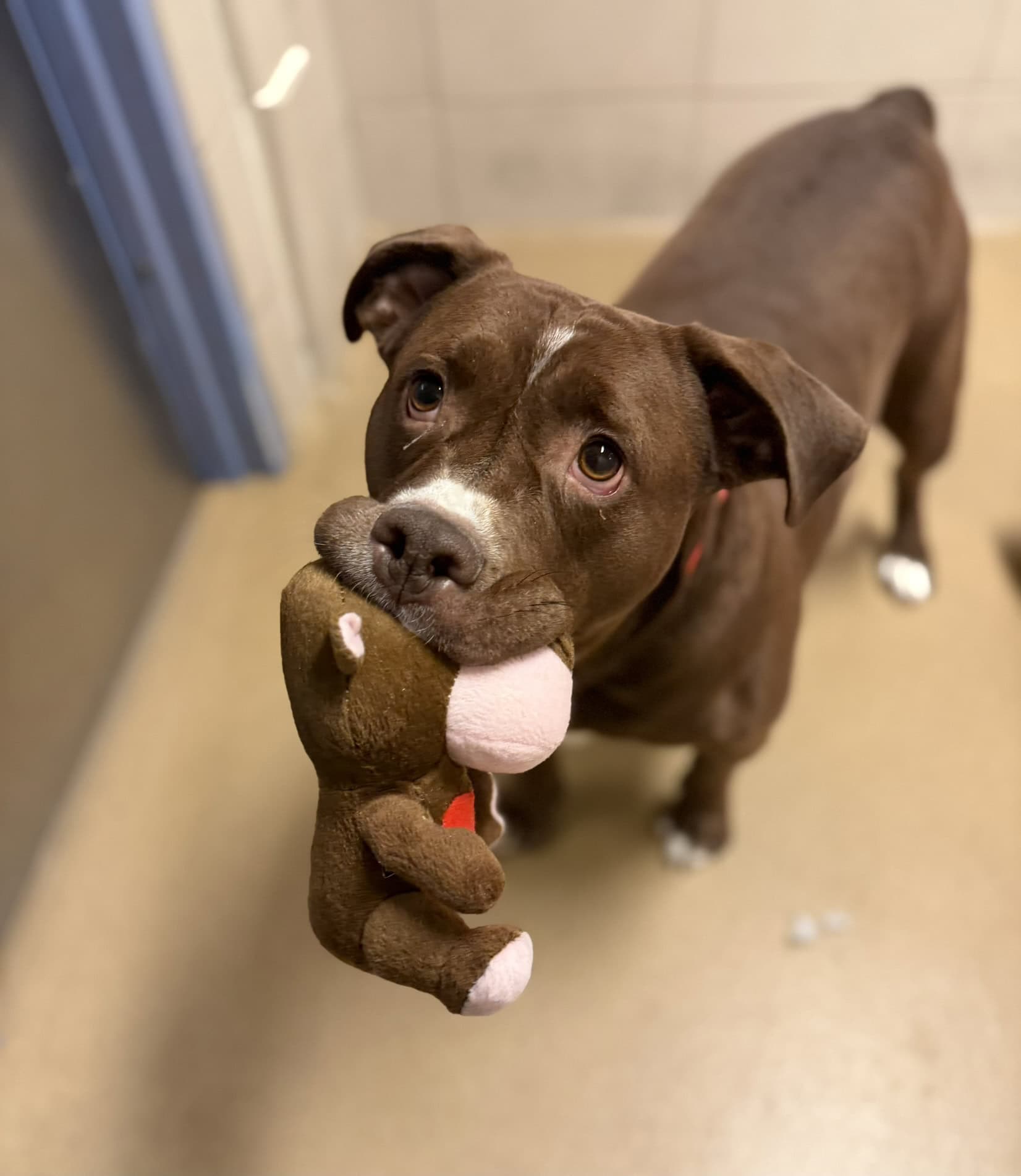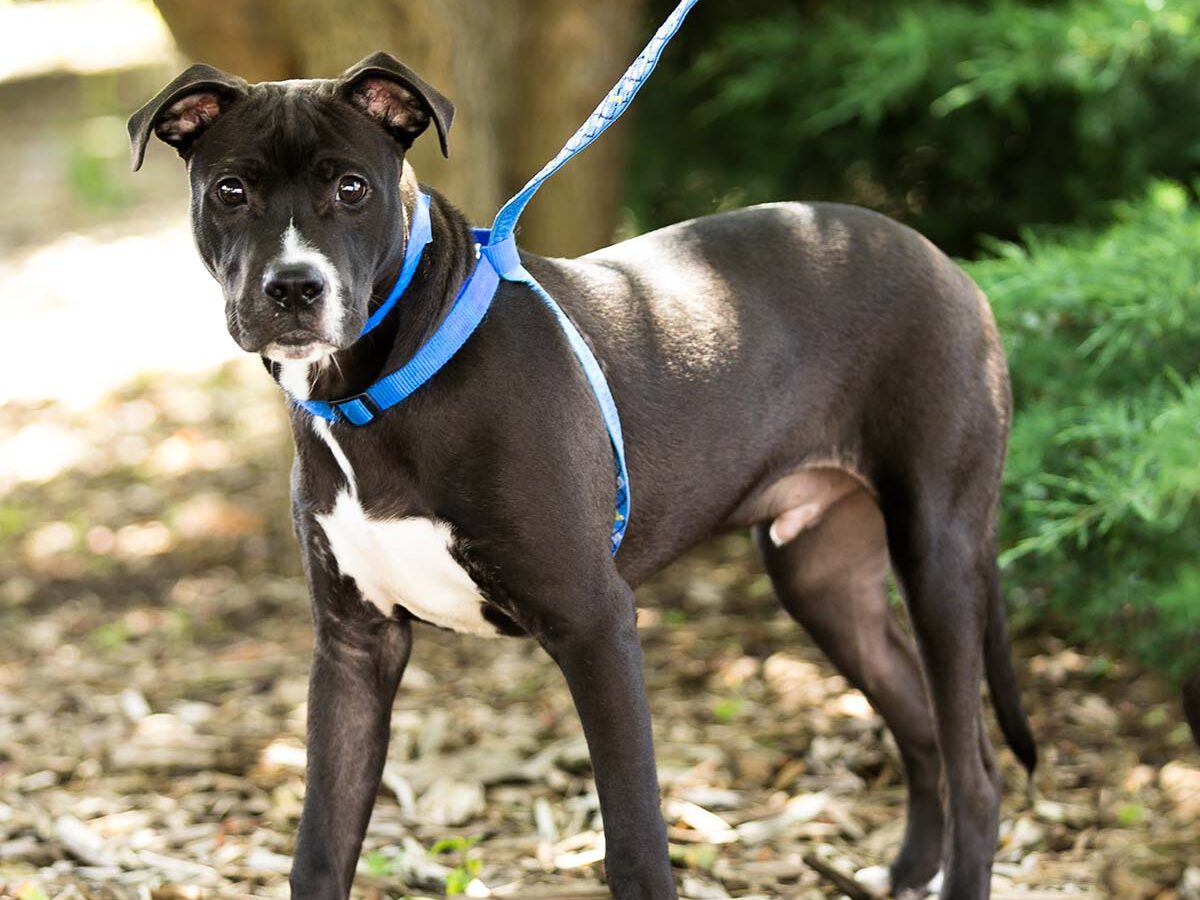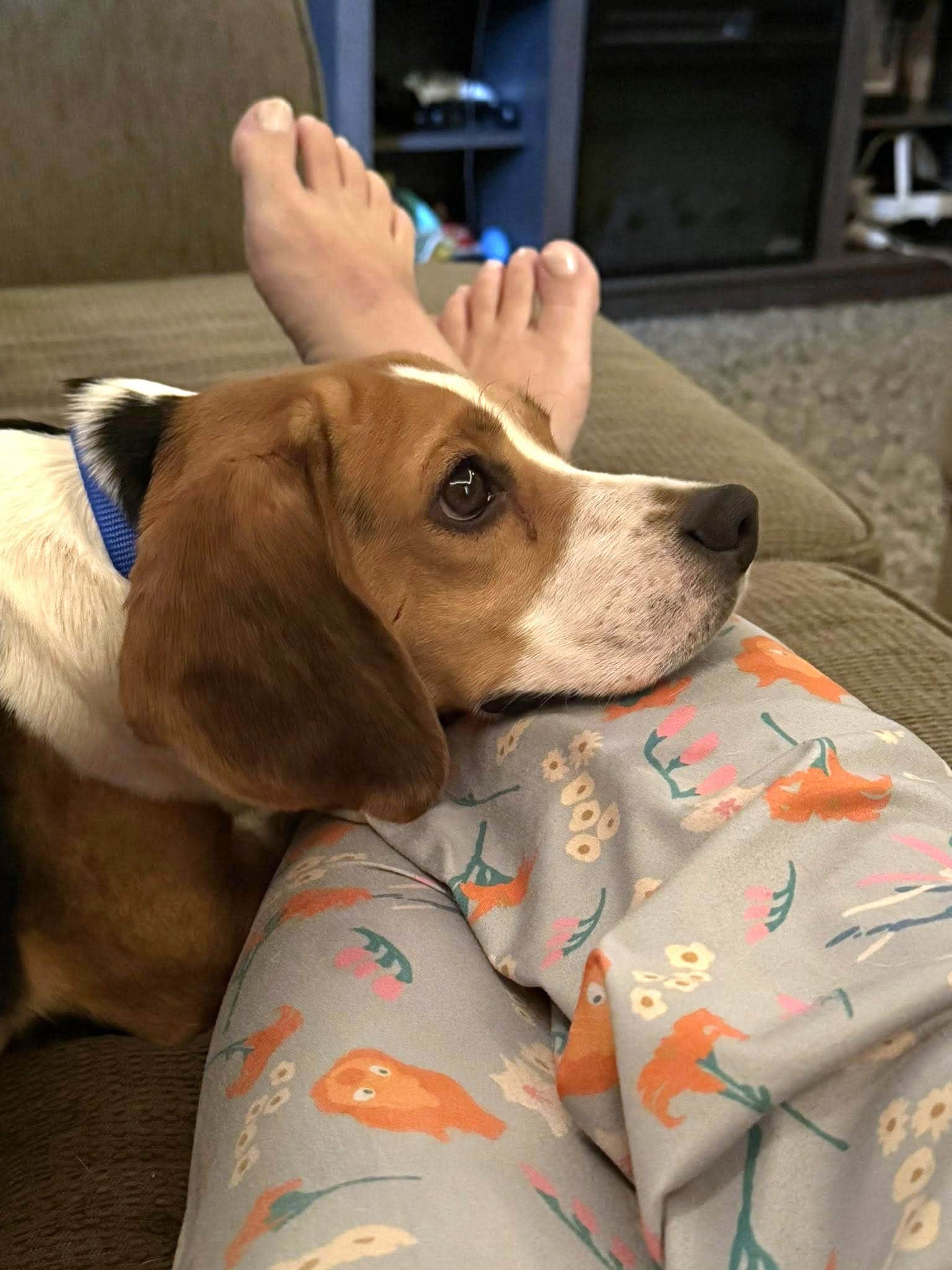
For many dogs, the slightest change in daily routines or certain negative experiences can cause stress and anxiety. Many dogs also have genetic predispositions for these behaviors. For some dogs this stress and anxiety can manifest into a full-blown panic disorder, particularly when left alone. They may urinate and defecate indoors despite being housetrained, constantly vocalize, chew and become destructive, pace or try to escape from the house or yard. When these behaviors are seen to this degree, this is what we refer to as separation anxiety.
But don’t fear—we’re here to help! When treating a dog with separation anxiety, the goal is to resolve the underlying issue by changing the way they feel when left alone. Through careful management and behavior modification we can help our dogs go from stressed and panicked, to relaxed and comfortable when left alone. This transition takes a lot of time, patience, and effort, but our behavior experts have put together a list of top tips to get you and your dog started on the road to overcoming separation anxiety.
Top Tips for Overcoming Separation Anxiety
Doctor Knows Best: The first step in tackling behavior issues is to rule out any underlying medical problems that might be causing your pet’s behavior. For example, if your pet is urinating in the house, they may be suffering from a urinary tract infection, bladder stones, diabetes, or kidney disease—all of which can cause urinary incontinence in dogs. If your dog truly does have separation anxiety, your veterinarian can also aid in prescribing pharmaceuticals that can go hand in hand with your behavior modification plan for your dog’s separation anxiety. Please don’t hesitate to get pharmaceutical help!
Conquer Fear: If your pooch suffers from separation anxiety, counter conditioning and systemic desensitization—or helping change their feelings from fear to relaxation when being left alone—might reduce or resolve the problem. To develop this kind of association, it is imperative that you suspend all absences so your dog does not need to be left alone, and begin a behavior modification plan. We strongly recommend consulting a Certified Applied Animal Behaviorist (CAAB or ACAAB), a board-certified veterinary behaviorist (Dip ACVB), a Certified Behavior Consultant (CBCC), or a Certified Separation Anxiety Trainer (CSAT) to help you build a behavior modification protocol. You can also take the online course, Mission: Possible, created by certified dog trainer Malena DeMartini that aids dog guardians in creating and working on their own behavior modification plan for their dog with separation anxiety.
Take Baby Steps: Start by getting your dog used to being alone by starting small or “desensitizing” them to the cause of their fear. Begin by introducing several short periods of separation that don’t produce anxiety, and then gradually increase time spent apart over the course of a few weeks. In the beginning this may look like you walking out the door, closing the door behind you for a few seconds, and re-entering. Do not increase duration if your dog is not relaxed! Take it at their pace, this will look different for every dog.
Prepare for Departure: Many dogs’ anxiety begins before you even leave the house. Pre-departure cues include anything that may tip-off your dog that an absence is coming. This includes picking up your keys, putting on your jacket, and even your alarm clock going off in the morning. Slowly add these pre-departure cues into your training plan one by one. This may make your departure more difficult, since you are adding a stressor, so be sure to lower other criteria. For example, if you have worked up to walking out the door, shutting the door, and returning after 20 seconds you will decrease that time if you add a pre-departure cue. You will pick up your keys, walk out the door, close the door behind you for only a few seconds, and return.
Maintain Variable Intervals: Sometimes add in pre-departure cues and sometimes don’t. If your dog is relaxed when you are gone for 3 minutes, sometimes only leave for 1 minute and return. Mix up the absences as long as your dog stays under threshold. This will keep your dog from becoming sensitive to the absences and teach them that the “game” doesn’t always get harder and harder as you move along. Vary the rate and difficulty variable and you will have much greater success.
Together We Stand: Any treatment for separation anxiety requires that your dog never experience a stressful absence. Any time a dog goes over threshold and experiences stress and anxiety caused by their trigger the training process will be slowed down or reversed because stress and anxiety inhibit learning. This means never leaving your dog alone except during training sessions. If possible, take your dog to work or arrange for a family member or dog sitter to come to your home during the day. Get creative! There are many ways to manage a plan, so your dog does not need to be left alone.
Keep it Mellow: All greetings—hellos and goodbyes—should be conducted in a very calm manner. When saying goodbye just say goodbye and leave. Similarly, when arriving home, say hello to your dog and then don’t pay any more attention to him until they are calm and relaxed. The goal is to have your dog relaxed and carefree about arrivals and departures.
Help Your Dog De-Stress: Providing lots of physical and mental stimulation is a vital part of treating many behavior problems, especially those involving anxiety. Physical and mental exercise can enrich your dog’s life, decrease stress and provide appropriate outlets for normal behavior. See Enriching Your Dog’s Life, Exercise, and Decompression Walks handouts for some ideas. *Please note: If your dog is suffering from true separation anxiety, exercise and mental enrichment will NOT solve the problem and is not sufficient management. This is just a piece of the puzzle to help your dog’s overall anxiety decrease in everyday life.
Say No to Tough Love: Anxious behaviors are not the result of disobedience or spite, so please don’t scold or punish your dog if they don’t overcome their fear quickly. Your dog is not mad at you for leaving, they are terrified of being left alone and they have no control over feeling that way. If you punish them, they may become even more anxious and the problem could get worse. Be patient, and work with your pet until they feel comfortable and relaxed when spending time alone.
Go Your Dogs Pace: The key to all of this is to let your dog’s comfort level drive the pace of your training plan! Your dog should never be left alone for longer than they can handle. Small, baby steps are key. If you think you are going too fast, SLOW DOWN!
Practice Makes Perfect: Separation anxiety takes a lot of consistent practice. This is an anxiety disorder, not a “skill” or “trick” that can be taught in a few days. You should be prepared to work on trainings multiple times a week and some improvements may be small, but they are important. It will take LOTS of practice for a dog to become comfortable when left alone and overcome that anxiety and fear, but don’t give up.
If you are seeking additional support, contact our Behavior Line at 414-431-6173 or behavior@wihumane.org
- ASPCA: Separation Anxiety
- Visit https://malenademartini.com/for-owners/separation-anxiety-in-dogs-mission-possible-online-course/ to access and purchase the online separation anxiety course for guardians. Use discount code WIHS for $50 off.
- For access to Separation Anxiety programs in conjunction with a Certified Separation Anxiety Trainer (CSAT) visit: https://malenademartini.com/for-owners/separation-anxiety-training-programs/
- List of Certified Applied Animal Behaviorist (CAAB or ACAAB): https://www.animalbehaviorsociety.org/web/applied-behavior-caab-directory.php
- To find a Board Certified Veterinary Behaviorist visit: https://www.dacvb.org/search/custom.asp?id=4709
- Visit www.forcefreewisconsin.com for a list of certified, force free trainers in your area.