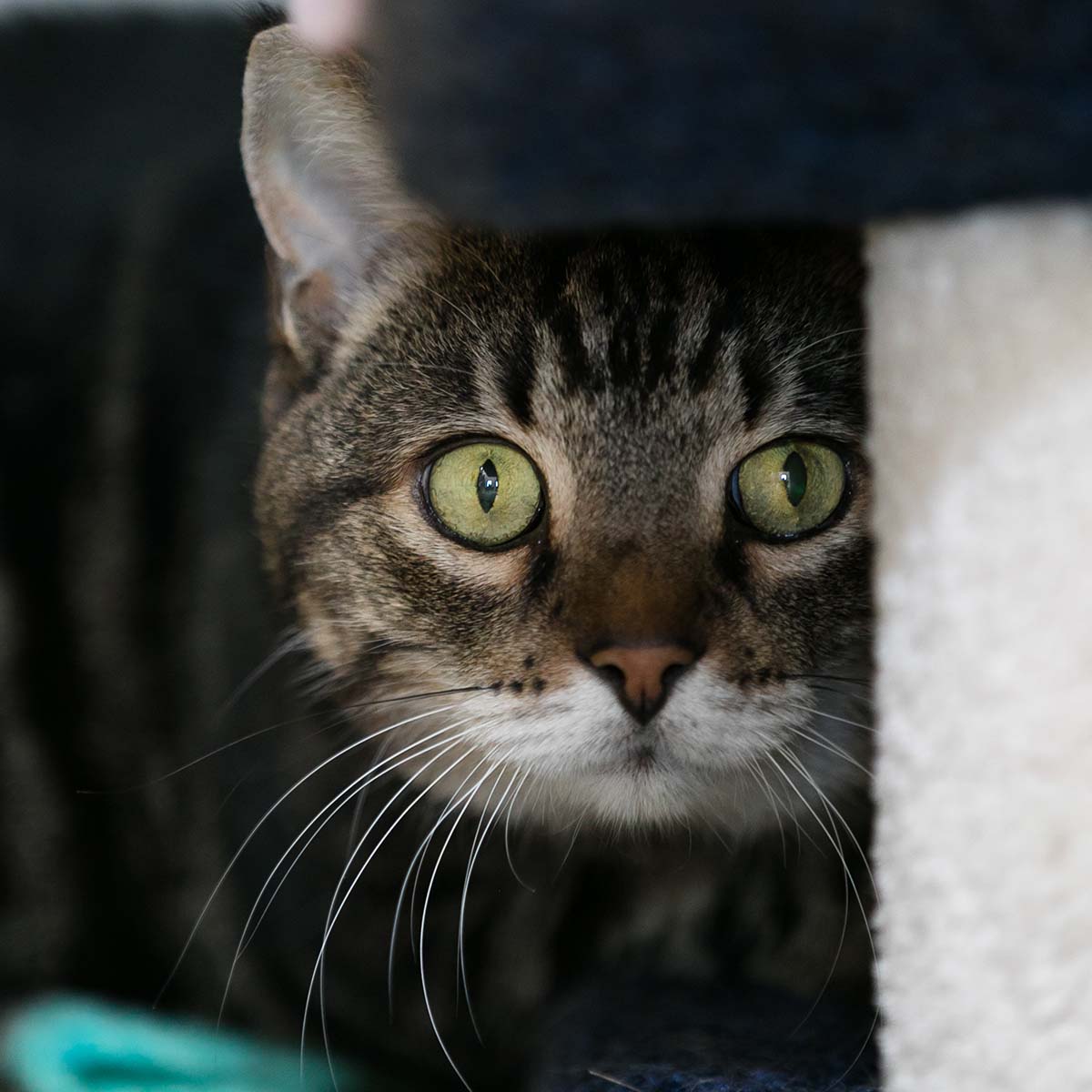
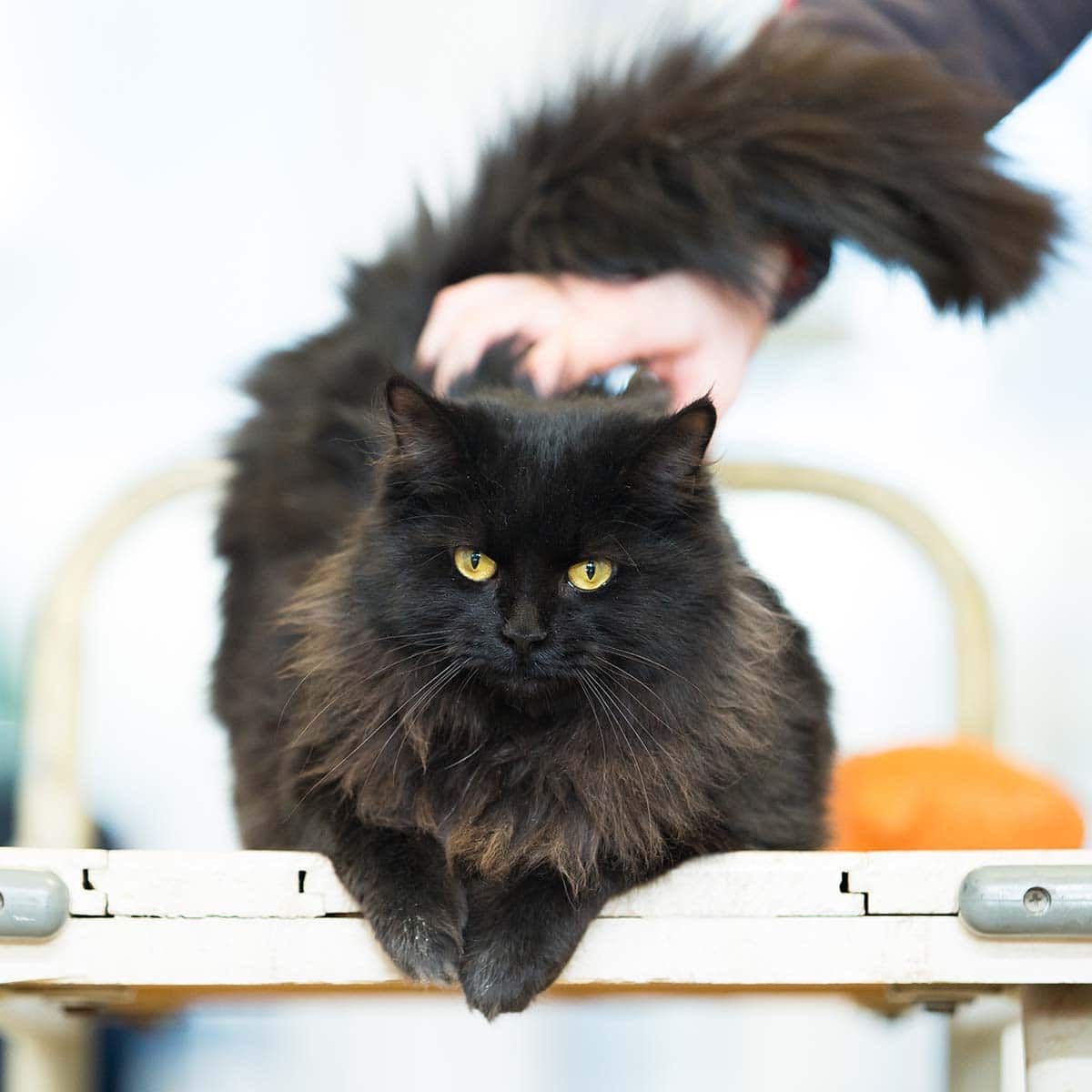
If the cat is not in danger, injured, or sick, leave the cat alone and/or put them back where they were found. A stray cat’s best chance of finding their owner is to leave them alone.
Lost cats are up to 50 times more likely to be reunited with their owners if they stay in their neighborhood than through an animal shelter. [1]
Only 3% of cats are reunited with their families through a shelter. [2]
75% of lost cats are found within 1/3 of a mile from home. [3]
Historically, “stray cats” have made up the majority of intake at shelters across the country. This can leave shelters crowded and less able to provide appropriate care for animals who do need sheltering, such as sick and injured animals, or those whose owners can no longer keep them. [4]
When should I bring a cat to a shelter?
If you find a lost cat in any of these situations, please bring them to the shelter that contracts with your municipality.
In danger
Injured or sick
Orphaned kitten(s)
WHS holds most of the municipal contracts in Kenosha, Racine, Ozaukee, Brown, Kewaunee, and Door County. In Milwaukee County, lost/stray animals go to MADACC.
[3] Huang L, Coradini M, Rand J, Morton J, Albrecht K, Wasson B, Robertson D. Search Methods Used to Locate Missing Cats and Locations Where Missing Cats Are Found. Animals (Basel). 2018 Jan 2;8(1):5. doi: 10.3390/ani8010005. PMID: 29301322; PMCID: PMC5789300. https://pmc.ncbi.nlm.nih.gov/articles/PMC5789300/
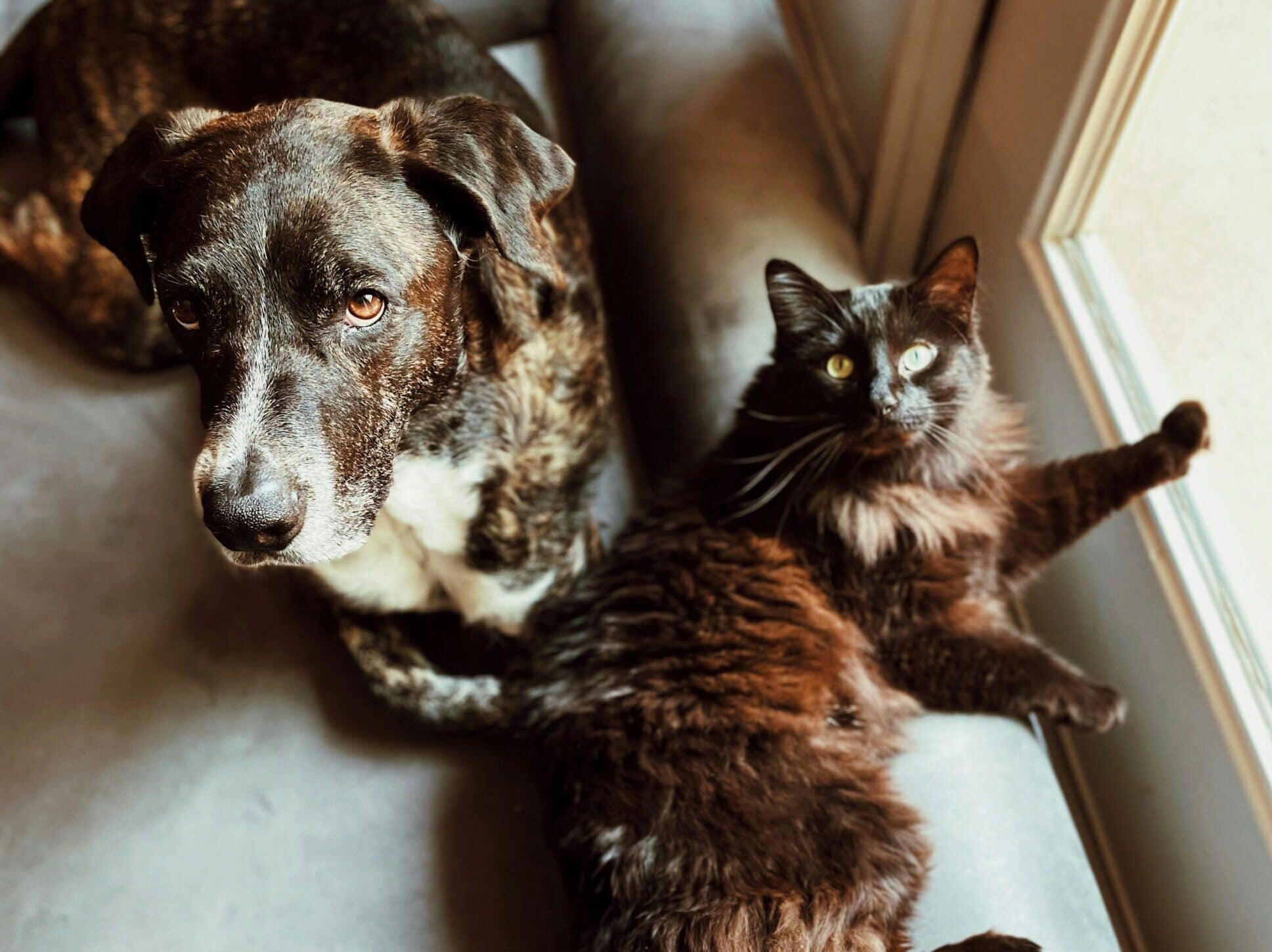
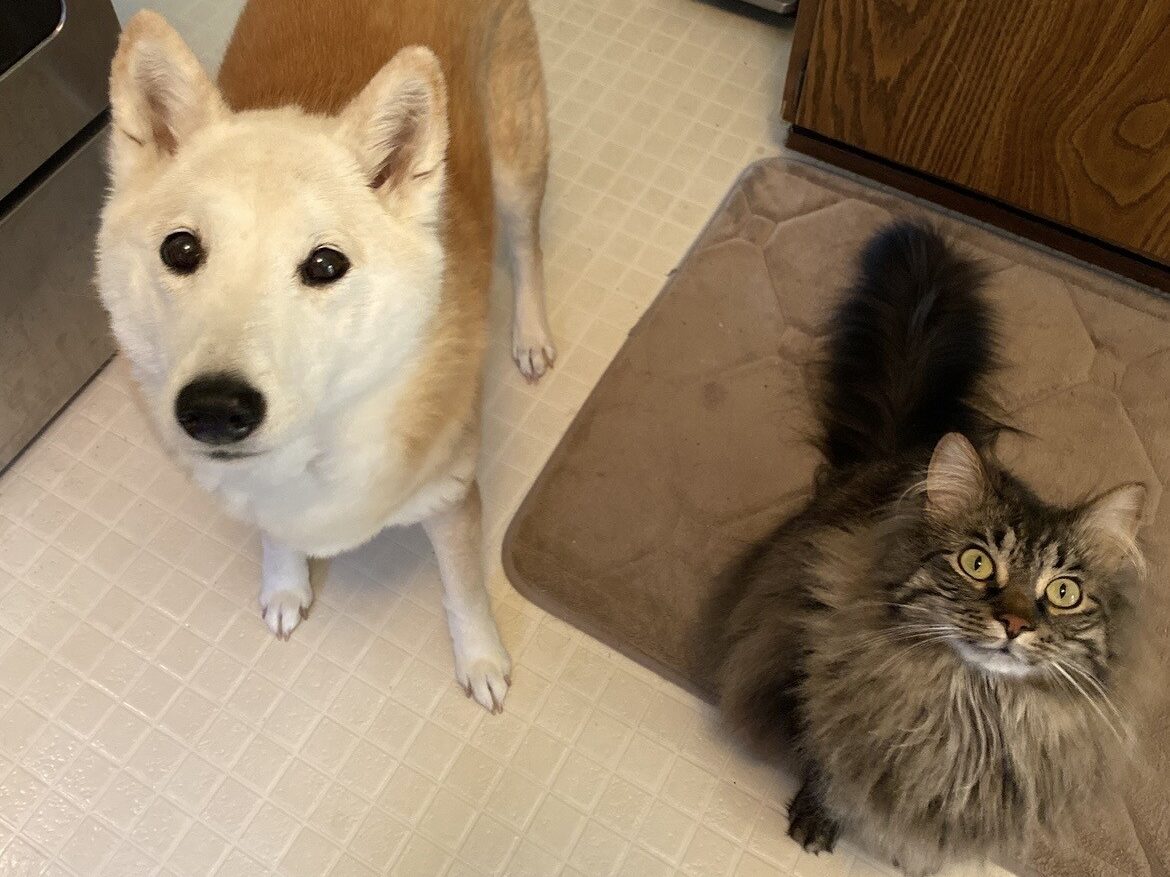
Bringing a new animal into a home when you already have pets can be exciting, but also potentially stressful on all the animals involved. Whether you are bringing home a new dog and have a resident cat or if you are bringing home a new cat and have a resident dog, it is important to take precautions and perform slow introductions. There are many cats and dogs who live successfully together in homes, but some cats and dogs are unable to coexist successfully due to their individual personalities and dispositions. Unfortunately, dogs and cats can cause significant damage to one another if introductions go wrong, so it’s crucial to do some advanced planning and preparation before they meet.
Even if the animals have lived with other species and done well in the past, proceed with caution; just like with humans, every individual pairing is different and compatibility will vary. It is always best to have two people present during introductions. If you have more than one cat or dog, be sure to introduce them each to the new pet separately.
Finding a Good Match
The first thing that will be important is finding a good match for your resident pet. If you are looking at adding a dog to your home and already have a cat, it may be easier to bring home a younger dog versus an older one, or adopting a dog who has a history of living successfully with other animals. If you want a dog who will be trustworthy around small animals (such as gerbils, guinea pigs, or rabbits), you’re generally better off starting with a puppy and raising them to know appropriate behavior around these species. It is much more challenging to change inappropriate behaviors and associations in an adult dog than it is to create appropriate ones in a young dog.
If you have a dog who obsessively barks, growls, lunges, attempts to chase, pin, pick up, or bite at cats, we recommend they live in a cat-free home. If you still decide to bring a cat into your home, you will need to have a management plan in place and proceed with extreme caution. It will also be important that you work one on one with a certified, force-free trainer to ensure everyone’s safety. Likewise, if you have a cat who growls, swats, runs from, or hides from dogs, even after a slow introduction, consider if your cat will really enjoy living with a dog or if it will just increase their stress, which may in turn cause other behavior issues or increase the severity of existing ones.
If you have a dog who loves to play by chasing things, including small animals, a shy cat who runs away or an energetic cat who runs and pounces may not be the best fit. These cats may trigger the dog to chase, which can lead to escalation of the behavior and potential injuries. A better match for this type of dog would be a calm, confident cat who will not run in fear or play.
For homes with elderly or anxious resident pets, it would be best to match them up with a laid-back, calm animal. Energetic and rambunctious pets may bother, hurt, or frighten the other pet. They can also cause more stress, which can also affect an animal’s health and well-being.
Management
The first step in the introduction process is management – this means setting up the environment to prevent a certain behavior or interaction before it starts, avoiding situations where either animal is able to do something you don’t want. Good management requires barriers, such as doors and/or baby gates, crates or pens, leashes, and supervision. If you have children who may forget to close doors and gates, or animals who know how to open doors or jump over gates, you will need to be sure to add extra management such as self-closing springs, child-proof latches, or locks. You can also look into acquiring extra tall gates or stacking two existing gates on top of each other vertically. Consider the make-up of the gate itself, as well – gates with cross-hatching grid patterns can become easy climbing walls for small paws, while gates with closely aligned vertical bars are much harder for pets to scale. Having a foolproof management plan will be important. Management will not only keep your pets separated safely during the initial introduction period, but it can also prevent the dog from going into a full chase sequence. Chasing is extremely rewarding to the canine brain and if they get a taste of it initially, they will be more likely to do it again. A dog’s desire to chase something that moves is an innate, hardwired behavior, meaning it does not have to be learned. There are some dogs who are bred for this and therefore have a stronger genetic propensity to practice the behavior. If you have a dog who obsesses over the closed door that a cat is behind, you will need to increase management to keep them far away enough from the door. This might require extra gates blocking off access to hallways leading to the room the cat is in. Cats should also always have high-up places to escape to if needed. Be sure to set up plenty of spots for your cat to retreat to or jump up to where the dog cannot reach them. This cat be a taller cat tree or just strategically arranged furniture that allows the cat to jump, for example, from a couch to a mantel, or a chair back to a ledge.
Getting Started
Confinement It will be important that both pets are kept separate initially. Depending on the individual animals, plan to have them separate for 3-4 days. Confine your new pet in a safe room with the door closed or on a separate floor of the house. This room should provide all essential items for your new pet, like food, water, toys, a litter box (if applicable), and a bed/crate. All essential information for setting your new pet up in your home can be found in our resources on setting your cat up for success and setting your dog up for success. Do not move on to the next step of the introduction process until your new pet is displaying relaxed body language in their safe space.
Swap scents Get both pets used to each other’s scent. Put down an old t-shirt or towel where your pets sleep for them to lay on. Once their scent is on these items, swap the items and put them in the other pet’s area. Do not set the scented items on the other animal’s sleeping place, simply put it somewhere in the open for the other pet to investigate on their own time. Once both animals are completely comfortable with each other’s scent, you can move to the next step. Remember, the key is to go slow and proceed with caution.
Structured introductions After your new animal has decompressed and your resident animal has adjusted to the new change, you can begin initial introductions. The key is to go slow, especially if you do not know how either pet will do with the other species. Initial introductions should be done at a distance and focused on creating positive associations with each other. This means that your pets should not come nose-to-nose right away, and neither of the animals should be let loose into the room with the other one. These introductions may need to be adjusted to better fit what you can execute in your home. Two people will most likely be needed (and is highly recommended) in a majority of cases in order to keep everyone safe and as stress-free as possible. Here are a couple of scenarios that could be executed:
— Create distance between the two animals by having your cat on one side of a gate and having your dog leashed on the other side. Both animals should be at a distance where they are aware of each other but are not reacting or showing signs of stress by barking, whining, becoming hyper-focused, hissing, spitting, or trying to escape. While both animals are relaxed but aware of each other, begin to feed a steady stream of high-value treats to each of them (this is partly why it’s ideal to have two people involved, so each animal has one human’s full attention). These sessions should be kept short and sweet; after a few minutes, either someone should leave the area with the cat or the dog so they can no longer see each other. As soon as they are no longer in eyesight of each other, the stream of food should stop. If at any point either animal stops eating the food, stop the interaction and try again later with increased distance between the two. Repeat this process several times and give both animals a break between sessions. Over time, you can slowly decrease the distance between the two animals as long are they are both showing relaxed body language and taking the treats. The food is not a distraction, but rather a way to change your pet’s response to one another and build positive associations. For example, instead of thinking “I need to chase,” your dog will start to see the cat and think “I get rewarded!”
— If you do not have the option to separate the animals using a gate, you can have the cat in a room where they are safely perched on top of a cat tree or other tall surface. Enter the room with the dog on leash (do not close the door) and keep the distance between the two animals as far away as possible. Feed both animals a steady stream of high-value treats. If the cat panics and tries to run, do not force them to stay. They are letting you know they are not ready for this step or this close of an interaction. Quickly get the dog’s attention with a handful of treats, move away from the running cat if possible, and continue to distract them. If the dog is so excited that they refuse high-value treats (ex. cooked chicken, hot dogs, meatballs, etc.), they are also not ready for this step.
— If both of these steps are too overwhelming for either of the animals, you can take it a step back and focus on rewarding the cat or dog for moments when they calmly acknowledge the presence of the other. For example, if the dog is in the room with you and hears the cat vocalize or make noise from the other room, immediately offer a high value treat. It is ideal that you are able to give the treat before the dog gets up and goes searching for the source of the noise. Feed multiple treats to keep their attention on you and away from the cat. You are teaching the dog that the presence of the cat means good things (treats) and paying more attention to you – even when the cat is nearby – is more rewarding. You can do the same for a cat that may hiss, growl, or attempt to hide when they hear the dog from another room or from behind a door. You can also attempt to feed both animals their meals or a stream of high-value treats while they are on opposite sides of a closed door. Keep in mind that having the animals this close, even with a door in between, may cause either pet to go over their threshold of tolerance. If this is the case and either pet is showing signs of stress, not eating, or hyper-focused, you should not proceed using this specific method.
Managed interactions Once both animals can be near each other in close proximity with no signs of stress, frustration, or increased arousal, you can begin to ease into regular, relaxed routines with the two animals in the same room. In regard to dogs who may have been initially overly interested in the cat, this step can be taken once the dog begins to offer attention to you instead of the cat when the cat is present. It is important to still use as much management as necessary to prevent a dog from being able to chase the cat. You can do this by having the dog drag a leash or tethering the dog to a sturdy piece of furniture near you, offering enrichment like a stuffed Kong (as long as your dog does not have a history of resource guarding and the cat is not likely to confidently approach the dog while engaging in the item). Remember, you don’t want to give your dog the opportunity to chase or rush up to the cat, as the more often they get to practice that behavior, the more desirable and rewarding it becomes.
Once you begin to feel confident in your pets’ behavior around each other, you can reduce the amount of physical management like leashes and tethers. Continue to reward both pets for good choices and immediately interrupt any interactions that may lead to high-intensity chases, increased stress, or aggression. If you have a cat who is pestering the dog and the dog is uninterested in interacting, interrupt the interaction as you would with a dog by engaging the cat with a play session or other interactive toys. It is important that the cat always has access to high places, an escape route to exit the room if needed, and a dog-proof sanctuary at all times. Be prepared to manage your pets’ interactions for several weeks, if not longer. Even if things continue to go smoothly, remember that pets should not be left alone together if you are not there to supervise.
Fighting Like Cats and Dogs?
If introductions don’t go smoothly, you can contact a certified, force-free trainer for an in-home behavior consultation to help you work through a more personalized introduction process or behavior modification plan. Animals can be injured in fights, and the longer the problem continues, the harder it can be to resolve. It is possible for conflicts between pets in the same family to be resolved over time with professional help. As always, punishment to either animal should be avoided, as it can make matters worse. It is important to remember that all animals are unique with their own personalities, behavior quirks, and histories. Some introduction processes can take weeks or even months depending on the animals. It’s also important to acknowledge that not all animals are compatible with one another and some are unable to live with other pets, especially of a different species.
By following the steps detailed above, staying persistent and diligent with your training sessions, and giving both animals plenty of grace and patience, you’re setting everyone in the home up for the best chance at success and most families will see great results!
Bringing a new animal into a home when you already have pets can be exciting, but also potentially stressful on all the animals involved. Whether you are bringing home a new dog and have a resident cat or if you are bringing home a new cat and have a resident dog, it is important to take precautions and perform slow introductions. There are many cats and dogs who live successfully together in homes, but some cats and dogs are unable to coexist successfully due to their individual personalities and dispositions. Unfortunately, dogs and cats can cause significant damage to one another if introductions go wrong, so it’s crucial to do some advanced planning and preparation before they meet.
Even if the animals have lived with other species and done well in the past, proceed with caution; just like with humans, every individual pairing is different and compatibility will vary. It is always best to have two people present during introductions. If you have more than one cat or dog, be sure to introduce them each to the new pet separately.
Finding a Good Match
The first thing that will be important is finding a good match for your resident pet. If you are looking at adding a dog to your home and already have a cat, it may be easier to bring home a younger dog versus an older one, or adopting a dog who has a history of living successfully with other animals. If you want a dog who will be trustworthy around small animals (such as gerbils, guinea pigs, or rabbits), you’re generally better off starting with a puppy and raising them to know appropriate behavior around these species. It is much more challenging to change inappropriate behaviors and associations in an adult dog than it is to create appropriate ones in a young dog.
If you have a dog who obsessively barks, growls, lunges, attempts to chase, pin, pick up, or bite at cats, we recommend they live in a cat-free home. If you still decide to bring a cat into your home, you will need to have a management plan in place and proceed with extreme caution. It will also be important that you work one on one with a certified, force-free trainer to ensure everyone’s safety. Likewise, if you have a cat who growls, swats, runs from, or hides from dogs, even after a slow introduction, consider if your cat will really enjoy living with a dog or if it will just increase their stress, which may in turn cause other behavior issues or increase the severity of existing ones.
If you have a dog who loves to play by chasing things, including small animals, a shy cat who runs away or an energetic cat who runs and pounces may not be the best fit. These cats may trigger the dog to chase, which can lead to escalation of the behavior and potential injuries. A better match for this type of dog would be a calm, confident cat who will not run in fear or play.
For homes with elderly or anxious resident pets, it would be best to match them up with a laid-back, calm animal. Energetic and rambunctious pets may bother, hurt, or frighten the other pet. They can also cause more stress, which can also affect an animal’s health and well-being.
Management
The first step in the introduction process is management – this means setting up the environment to prevent a certain behavior or interaction before it starts, and avoiding situations where either animal is able to do something you don’t want. Good management requires barriers, such as doors and/or baby gates, crates or pens, leashes, and supervision. If you have children who may forget to close doors and gates, or animals who know how to open doors or jump over gates, you will need to be sure to add extra management such as self-closing springs, child-proof latches, or locks. You can also look into acquiring extra tall gates or stacking two existing gates on top of each other vertically. Consider the make-up of the gate itself, as well – gates with cross-hatching grid patterns can become easy climbing walls for small paws, while gates with closely aligned vertical bars are much harder for pets to scale. Having a foolproof management plan will be important.
Management will not only keep your pets separated safely during the initial introduction period, but it can also prevent the dog from going into a full chase sequence. Chasing is extremely rewarding to the canine brain and if they get a taste of it initially, they will be more likely to do it again. A dog’s desire to chase something that moves is an innate, hardwired behavior, meaning it does not have to be learned. There are some dogs who are bred for this and therefore have a stronger genetic propensity to practice the behavior.
If you have a dog who obsesses over the closed door that a cat is behind, you will need to increase management to keep them far away enough from the door. This might require extra gates blocking off access to hallways leading to the room the cat is in.
Cats should also always have high-up places to escape to if needed. Be sure to set up plenty of spots for your cat to retreat to or jump up to where the dog cannot reach them. This cat be a taller cat tree or just strategically arranged furniture that allows the cat to jump, for example, from a couch to a mantel, or a chair back to a ledge.
Getting Started
Confinement It will be important that both pets are kept separate initially. Depending on the individual animals, plan to have them separate for 3-4 days. Confine your new pet in a safe room with the door closed or on a separate floor of the house. This room should provide all essential items for your new pet, like food, water, toys, a litter box (if applicable), and a bed/crate. All essential information for setting your new pet up in your home can be found in our resources on setting your cat up for success and setting your dog up for success. Do not move on to the next step of the introduction process until your new pet is displaying relaxed body language in their safe space.
Swap scents Get both pets used to each other’s scent. Put down an old t-shirt or towel where your pets sleep for them to lay on. Once their scent is on these items, swap the items and put them in the other pet’s area. Do not set the scented items on the other animal’s sleeping place, simply put it somewhere in the open for the other pet to investigate on their own time. Once both animals are completely comfortable with each other’s scent, you can move to the next step. Remember, the key is to go slow and proceed with caution.
Structured introductions After your new animal has decompressed and your resident animal has adjusted to the new change, you can begin initial introductions. The key is to go slow, especially if you do not know how either pet will do with the other species. Initial introductions should be done at a distance and focused on creating positive associations with each other. This means that your pets should not come nose-to-nose right away, and neither of the animals should be let loose into the room with the other one. These introductions may need to be adjusted to better fit what you can execute in your home. Two people will most likely be needed (and is highly recommended) in a majority of cases in order to keep everyone safe and as stress-free as possible. Here are a couple of scenarios that could be executed:
– Create distance between the two animals by having your cat on one side of a gate and having your dog leashed on the other side. Both animals should be at a distance where they are aware of each other but are not reacting or showing signs of stress by barking, whining, becoming hyper-focused, hissing, spitting, or trying to escape. While both animals are relaxed but aware of each other, begin to feed a steady stream of high-value treats to each of them (this is partly why it’s ideal to have two people involved, so each animal has one human’s full attention). These sessions should be kept short and sweet; after a few minutes, either someone should leave the area with the cat or the dog so they can no longer see each other. As soon as they are no longer in eyesight of each other, the stream of food should stop. If at any point either animal stops eating the food, stop the interaction and try again later with increased distance between the two. Repeat this process several times and give both animals a break between sessions.
Over time, you can slowly decrease the distance between the two animals as long are they are both showing relaxed body language and taking the treats. The food is not a distraction, but rather a way to change your pet’s response to one another and build positive associations. For example, instead of thinking “I need to chase,” your dog will start to see the cat and think “I get rewarded!”
– If you do not have the option to separate the animals using a gate, you can have the cat in a room where they are safely perched on top of a cat tree or other tall surface. Enter the room with the dog on leash (do not close the door) and keep the distance between the two animals as far away as possible. Feed both animals a steady stream of high-value treats. If the cat panics and tries to run, do not force them to stay. They are letting you know they are not ready for this step or this close of an interaction. Quickly get the dog’s attention with a handful of treats, move away from the running cat if possible, and continue to distract them. If the dog is so excited that they refuse high-value treats (ex. cooked chicken, hot dogs, meatballs, etc.), they are also not ready for this step.
— If both of these steps are too overwhelming for either of the animals, you can take it a step back and focus on rewarding the cat or dog for moments when they calmly acknowledge the presence of the other. For example, if the dog is in the room with you and hears the cat vocalize or make noise from the other room, immediately offer a high value treat. It is ideal that you are able to give the treat before the dog gets up and goes searching for the source of the noise. Feed multiple treats to keep their attention on you and away from the cat. You are teaching the dog that the presence of the cat means good things (treats) and paying more attention to you – even when the cat is nearby – is more rewarding. You can do the same for a cat that may hiss, growl, or attempt to hide when they hear the dog from another room or from behind a door. You can also attempt to feed both animals their meals or a stream of high-value treats while they are on opposite sides of a closed door. Keep in mind that having the animals this close, even with a door in between, may cause either pet to go over their threshold of tolerance. If this is the case and either pet is showing signs of stress, not eating, or hyper-focused, you should not proceed using this specific method.
Managed interactions Once both animals can be near each other in close proximity with no signs of stress, frustration, or increased arousal, you can begin to ease into regular, relaxed routines with the two animals in the same room. In regard to dogs who may have been initially overly interested in the cat, this step can be taken once the dog begins to offer attention to you instead of the cat when the cat is present. It is important to still use as much management as necessary to prevent a dog from being able to chase the cat. You can do this by having the dog drag a leash or tethering the dog to a sturdy piece of furniture near you, offering enrichment like a stuffed Kong (as long as your dog does not have a history of resource guarding and the cat is not likely to confidently approach the dog while engaging in the item). Remember, you don’t want to give your dog the opportunity to chase or rush up to the cat, as the more often they get to practice that behavior, the more desirable and rewarding it becomes.
Once you begin to feel confident in your pets’ behavior around each other, you can reduce the amount of physical management like leashes and tethers. Continue to reward both pets for good choices and immediately interrupt any interactions that may lead to high-intensity chases, increased stress, or aggression. If you have a cat who is pestering the dog and the dog is uninterested in interacting, interrupt the interaction as you would with a dog by engaging the cat with a play session or other interactive toys. It is important that the cat always has access to high places, an escape route to exit the room if needed, and a dog-proof sanctuary at all times. Be prepared to manage your pets’ interactions for several weeks, if not longer. Even if things continue to go smoothly, remember that pets should not be left alone together if you are not there to supervise.
Fighting Like Cats and Dogs?
If introductions don’t go smoothly, you can contact a certified, force-free trainer for an in-home behavior consultation to help you work through a more personalized introduction process or behavior modification plan. Animals can be injured in fights, and the longer the problem continues, the harder it can be to resolve. It is possible for conflicts between pets in the same family to be resolved over time with professional help. As always, punishment to either animal should be avoided, as it can make matters worse. It is important to remember that all animals are unique with their own personalities, behavior quirks, and histories. Some introduction processes can take weeks or even months depending on the animals. It’s also important to acknowledge that not all animals are compatible with one another and some are unable to live with other pets, especially of a different species.
By following the steps detailed above, staying persistent and diligent with your training sessions, and giving both animals plenty of grace and patience, you’re setting everyone in the home up for the best chance at success and most families will see great results!
If you have additional questions, please contact the Wisconsin Humane Society Behavior Department at behavior@wihumane.org or 414-461-6173.
Adapted from the American Animal Hospital Association
As a pet owner, you want to keep your furry friend safe and healthy, but their curious nature can occasionally get them into trouble. Animals investigate the world with their mouths, and they can ingest poisonous substances accidentally.
Pets and Medications
Even medication that does not require a prescription can be extremely dangerous to your pet. Nonsteroidal anti-inflammatories such as ibuprofen and naproxen can cause acute kidney failure and should never be given to pets. Do not try to treat a pet’s medical problem at home without consulting a veterinarian, and never give them medication that is not approved for veterinary use.
Prescription animal medications often are flavored to increase palatability, so pets may mistake them for treats and eat more than prescribed. Inquisitive pets may even eat pills that aren’t flavored, so keep all medications out of reach. Remember, animals can chew through plastic bottles, so child-proof may not mean pet-proof.
What foods are toxic to pets?
Many foods that are safe for people can be deadly to pets and this is not a comprehensive list. Keep the following toxic/dangerous foods away from your dog:
Avocado seed
Alcohol
Caffeinated drinks
Cooked bones
Chocolate
Garlic
Grapes and raisins
Macadamia nuts
Onions
Raw yeast dough
Xylitol (often found in sugar-free gum and some peanut butter)
Never leave food where your pet can reach it, and keep pets out of the kitchen when children are eating to prevent them from gobbling up dropped morsels.
What other household items are dangerous to my pet?
Products such as paint, glue, and cleaning chemicals often are left out on the assumption that pets won’t eat these bad-smelling/bad-tasting substances, but it’s not worth the risk. Some pets lap up liquids because they have an interesting texture or feel good on the tongue. Household products can contain dangerous chemicals and some glues expand in the stomach, causing a life-threatening blockage.
Ant baits, bug sprays, and foggers can also be poisonous to your pet. Read labels to ensure proper use of these products and prevent pets from exposure during and after use. Store all insecticides on high shelves out of a pet’s reach.
Products designed to kill rodents are particularly dangerous to pets, as they may be tempted to eat the tasty bricks, granules, or pellets left out for mice and rats. Rodenticides kill rodents by causing internal bleeding, high calcium levels, brain swelling, or toxic gas production. Never put rat bait out where your pet can find it and keep your pet confined to your yard to prevent him from eating your neighbors’ rodenticides. Find safe, humane solutions to wildlife conflicts.
Plants Toxic to Pets
Plants found in flower beds, vegetable gardens, and indoor planters or arrangements can be toxic to pets. Cats – who particularly like to munch on greenery – are sensitive to many plant types, but dogs can also be at risk. A complete list of toxic and non-toxic plants can be found on ASPCA’s website, but the most common toxic plants include:
Aloe
Autumn crocus
Azalea
Begonia
Boxwood
Burning Bush
Creeping Charlie
Cyclamen
Daffodils
Hyacinth
Hosta
Hydrangeas
Kalanchoe
Lily of the Valley
Lilies
Oleander
Sage palm
Tulips
If your pet eats leaves, flowers, or stems, immediately take them and a plant sample to your veterinarian. Although toxicity signs may not be apparent, it is vital to remove poisonous material as soon as possible to prevent toxin absorption in the body.
Many products used on lawns, gardens, and flower beds can cause toxicity in pets. Fertilizers made from bone or blood meal are tempting to pets and can cause pancreatitis if ingested, or can clump in the intestines or stomach, causing a blockage. Other fertilizers and herbicides applied to lawns also may contain toxic chemicals.
The American Society for the Prevention of Cruelty to Animals (ASPCA) Animal Poison Control Center is open 24 hours a day, 365 days a year, to advise pet owners about potential pet toxicities. If you think your pet may have ingested a potentially poisonous substance, call (888) 426-4435. A consultation fee may apply.
A fearful kitten is generally one that has not received a lot of socialization or interaction with people. If a kitten does not have much contact with people during the prime socialization window (between the ages of 2 weeks and 7 weeks), they are likely to be fearful and uncomfortable with new environments, stimuli, and people. Depending on the individual temperament of the kitten, what they have observed from their mother, and how old they are, the kitten may hiss, spit, swat, or attempt to run away. Some fearful kittens learn to trust people quickly, while others can take longer, but they make wonderful companions once provided with the patience, love, and reinforcement they need to truly blossom.
Setting Your Fearful Kitten Up for Success
Set up a large dog crate in a small room, ideally a bathroom or empty room. This will give them a safe, quiet space while preventing them from darting out the door when you enter or hiding in an unsafe or hard-to-reach location. The crate should be large enough to have their food, water, litter box, a few toys, and a hiding spot where they can be out of view. The hiding space inside the crate could be the carrier you brought the kitten home in, a cat den, a cardboard box, a paper bag, or even a towel clipped diagonally across a corner to create a curtain for them to get behind. This hiding spot will be a safe place for the kitten to avoid interaction and decompress. If you place their carrier in the crate, make sure the carrier door will stay open (you may need to zip tie the door open so it doesn’t swing shut, or you can remove the door completely, if possible). Draping a towel/blanket over the sides of the hiding space can make it cozy and add privacy for your fearful kitten. Even though it is recommended to start the process in a large dog crate, it will be important to kitten-proof the room they are in. If they escape the crate, you want to ensure they will still be safe. You do not want them to be able to crawl under doorways, into furniture or vents, or anywhere that is unsafe or difficult to get them out.
Bringing Home a Fearful Kitten
Kittens respond to consistent positive experiences. You will want to visit them several times a day, keeping sessions short and predictable. Keeping socialization sessions at the same times each day will create a routine that kittens can predict so they can prepare and cope with stress.
Give fearful kittens an initial adjustment period after bringing them home before you begin handling them. These first 24-48 hours will allow them to decompress and adjust to their new environment. During this period, you can refill dry and canned food bowls, refresh water, and clean litter boxes, moving slowly and speaking softly. Do not try to interact with the kitten at this time.
Food will be key to socialization. Providing kittens with food creates an incentive to interact with you and forms a positive association between humans and tasty treats. Be sure to give the kitten access to dry food and water at all times. Each time you visit the room, you can feed small amounts of canned food, staying quietly present from a distance while the kittens eat it. If they’re too scared to eat it while you are there, the act of leaving the food in the kennel will begin to build that positive association.
If they look at you, you can offer slow blinks, indicating in “cat speak” that you mean no harm. Spend time in the room reading a book, watching a tv show, playing games on your phone, etc. The kitten will begin to positively associate you with the food, treats, and respectful interactions. When you are not present in room, leave a TV or radio on at a low volume to help them adjust to human voices and sounds.
Petting and Handling a Fearful Kitten
After the short decompression period, the kittens will most likely still be fearful, but you have already started building trust. Continue to offer canned food each time you come to visit the kennel. You can track your kitten’s progress by where they choose to eat the canned food. Will they only eat the food when you are not present, a couple minutes after you set it down, or immediately after you place food in crate? Over time, as the kitten’s comfort level increases, you can gradually move the food plate closer to you while you sit in the room, until the plate is in your lap and the kittens are comfortable crawling on you to get to it.
Once they are comfortable approaching you at mealtimes, you should pet and handle the kittens for the first time while they are eating so they have an incentive to stay put. If they don’t seem comfortable at first, you can pet them with a paintbrush or toothbrush to create extra distance between the two of you for added comfort. Start petting around the face, chin, and behind the ears, then work up to petting all over. If it is too much for them, stop interacting and end the session on a positive note with an extra treat. If the kitten is accepting the petting with a paint or toothbrush, you can slowly begin gentle petting with your hand. Continue to reward them with canned food or even chicken-flavored baby food. As the kittens become increasingly comfortable, you can look for more relaxed body language, such as their ears no longer being pinned back, their tail moving away from the body instead of wrapped, and slow blinks of their eyes.
Gradually work up to holding them
If you have more than one kitten, picking up and spending time with each kitten individually will be an important step for their socialization with people. When initially picking up your fearful kitten, you will not want to use your bare hands. A fearful kitten may hiss, swat, struggle to escape, or try to bite when picked up. This puts you at risk of being scratched or bitten, which can be extremely painful for you and traumatic for the kitten. Instead, you can use a thick towel or blanket to create a barrier between your hand and a kitten’s sharp claws or teeth. Do not scruff the kitten, as this can be scary and it removes the kitten’s choices, putting them in a stressful state.
You can gently place the blanket or towel over the kitten’s body, sliding one end of the towel or blanket under them and securing the other end before folding the bottom of the towel up. This swaddle is called the ‘burrito method’ since the blanket or towel resembles a burrito. This may be difficult if your kitten is moving and squirming. If the kitten is actively trying to bite through the towel, they are not ready to be picked up and you should continue to offer food to build up a positive association before attempting to hold them again. The kitten will most likely be tense in the burrito initially. You can pet behind the ears, under the chin, or between the eyes. You can talk to the kitten in a soft voice and offer canned food while it is being held. Do not release the kitten until they show any sort of relaxation signal (softening of the eyes, eating offered food, purring when pet, etc.) Releasing the kitten when they are displaying relaxed body language can minimize the reinforcement of distancing-increasing behaviors, such as struggling to escape, hissing, or pinning their ears back.
If your kitten has relaxed and settled several times in the burrito swaddle, you can move to the ‘taco swaddle.’ The taco swaddle uses the bed or blanket the kitten is already on and requires less restraint. When the kitten is on a cat bed or blanket, you can fold over the sides and move them into your lap or another location. This is for kittens who are not going to struggle to get out of the hold. After multiple sessions of a kitten relaxing in the taco hold, remaining soft, and accepting petting, you may pick up and handle your kitten with your hands. Continue to read the kitten’s body language. If they appear tense or show signs of stress, it is better to use a towel or blanket to aid pick-up than risk a bite or scratch that would potentially require medical treatment. After every handling session, you can offer a bit of canned food or even chicken-flavored baby food to the kitten as a reward for accepting petting. This will continue to positively associate the petting and handling with tasty treats.
Playing with a Fearful Kitten
Play is a great way to develop your bond with your kitten, as well as provide much-needed exercise and enrichment. Always have toys available for your kitten, such as glitter balls, crinkle toys, or even treat-dispensing puzzles. You can bring additional interactive toys for you and the kitten to play with together when you are in the room. This could be a cat ball tower, a tunnel, or a wand toy. You do not want to stick any toy in the kitten’s space, but instead lure them out. A wand toy is an especially great tool because it activates their innate prey drive and is highly enticing to the kitten, but still allows for some distance between the two of you for a stress-free interaction. You can jerk the wand toy around in tiny motions to mimic prey like mice or birds, alternating between wiggling it on the floor and up in the air to see which is most interesting to your kitten. Be sure to start and stop the movement often, as they are drawn to the quick and unpredictable movements of their prey; constantly whipping the ribbon or toy around nonstop can become off-putting and overwhelming, causing them to retreat. When the kitten gains more confidence, they will come out of the hiding spot and engage with the toy. After each play session, you can reward them with a tasty treat!
Breaking Free of the Crate
When kittens are displaying relaxed body language, choose to approach you, and you can handle them without a towel, then they are ready to explore the full room. This is another chance to double-check for hiding spots and put away any items you would not want a kitten to get into. The crate can be propped open so the kitten still has access to their familiar safe spot. They may initially hide as the additional space and new objects and smells can be overwhelming. That is okay! They are still learning that people are safe and how to cope with change. You can spend time with them in the room, offer canned food, and have play sessions until they are displaying more relaxed body language. In this larger space, you can introduce new items like cat scratchers, cat towers, and larger toys that would not fit inside the crate.
When the fearful kitten is ready for the room, they also are ready to meet new people. The goal is to socialize the kitten so they are comfortable around all people and possibly pets. As long as the kittens are healthy and have had their first round of vaccinations, it is safe to introduce them to adult strangers and potentially children. The kitten may hide when unfamiliar people enter the room; it should always be the kitten’s choice to approach and interact with new people. Have visitors offer them canned food or a treat, or possibly initiate a play session. You want the kitten to have as many positive experiences with new people as possible. It is important that they consistently display relaxed body language before meeting new animals. If introducing a fearful kitten to other animals in the home, please see our resources on introductions.
It is important to remember that kittens are individuals – some take longer than others to display relaxed body language, and some may never feel completely comfortable with certain people. It is a special experience to build a relationship and bond with a fearful kitten – they are so worth the wait!
Scratching is a natural and necessary behavior for cats. It is as instinctual for cats to scratch as it is for them to groom themselves or hunt prey. Although it is undesirable when directed on furniture or carpets, it is not a behavior to discourage. Instead, it should be redirected towards appropriate areas.
Cats scratch for multiple reasons. It removes the dead outer layer of their claws, allows their bodies to stretch and flex, is an outlet for physical exercise, and allows them to scent-mark territory using the glands in their paws. Giving your cat appropriate items to scratch and encouraging the behavior on designated surfaces will help your cat live a full and enriched life.
Identify your cat’s scratching preference
Start by examining what surfaces your cat is choosing to scratch on. Many cats have preferences when it comes to the surface type and location of the item. Does your cat choose wooden trim? The carpet? A corner of your fabric couch? Do they scratch the flooring or choose an upright surface like a door frame?
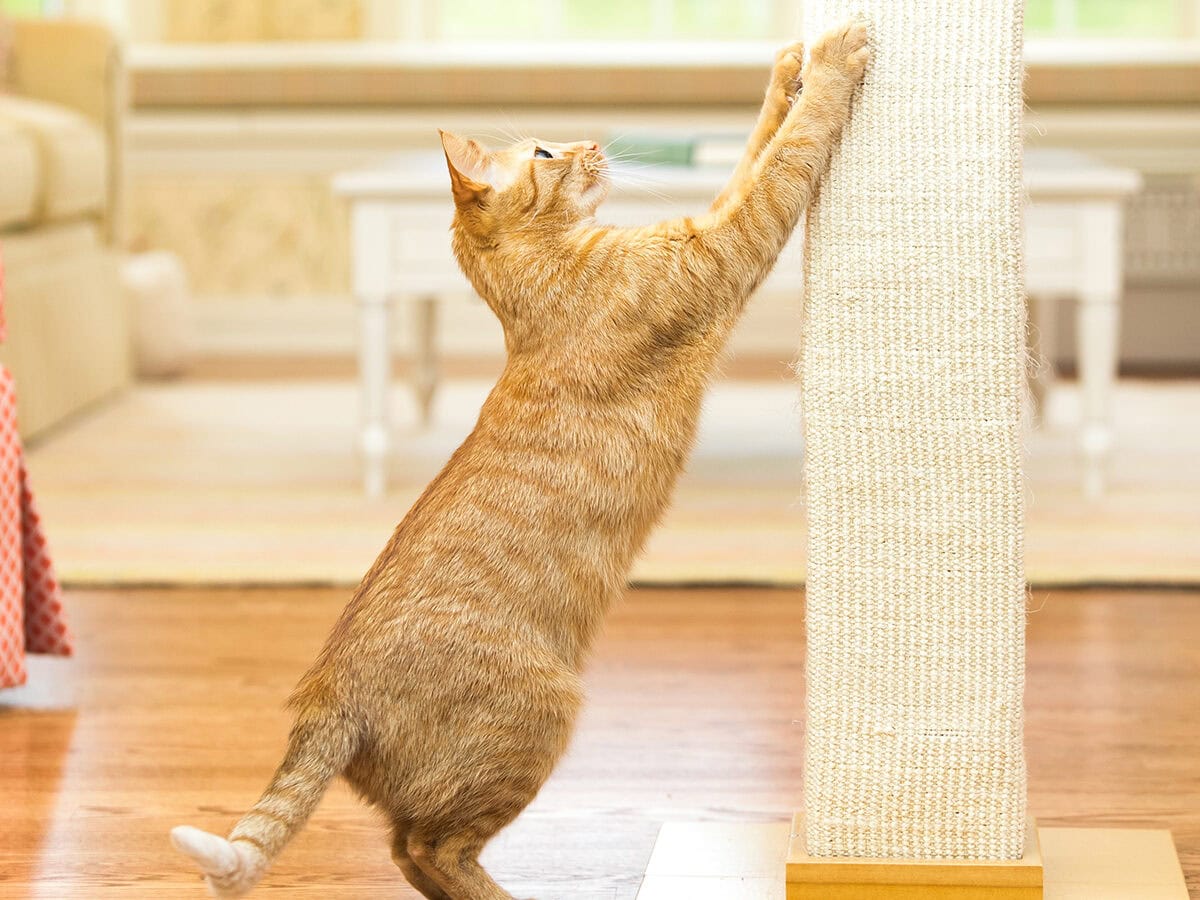
Now that you have identified what they prefer, choose the appropriate scratching post to align with their preference. Scratching posts come in a variety of material such as rope, carpet, cardboard, etc., which allows you to choose the right surface for your cat. Scratching posts can be upright, at an angle, or flat on the floor. For upright or angled scratching posts, they must be taller than your cat is when they are on their hind legs so they have room to stretch as they scratch. Larger cats will need larger scratching posts. If the post isn’t tall enough, it won’t be an appealing option to your cat. Scratching posts should also be sturdy so your cat can’t tip it over while scratching, so look for designs with a wide base. If it tips over during use, it may scare your cat and stop them from using it again in the future. Check out our online store or stop in at any WHS sheltering location to see what scratching posts and cat condos we have available. Besides competitive prices and a quality selection, 100% of the proceeds from your purchase will go straight to the animals at the Wisconsin Humane Society.
Choosing a location for the scratching post
Once you have chosen the scratching post that matches your cat’s preferences, choose the appropriate location to place it in your home. To start with, place the scratching post as closely as possible to their original scratching spot. For example, set the post right next to the arm of the couch, or place the scratching board on the ground near their favorite scratching spot on the carpet. If your cat was scratching in multiple locations, it’s best to put a post by each location.
Once your cat is using the new scratching object consistently and stops clawing the old, you can begin to slowly move the scratching post to a new location, if needed. It should be moved very gradually (ex., slide it a foot or two each day) or ideally kept near the previously preferred item whenever possible. For example, if your cat was scratching doorways, keep the scratching post as near to a doorway as possible. Generally, cats choose to scratch in high-traffic areas, so resist the urge to move the post to an unused room or back hallway unless your cat was using those areas previously for scratching.
Making the inappropriate surface unappealing
In addition to providing the ideal scratching space for your cat, you can make the inappropriate surface undesirable. Cover their old scratching spots with materials that aren’t appealing to scratch. For example, use aluminum foil or double-sided sticky tape on couch corners, or place a rug liner on top of the flooring your cat was scratching (or in front of the area where your cat was scratching).
Leave the deterrents on the items until your cat has begun using the provided scratching posts consistently and you have moved them to their final location. Once they’ve been successful for a month, gradually remove the deterrents on the old objects. If the cat begins to revert to their old ways, immediately replace the deterrents and leave them up for a longer stretch of time.
Increasing mental and physical exercise
Scratching is a form of exercise and a way for cats to release energy. Some cats will also scratch when bored. Increasing their daily mental and physical exercise will give them other outlets for their energy, as well as provide them different items and objects to engage with if bored. If your cat is playing with a treat dispensing toy, they cannot be simultaneously scratching. Check out our resource on cat enrichment for ideas and ways to promote more mental and physical engagement in your cat’s life.
Trimming nails consistently
One way to minimize damage to inappropriate scratching spots and prolong the life of intended clawing objects is to trim your cat’s nails on a routine basis. Check out our resource on nail trimming to learn how to slowly acclimate your cat to the process and help them enjoy their weekly manicure.
Alternatives to declawing
The Wisconsin Humane Society strongly discourages people from having their cats declawed. Declawing is the act of removing the last digit of a cat’s toe which includes their nail. Scratching is a natural instinctual behavior for cats and is a necessary part of their daily life. Claws are also one of a cat’s main tools of self-defense, leaving some declawed cats feeling vulnerable and causing them to become mouthier or bite. Declawing can also change the way a litterbox feels to their paws and can be painful after surgery, causing them to stop using the litterbox consistently.
If you’ve taken all of the steps above but your cat doesn’t redirect to a new scratching object, you can try using Soft Claws. Soft Claws are vinyl nail covers that are placed over your cat’s nails with a non-toxic adhesive. Soft Claws can last anywhere from 4-6 weeks before needing to be replaced and allow your cat to “scratch” household items without causing damage. Soft Claws can be purchased at any of the Wisconsin Humane Society Campuses or at your local pet supply store.
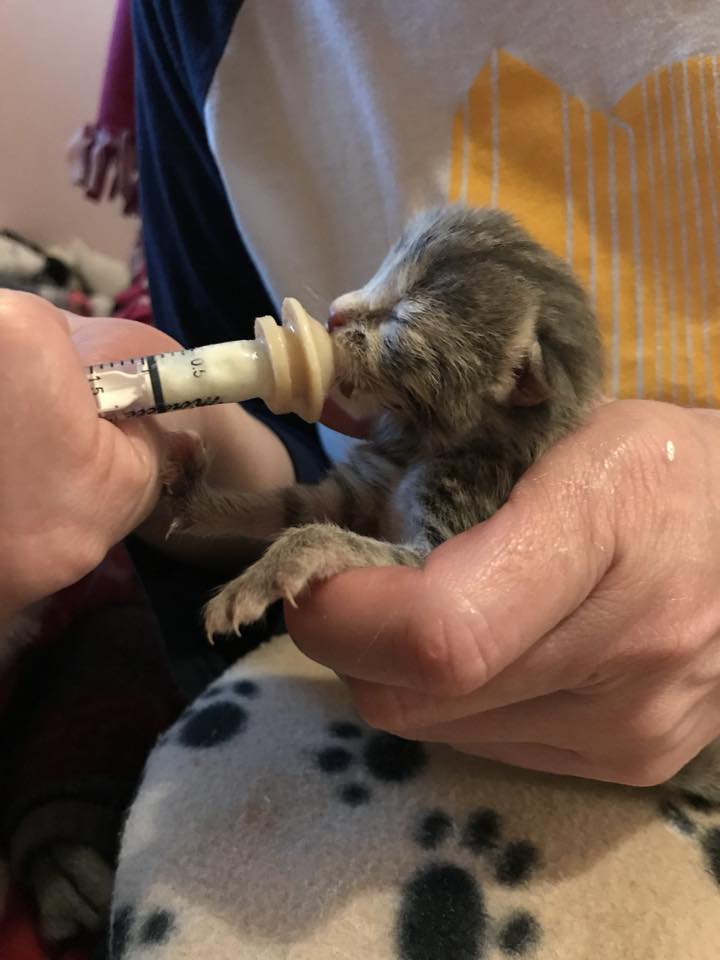
Kittens who are 1 day to 4 weeks old, with or without mom
Unable to regulate their own body temperature until at least 3 weeks of age
Need round-the-clock care: feeding and pottying every 2-3 hours
Lots and lots of sleeping, no real “playtime” yet
Very fragile and highly susceptible to illness
Orphaned neonatal kittens are at a huge disadvantage; it’s not uncommon for them to pass away due to lack of maternal antibodies and underdeveloped organ systems
Why do neonatal kittens need foster care?
They require round-the-clock care and we are unable to staff the building 24/7
Despite thorough cleaning protocols and our best efforts, risk of disease transmission is higher in-shelter
Babies need socialization and nurturing
How do foster parents help a litter of neonates with a mom?
Provide an environment that is as quiet and stress-free as possible
Simply let mom do what she does best; support mom and keep her comfortable
Make sure babies are getting proper care from mom; fosters may need to provide supplemental feeding
Monitor kittens’ weights to ensure proper growth; watch for signs of illness
Door dashing occurs when a curious or adventurous cat attempts to slip out the door as soon as it’s opened. Some of these cats have experienced the outdoor life while others are just curious what may lie beyond the front door, and they are often persistent, making it frustrating to manage at times. Curious and confident cats should be given outlets to explore and engage with novel items, but escaping the home is dangerous and should be prevented. Here are ways to change how your cat behaves when you are entering or exiting your home.
Management
First and foremost, it’s dangerous for a cat to slip out of your door. Once loose in the outdoor world, there are many hazards they may encounter that could result in injury or death. And since cats are inherently stealthy, skilled door-dashers can sneak out without you even noticing, making the situation even more hazardous when no one is aware that they’re gone. Therefore, step one of the process is to make physical changes in the home to eliminate or reduce the opportunity for them to sneak out, then you can work on modifying the behavior without worrying about an accidental escape.
Block access to doors If your home is set up for it, close doors surrounding your entrances and exits. This will create a second barrier. By always keeping your cat behind the second set of doors, you will be able to enter and exit without risk of your cat slipping outside.
Barriers/Gates Many homes do not have doors already present to allow you to block off entrances and exits. In that case, there are a variety of barriers/gates available to purchase, but be sure you select one that’s extra tall and not something your cat could scale or jump over. If you want something more secure or don’t want to be going over/through a gate, you may also consider temporarily installing a screen door in the interior of your home to prevent access to entryways. Find something that works for you and your cat to create a second barrier blocking the doors.
Prepare guests/visitors Communicate with guests ahead of time on how they should enter and exit your home. By providing all visitors with a plan ahead of time, there is less chance that your cat will get an opportunity to slip out.
Confine to a single room Create a single room for confinement when you are gone. If your cat is confined to a separate room, they cannot sneak out. This room is not meant to be a punishment, so make sure your cat has all their necessities, such as food, water, litter box, bedding, and toys. We recommend leaving your cat an extra special treat-dispensing toy to work on in the room while you are away. This room can also be used when you are having multiple people coming and going, making it hard to keep other barriers in place. Ideally, this will be a temporary solution while working on modifying your cat’s behavior.
Modifying the Behavior
As with all behavior modification and training practices, your efforts will be the most effective if you understand what is driving the behavior in the first place. By identifying those triggers, you can help provide alternatives and make door-dashing less desirable.
Increase Enrichment
All animals thrive the most when they have their physical and mental enrichment needs met. And while the outdoors certainly provides lots of exercise for the brain and body, they also put cats at high risk of getting hit by a car, contracting a myriad of illnesses, falling prey to a larger animal, getting trapped or entangled, or a number of other hazards. Instead, we should focus on providing them with plenty of opportunities for enrichment inside the home. This doesn’t mean you need to spend a lot of money on toys – it can be as simple as tossing out a few pieces of crumpled up paper, playing with a cat charmer, leaving out any empty shipping boxes for a day or two, or even just rearranging your furniture every now and then to give them a perch with a new perspective. If your house is a more interesting place, they’ll have less of a desire to leave. See our resource on enriching your cat’s life for more information and ideas.
Spay/Neuter
If your cat has not been spayed or neutered (meaning they can still produce kittens), they will be even more interested in going outside. You can greatly reduce this biological drive by having them spayed or neutered.
Create a Greeting Station
A greeting station is a designated spot where your cat knows to go whenever the door is opened so they can receive positive reinforcement. If your cat is eating treats or getting affection at their greeting station, they cannot simultaneously be sneaking out the door.
How to create this behavior
First, choose a station location. This could be a level of your cat’s cat tree, a small table with a pillow on top, a chair, etc. The goal is to find a location where your cat will be comfortable and is slightly away from the door, but still easy for you to access quickly when moving in and out of the home.
Once you have chosen the location, build interest by placing high-value treats there for your cat to find. If they especially enjoy physical touch, offer petting and chin scratches when they are spending time at their greeting station. Do this routinely throughout the day for a while so they get a chance to realize this spot is highly desirable.
Start pairing treats/pets at the greeting station with the door opening. This will require a lot of repetition, so stick with it and be persistent – with time, they’ll learn that if they are in their spot when the door opens, they get a reward.
Begin this process by placing several treats on your cat’s station. Once your cat has reached the station, move towards the door. Only take a few steps. Then go back to feed another couple treats and repeat. Slowly move farther from the station over multiple training sessions until you are placing several treats and walking to your door and opening it while your cat stays on their station snacking on treats. Also, practice entering your home and placing treats on the station as soon as you walk in. If your cat finds petting reinforcing, offer pets along with the treats upon entry. Follow this pattern every time you enter and exit your home and soon your cat will head to their station instead of the door when you are entering or exiting.
While your cat is learning this new skill, continue to use management techniques like barriers. When it comes to door-dashing, a cat slipping out can be dangerous, so take your time to build this behavior before taking down any gates or screens. With patience and persistence, you’ll no longer be tripping over your best friend when you walk in the door and your companion will remain contentedly inside where they’re safest!
All animals adopted from the Wisconsin Humane Society go home with a certificate for a free health exam at a participating veterinary office. The exam must be scheduled within 7 days of adoption and does not cover the cost of any additional services or medications your vet may provide. Below you’ll find a list of participating clinics; we are so grateful to the veterinarians below for supporting shelter pets and the people who love them!
Browse Clinics by County
Animal Hospital of Ashwaubenon | 1030 Willard Dr, Green Bay, WI 54304 920-499-0805 | www.ash-vet.com Serves: Dogs, Cats, Rabbits, & Small Animals
Animal Hospital of De Pere | 703 N 9th St, De Pere, WI 54115 920-336-5774 | www.animalhospitalofdepere.com Serves: Dogs & Cats
Animal Hospital of Howard | 635 Cardinal Ln, Green Bay, WI 54313 920-434-1010 | www.animalhospitalofhoward.com Serves: All animals
Animal House in Green Bay | 3171 Voyager Dr, Green Bay, WI 54311 920-465-4629 | animalhousegreenbay.com Serves: All animals
Bay East Animal Hospital | 1475 Lime Kiln Rd, Green Bay, WI 54311 920-468-5800 | www.bayeast.com Serves: Dogs & Cats
Buddy’s Vets – East | 1636 Hoffman Rd, Green Bay, WI 54311 920-337-2266 | www.buddysvets.com Serves: Dogs & Cats
Buddy’s Vets – West | 2295 West Mason St, Green Bay, WI 54303 920-494-2221 | www.buddysvets.com Serves: Dogs & Cats
Gentle Vet Animal Hospital | 1476 University Ave, Green Bay, WI 54302 920-435-5000 | www.thegentlevets.com Serves: Dogs, Cats, Birds, Small Animals, Reptiles, & Exotics
Green Bay Animal Hospital | 1518 W Mason St, Green Bay, WI 54303 920-494-2221 | www.greenbayallouezanimalhospital.com Serves: Dogs & Cats
Northeast Wisconsin Veterinary | 135 Broadway St, Denmark, WI 54208 920-863-8007 Serves: Dogs, Cats, Rabbits, & Small Animals
Oak View Veterinary Hospital | 2770 Manitowoc Rd, Green Bay, WI 54311 920-468-6936 | www.oakviewvet.com Serves: Dogs & Cats
Packerland Veterinary Center | 121 Packerland Dr, Green Bay, WI 54303 920-498-2808 | www.packerlandvet.com Serves: Dogs & Cats
Parkside Animal Care Center | 123 N Military Ave, Green Bay, WI 54304 920-497-2086 | www.parksideanimalcarecenter.com Serves: Dogs & Cats
Paws & Co | 1281 Brosig St, Unit B, Green Bay, WI 54302 920-471-0643 | www.pawsandcoclinic.com Serves: Dogs & Cats
Pulaski Veterinary Clinic | 1010 S St Augustine St, Pulaski, WI 54162 920-822-8211 | www.pulaskiveterinaryclinic.com Serves: Dogs & Cats
Riverside Animal Hospital | 3233 Riverside Dr, Green Bay, WI 54301 920-336-5090 | www.riversideanimal.vetstreet.com Serves: Dogs, Cats, Rabbits, & Small Animals
TLC Animal Hospital | 2490 Lineville Rd, Unit A, Green Bay, WI 54313 920-661-9400 | www.tlcanimalhospitalwi.com Serves: Dogs & Cats
Veterinary House Calls | 519 E Cedar St, Pulaski, WI 54162 920-822-8575 Serves: Dogs & Cats
Wrightstown Veterinary Clinic | 410 Meadow Ln, Wrightstown, WI 54180 920-532-2000 | www.wrightstownvet.com Serves: Dogs, Cats, Rabbits, & Small Animals
Capital City Vet Clinic 3120 Edmonton Dr, Sun Prairie, WI 53590 608-318-5060 www.capitalcityvetclinic.com Serves: Dogs & Cats
Marshall Pet CareClinic 701 W. Main St, Suite 167, Marshall, WI 53559 608-655-3963 www.marshallpetcare.com Serves: Dogs & Cats
Animal Clinic of Sturgeon Bay 130 S Madison Ave, Sturgeon Bay, WI 54235 920-743-2628 www.animalclinicofsturgeonbay.com Serves: Dogs & Cats
Bayside Veterinary Clinic 3773 Egg Harbor Rd, Sturgeon Bay, WI 54235 920-743-8890 Serves: Dogs & Cats
Door County Veterinary Hospital 3915 Old Hwy Rd, Sturgeon Bay, WI 54235 920-743-7777 www.doorcountyveterinaryhospital.com Serves: Dogs & Cats
Animal Health Center | 1147 Boughton St, Watertown, WI 53094 920-261-4020 | www.mywatertownvet.com Serves: Dogs & Cats
Sullivan Veterinary Service | 103 Main St, Sullivan, WI 53178 262-593-8021 | www.sullivanvetservice.com Serves: Dogs, Cats, & Rabbits
Advanced Animal Hospital | 3374 W. Loomis Road, Greenfield, WI 53221 414-817-1200|Advancedanimalhospital.comServes: Dogs & Cats
Advanced Veterinary Care Clinic | 8052 N 76th St, Milwaukee, WI 53223 414-365-5200 | www.advancedvet.vetsuite.com Serves: Dogs & Cats
Airport Animal Hospital | 2746 E Layton Ave, St. Francis, WI 53235 414-486-7700 | www.myairportanimalhospital.com Serves: Dogs & Cats
Alta View Veterinary Clinic | 7330 W Forest Home Ave, Milwaukee, WI 53220 414-546-0606 | www.altaviewveterinaryclinic.com Serves: Dogs & Cats
Animal Care Hospital | 10001 W Lisbon Ave, Milwaukee, WI 53222 414-535-7777 | www.animalcare.milwaukee.com Serves: Dogs & Cats
Animal Wellness Center of Oak Creek | 9142 S Chicago Rd, Oak Creek, WI 53154 414-762-8888 Serves: Dogs & Cats
Bayshore Veterinary Clinic | 3723 N Oakland Ave, Shorewood, WI 53211 414-964-7009 | www.bayshorevets.com Serves: Dogs & Cats
Brentwood Animal Campus | 10932 W Loomis Rd, Franklin, WI 53132 414-427-2700 | www.animalcampus.com Serves: Dogs & Cats
Brentwood Animal Hospital | 318 W Ryan Rd, Oak Creek, WI 53154 414-762-7173 | brentwoodanimalhospitalwi.com Serves: Dogs, Cats, Rabbits, & Small Animals
Brown Deer Animal Hospital | 8745 N 51st St, Brown Deer, WI 53223 414-355-2603 | www.browndeeranimalhosp.com Serves: All animals
Cat Care Clinic Milwaukee | 236 N Water St, Milwaukee, WI 53210 414-272-2287 | catcareclinicmilwaukee.com Serves: Cats
City Animal Hospital | 325 W Silver Spring Dr, Glendale, WI 53217 414-332-5555 | cityanimalhospitalmke.com Serves: Dogs & Cats
Community Veterinary Clinic | 3010 S Chase Ave, Milwaukee, WI 53207 414-482-3647 | www.mycommunityvet.com Serves: Dogs & Cats
Crawford Animal Hospital | 4607 S 108th St, Greenfield, WI 53228 414-529-3577 | www.myanimalhospital.com Serves: Dogs & Cats
Cudahy Veterinary Clinic | 6242 S Packard Ave, Cudahy, WI 53110 414-762-5650 | cudahyvet.com Serves: Dogs & Cats
Forest Home Animal Clinic, S.C. | 11222 W Forest Home Ave, Franklin, WI 53132 414-425-2340 | www.foresthomeanimalclinic.com Serves: Dogs & Cats
Franklin Veterinary Clinic | 9755 W St Martins Rd, Franklin, WI 53132 414-425-1955 | franklinvetswi.com Serves: All animals
Greendale Village Vet | 6210 Industrial Ct, Greendale, WI 53129 414-421-1800 | www.greendalevillagevet.com Serves: Dogs & Cats
Greenfield Veterinary Clinic | 5981 S 27th St, Greenfield, WI 53221 414-282-5230 | greenfieldpetvet.com Serves: Dogs & Cats
Harwood Vet Hospital | 7954 W Harwood Ave, Suite 202, Wauwatosa, WI 53213 414-828-8963 | www.harwoodveterinaryhospital.com Serves: All animals
Lakeside Animal Hospital | 211 W Bender Rd, Milwaukee, WI 53217 414-962-8040 | www.lakesideanimalhospital.biz Serves: All animals
Layton Animal Hospital | 1216 W Layton Ave, Milwaukee, WI 53221 414-281-8270 | www.laytonanimalhospital.com Serves: Dogs & Cats
Milwaukee Animal Hospital | 4400 W Oklahoma Ave, Milwaukee, WI 53219 414-545-5100 | www.milwaukeeanimalhospital.us Serves: Dogs & Cats
Milwaukee Vet Clinic | 107 E Seeboth Street, Milwaukee, WI 53204 414-310-8997 | MKEVet.com Serves: Dogs, Cats, Small animals
Norwood Animal Clinic | 5345 N Lovers Lane Rd, Milwaukee, WI 53225 414-463-9760 | www.norwoodanimal.com Serves: Dogs & Cats
Oak Creek Vet Care | 8000 S Howell Ave, Oak Creek, WI 53154 414-301-9113 | www.oakcreekvetcare.com Serves: Dogs & Cats
Oak Leaf Veterinary Clinic | 4600 N. Wilson Dr., Shorewood, WI 53211 414-231-9228 | www.oakleafvetclinic.com Serves: Dogs & Cats
Park Pet Hospital | 7950 N Port Washington Rd, Fox Point, WI 53217 414-352-1470 | www.parkpethospital.com Serves: Dogs, Cats, Rabbits, Small Animals, & Birds
Shorewood Animal Hospital | 2500 E Capitol Dr, Shorewood, WI 53211 414-962-6662 | www.shorewoodanimalhospital.com Serves: Dogs & Cats
Silver Spring Animal Wellness Center | 1405 W Silver Spring Dr, Glendale, WI 53209 414-228-7655 | silverspringanimalwellness.com Serves: Dogs & Cats
Small Animal Hospital | 2340 N Newhall St, Milwaukee, WI 53211 414-276-0701 | www.smallanimalhospitalllc.com Serves: Dogs, Cats, Rabbits, & Small Animals
Spirit of ’76 Veterinary Clinic | 7606 W Lincoln Ave, West Allis, WI 53219 414-546-0750 | spiritof76thveterinaryclinic.vetstreet.com Serves: Dogs, Cats, Rabbits, Small Animals, & Exotics
Star Veterinary Center of Franklin | 2735 W Rawson Ave, Franklin WI 53132 414-304-1818 | starvetcenters.com Serves: Dogs, Cats
VCA Pahle Animal Hospital | 10827 W Oklahoma Ave, West Allis, WI 53227 414-541-6440 | www.vcahospitals.com/pahle Serves: Dogs, Cats, Rabbits, & Small Animals
West Allis Animal Hospital | 1736 S 82nd St, West Allis, WI 53214 414-476-3544 | www.westallisanimalhospital.com Serves: Dogs & Cats
West Allis Veterinary Clinic | 11504 W Greenfield Ave, West Allis, WI 53214 414-453-4344 | www.westallisvet.com Serves: Dogs, Cats, Rabbits, & Small Animals
West Burleigh Veterinary Clinic | 7333 W Burleigh St, Milwaukee, WI 53210 414-444-3112 | www.westburleighvetclinic.com Serves: Dogs & Cats
Whitnall Small Animal Hospital | 12015 W Janesville Rd, Hales Corners, WI 53130 414-425-9666 | whitnallsmallanimalhospital.com Serves: Dogs & Cats
Best Friends Veterinary | 2082 Cheyenne Ct, Grafton, WI 53024 262-375-0130 | www.bestfriendsvet.com Serves: Dogs, Cats, Rabbits, Small Animals, Birds, & Exotics
Cedarburg Veterinary Clinic | N143W6475 Pioneer Rd, Cedarburg, WI 53012 262-377-2460 | www.cedarburgvet.com Serves: Dogs, Cats, Rabbits, & Small Animals
East Towne Veterinary Clinic | 11622 N Port Washington Rd, Mequon, WI 53092 262-241-4884 | www.easttowneveterinaryclinic.com Serves: Dogs, Cats, Rabbits, & Small Birds
The Little Animal Hospital | 2590 Highway 32, Port Washington, WI 53074 262-284-0400 | www.thelittleanimalhospital.com Serves: Dogs, Cats, & Small Animals
Thiensville-Mequon Small Animal Clinic | 425 N Main St, Thiensville, WI 53092 262-238-5060 | www.thiensvillemequonsac.com Serves: Dogs, Cats, Small Animals, & Birds
VCA Saukville Animal Hospital | 303 W Dekora St, Saukville, WI 53080 262-284-7000 | www.vcahospitals.com/saukville Serves: Dogs & Cats
Angelcare Animal Hospital | 6915 Washington Ave, Racine, WI 53406 262-886-3337 | www.angelcarevet.net Serves: Dogs, Cats, Rabbits, & Small Animals
Animal Wellness Center | 688 McHenry St, Burlington, WI 53105 262-763-6055 | awcwi.com Serves: Dogs & Cats
Belle City Veterinary Hospital | 4701 Spring St, Racine, WI 53406 262-637-8308 | www.bellecityvet.com Serves: Dogs & Cats
Caledonia Veterinary Clinic | 4338 State Hwy 38, Franksville, WI 53126 262-681-8000 | www.caledoniavetclinic.com Serves: Dogs, Cats, Rabbits, Small Animals, & Exotics
For Pets’ Sake Veterinary Clinic | 9000 Charles Street, Sturtevant, WI 53177 262-884-8838 | forpetssakevet.com Serves: All animals
Molitor Pet & Bird Clinic | 108 N Pine St, Burlington, WI 53105 262-763-8113 | www.molitorpetclinic.com Serves: Dogs, Cats, Rabbits, Small Animals, & Birds
North Shore Animal Hospital | 4630 Douglas Ave, Racine, WI 53402 262-639-7500 | www.northshoreanimalhospital.com Serves: Dogs & Cats
Racine Veterinary Hospital | 5748 Taylor Ave, Racine, WI 53403 262-554-8666 | www.racinevethospital.com Serves: Dogs, Cats, & Small Animals
Wind Lake Animal Hospital | 7835 S Loomis Rd, Wind Lake, WI 53185 262-895-2600 | www.muskegoanimalhospital.com Serves: Dogs, Cats, Rabbits, Small Animals, & Birds
Cherry Hill Vet Clinic | W843 Filmore Rd, Rubicon, WI 53078 262-673-0890 | cherryhillvetclinic.com Serves: Dogs, Cats, Rabbits, & Small Animals
Hartford Animal Clinic | 1191 Grand Ave, Hartford, WI 53027 262-673-7960 | www.hartfordanimalclinic.com Serves: Dogs & Cats
Jackson Pet Hospital | 3370 Jackson Dr, Jackson, WI 53037 262-677-3112 | www.jacksonpethospital.com Serves: Dogs & Cats
Parkdale Pet Clinic | 615 N Main St, West Bend, WI 53090 262-334-2550 | www.parkdalepet.com Serves: Dogs, Cats, & Rabbits
Pleasant Valley Vet Hospital, S.C. | 2151 Pleasant Valley Rd, West Bend, WI 53095 262-677-3222 | www.pleasantvalleyvh.com Serves: Dogs, Cats, & Rabbits
Richfield Area Pet Clinic | 1275 Morgan Dr, Hubertus, WI 53033 262-628-7272 | www.richfieldpet.com Serves: Dogs & Cats
Schmidt Veterinary Clinic | 2120 Granville Rd, West Bend, WI 53095 262-675-6020 Serves: Dogs & Cats
West Bend Animal Hospital| 1020 E Washington St, West Bend, WI 53095 262-334-4443 | www.westbendvet.com Serves: Dogs, Cats, & Small Animals
Woodview Veterinary Clinic | 3284 Lighthouse Ln, West Bend, WI 53090 262-338-1838 | www.woodviewvet.com Serves: Dogs, Cats, & Rabbits
Animal Medical Center | N95W18124 Appleton Ave, Menomonee Falls, WI 53051 262-251-2904 | www.animalmedcen.com Serves: Dogs, Cats, Rabbits, & Small Animals
Animal Wellness Center Waukesha | S31W28883 Sunset Dr, Waukesha, WI 53189 262-968-2639 | www.awcwi.com/WAUKESHA-veterinarian/ Serves: Dogs & Cats
Bark River Animal Hospital | 281 N Main St, Dousman, WI 53118 262-965-4888 | www.barkriveranimalhospital.com Serves: Dogs & Cats
Bay View Veterinary Clinic | 890 Main St, Mukwonago, WI 53149 262-363-9993 | www.bayviewvet.com Serves: Dogs, Cats, & Rabbits
Bluemound Animal Hospital | 16520 W Bluemound Rd, Brookfield, WI 53005 262-782-5805 | www.bluemoundanimal.com Serves: Dogs & Cats
Brook-Falls Veterinary Hospital | N48W14850 Lisbon Rd, Menomonee Falls, WI 53051 262-781-5277 | www.brook-falls.com Serves: Dogs, Cats, & Small Animals
Brookfield Animal Hospital | 18000 W Bluemound Rd Suite A, Brookfield, WI 53045 262-236-6222 | brookfieldah.com Serves: Dogs & Cats
Butler Animal Clinic | 5180 N 126th St, Butler, WI 53007 262-781-2266 Serves: Dogs & Cats
Care Animal Clinic | 14350 W Capitol Dr, Brookfield, WI 53005 262-781-5993 | www.careanimalclinic.com Serves: Dogs & Cats
Companion Animal Hospital | 13100 W National Ave, New Berlin, WI 53151 262-789-1954 | newberlinvet.com Serves: All Animals
Cream City Kitty Clinic | 1900 Pewaukee Rd, Suite A, Waukesha, WI 53188 262-549-4228 | creamcitykitty.net Serves: Cats
Delafield Small Animal Hospital | 20 Crossroads Ct, Delafield, WI 53018 262-646-4660 | www.delafieldsmallanimalhospital.com Serves: All Animals
Family Pet Clinic | N73W13583 Appleton Ave, Menomonee Falls, WI 53051 262-253-2255 | www.familypetclinic.org Serves: Dogs, Cats, Rabbits, & Small Animals
Hallet Veterinary Hospital | 5744 Brown St, Oconomowoc, WI 53066 262-569-0801 | www.hallettvet.com Serves: Dogs & Cats
Hartland Animal Hospital | 140 North Ave, Hartland, WI 53029 262-367-3322 | www.harlandanimalhospitalwi.com Serves: Dogs & Cats
Lake Country Vet Care | 600 Hartbrook Dr, Harland, WI 53209 262-369-1609 | www.lakecountryvet.com Serves: Dogs & Cats
Lakeview Animal Clinic | 617 Ryan St, Suite 280, Pewaukee, WI 53072 262-695-6120 | www.lakeviewanimalclinicwi.com Serves: Dogs & Cats
Muskego Animal Hospital | S80W19055 Janesville Rd, Muskego, WI 53150 262-679-1200 | www.muskegoanimalhospital.com Serves: All Animals
New Berlin Animal Hospital | 3840 S Moorland Rd, New Berlin, WI 53151 262-782-6910 | www.newberlinanimalhospital.com Serves: Dogs & Cats
North Lake Veterinary Clinic | W300N7638 Christine Ln, Hartland, WI 53029 262-966-7577 | www.northlakevet.com Serves: Dogs & Cats
Parkland Plaza Vet Clinic | 2715 S Calhoun Rd, New Berlin, WI 53151 262-784-3334 | www.parklandplazavet.com Serves: Dogs, Cats, Rabbits, & Small Animals
Pewaukee Veterinary Service | N29W23950 Schuett Dr, Pewaukee, WI 53072 262-347-0787 | pewaukeeveterinaryservice.com Serves: Dogs & Cats
Prairie Animal Hospital | 137 Oakridge Dr, North Prairie, WI 53153 262-392-9199 | prairieanimalhospitalsc.com Serves: Dogs & Cats
Star Veterinary Center of Muskego | S73W16790 Janesville Rd, Muskego, WI 53150 262-326-3100 | starvetcenters.com Serves: Dogs, Cats
VCA Associates in Pet Care | 918 W Sunset Dr, Waukesha, WI 53189 262-547-0871 | www.vcahospitals.com/associates-in-pet-care Serves: Dogs & Cats
Waukesha Small Animal Hospital | W237N660 Oak Ridge Dr, Waukesha, WI 53188 262-542-2541 | www.waukeshasmallanimalhospital.aahavet.org Serves: Dogs & Cats
Westown Veterinary Clinic | 21675 W Longview Dr, Suite 200, Waukesha, WI 53186 262-798-2780 | www.westownvetclinic.com Serves: All Animals
For Veterinary Clinics Only
If you work at a veterinary clinic and would like to be added to this list, contact us here. Thank you!