• Free Health Exam for WHS Adopters

    Free Health Exam for WHS Adopters

    Congratulations on your adoption!

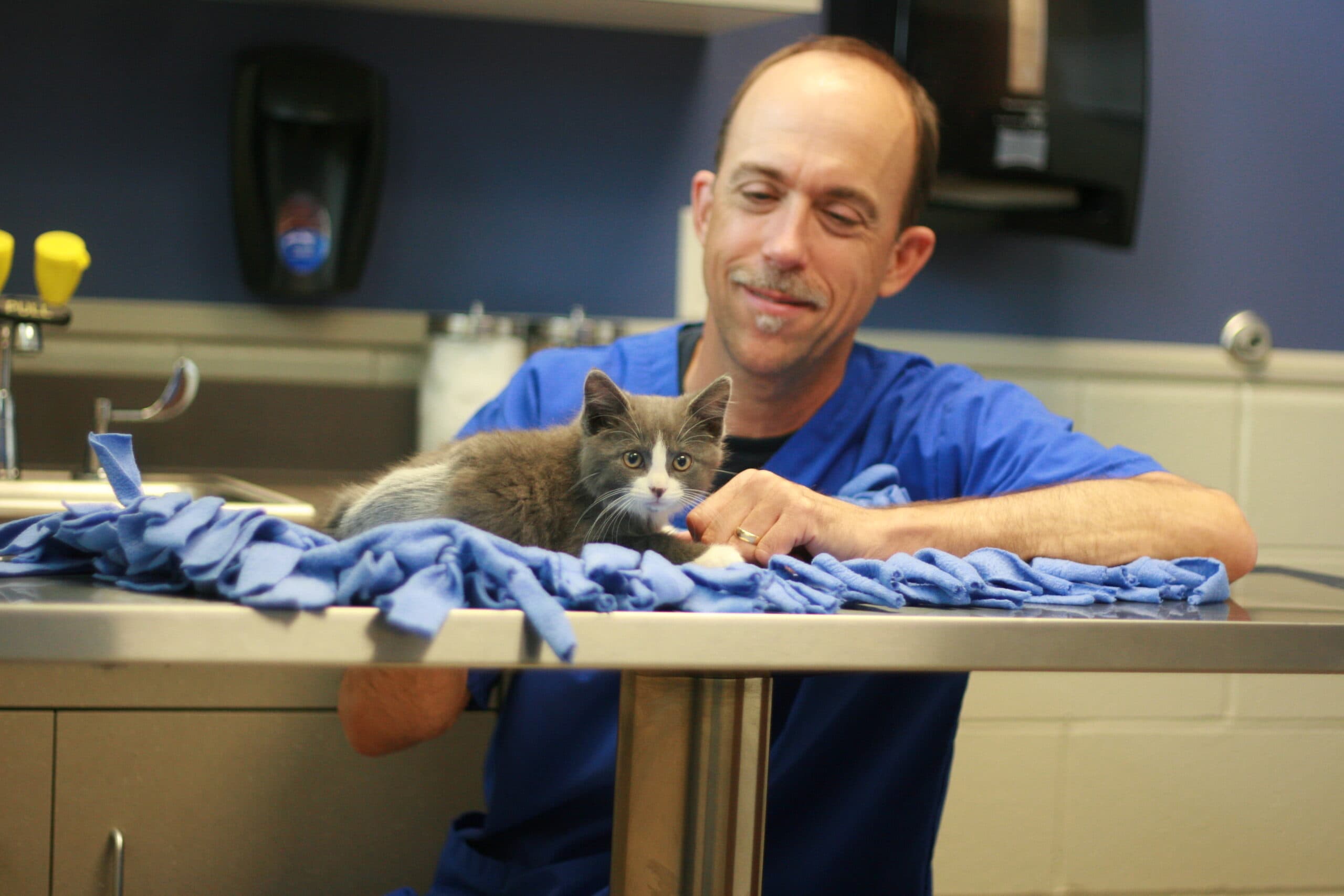
    All animals adopted from the Wisconsin Humane Society go home with a certificate for a free health exam at a participating veterinary office. The exam must be scheduled within 7 days of adoption and does not cover the cost of any additional services or medications your vet may provide. Below you’ll find a list of participating clinics; we are so grateful to the veterinarians below for supporting shelter pets and the people who love them!

    For Veterinary Clinics

    Do you work at a veterinary clinic and would like to offer a free exam to WHS adopters? Submit a request form and we’ll get back to you as soon as we’re able. Thank you!

    Browse Clinics by County

    • Allouez Animal Hospital | 801 Hoffman Rd, Green Bay, WI 54301
      920-337-2266 | www.greenbayallouezanimalhospital.com
      Serves: Dogs & Cats 
    • Animal Hospital of Ashwaubenon | 1030 Willard Dr, Green Bay, WI 54304
      920-499-0805 | www.ash-vet.com
      Serves: Dogs, Cats, Rabbits, & Small Animals 
    • Animal Hospital of De Pere | 703 N 9th St, De Pere, WI 54115
      920-336-5774 | www.animalhospitalofdepere.com
      Serves: Dogs & Cats 
    • Animal Hospital of Howard | 635 Cardinal Ln, Green Bay, WI 54313
      920-434-1010 | www.animalhospitalofhoward.com
      Serves: All animals 
    • Animal House in Green Bay | 3171 Voyager Dr, Green Bay, WI 54311
      920-465-4629 | animalhousegreenbay.com
      Serves: All animals 
    • Bay East Animal Hospital | 1475 Lime Kiln Rd, Green Bay, WI 54311
      920-468-5800 | www.bayeast.com
      Serves: Dogs & Cats
    • Gentle Vet Animal Hospital | 1476 University Ave, Green Bay, WI 54302
      920-435-5000 | www.thegentlevets.com
      Serves: Dogs, Cats, Birds, Small Animals, Reptiles, & Exotics 
    • Green Bay Animal Hospital | 1518 W Mason St, Green Bay, WI 54303
      920-494-2221 | www.greenbayallouezanimalhospital.com
      Serves: Dogs & Cats 
    • Northeast Wisconsin Veterinary | 135 Broadway St, Denmark, WI 54208
      920-863-8007
      Serves: Dogs, Cats, Rabbits, & Small Animals 
    • Oak View Veterinary Hospital | 2770 Manitowoc Rd, Green Bay, WI 54311
      920-468-6936 | www.oakviewvet.com
      Serves: Dogs & Cats 
    • Packerland Veterinary Center | 121 Packerland Dr, Green Bay, WI 54303
      920-498-2808 | www.packerlandvet.com
      Serves: Dogs & Cats 
    • Parkside Animal Care Center | 123 N Military Ave, Green Bay, WI 54304
      920-497-2086 | www.parksideanimalcarecenter.com
      Serves: Dogs & Cats 
    • Paws & Co | 1281 Brosig St, Unit B, Green Bay, WI 54302
      920-471-0643 | www.pawsandcoclinic.com
      Serves: Dogs & Cats 
    • Pulaski Veterinary Clinic | 1010 S St Augustine St, Pulaski, WI 54162
      920-822-8211 | www.pulaskiveterinaryclinic.com
      Serves: Dogs & Cats 
    • Riverside Animal Hospital | 3233 Riverside Dr, Green Bay, WI 54301
      920-336-5090 | www.riversideanimal.vetstreet.com
      Serves: Dogs, Cats, Rabbits, & Small Animals 
    • TLC Animal Hospital | 2490 Lineville Rd, Unit A, Green Bay, WI 54313
      920-661-9400 | www.tlcanimalhospitalwi.com
      Serves: Dogs & Cats 
    • Veterinary House Calls | 519 E Cedar St, Pulaski, WI 54162
      920-822-8575
      Serves: Dogs & Cats 
    • Wrightstown Veterinary Clinic | 410 Meadow Ln, Wrightstown, WI 54180
      920-532-2000 | www.wrightstownvet.com
      Serves: Dogs, Cats, Rabbits, & Small Animals 

    Capital City Vet Clinic | 3120 Edmonton Dr, Sun Prairie, WI 53590
    608-318-5060 | www.capitalcityvetclinic.com
    Serves: Dogs & Cats 

    • Animal Clinic of Sturgeon Bay | 130 S Madison Ave, Sturgeon Bay, WI 54235
      920-743-2628 | www.animalclinicofsturgeonbay.com
      Serves: Dogs & Cats
    • Bayside Veterinary Clinic | 3773 Egg Harbor Rd, Sturgeon Bay, WI 54235
      920-743-8890 
      Serves: Dogs & Cats 
    • Door County Veterinary Hospital | 3915 Old Hwy Rd, Sturgeon Bay, WI 54235
      920-743-7777 | www.doorcountyveterinaryhospital.com
      Serves: Dogs & Cats

    • Animal Health Center | 1147 Boughton St, Watertown, WI 53094
      920-261-4020 | www.mywatertownvet.com
      Serves: Dogs & Cats 
    • Sullivan Veterinary Service | 103 Main St, Sullivan, WI 53178
      262-593-8021 | www.sullivanvetservice.com
      Serves: Dogs, Cats, & Rabbits

    • 4-Legged Friends | 121 Commerce Dr, Luxemburg, WI 54217
      920-845-2450 | 4leggedfriends.net
      Serves: Dogs & Cats 
    • Luxemburg Pet Clinic | 607 Center Dr, Luxemburg, WI 54217
      920-845-2757 | www.luxemburgpetclinic.com
      Serves: Dogs & Cats 

    • Companion Animal Hospital | 4415 52nd St, Kenosha, WI 53144
      262-652-4266 | www.companionk.com
      Serves: Dogs, Cats, Rabbits, & Small Animals
    • Kenosha Animal Hospital | 6223 39th Ave, Kenosha, WI 53142
      262-658-3533 | www.kenoshaanimalhospital.com
      Serves: Dogs & Cats 

    • Advanced Animal Hospital | 3374 W. Loomis Road, Greenfield, WI 53221
      414-817-1200 | Advancedanimalhospital.comServes: Dogs & Cats
    • Advanced Veterinary Care Clinic | 8052 N 76th St, Milwaukee, WI 53223
      414-365-5200 | www.advancedvet.vetsuite.com
      Serves: Dogs & Cats
    • Airport Animal Hospital | 2746 E Layton Ave, St. Francis, WI 53235
      414-486-7700 | www.myairportanimalhospital.com
      Serves: Dogs & Cats 
    • Alta View Veterinary Clinic | 7330 W Forest Home Ave, Milwaukee, WI 53220
      414-546-0606 | www.altaviewveterinaryclinic.com
      Serves: Dogs & Cats 
    • Animal Care Hospital | 10001 W Lisbon Ave, Milwaukee, WI 53222
      414-535-7777 | www.animalcare.milwaukee.com
      Serves: Dogs & Cats
    • Animal Wellness Center of Oak Creek | 9142 S Chicago Rd, Oak Creek, WI 53154
      414-762-8888
      Serves: Dogs & Cats
    • Bayshore Veterinary Clinic | 3723 N Oakland Ave, Shorewood, WI 53211
      414-964-7009 | www.bayshorevets.com
      Serves: Dogs & Cats 
    • Brentwood Animal Campus | 10932 W Loomis Rd, Franklin, WI 53132
      414-427-2700 | www.animalcampus.com
      Serves: Dogs & Cats
    • Brentwood Animal Hospital | 318 W Ryan Rd, Oak Creek, WI 53154
      414-762-7173 | brentwoodanimalhospitalwi.com
      Serves: Dogs, Cats, Rabbits, & Small Animals 
    • Brown Deer Animal Hospital | 8745 N 51st St, Brown Deer, WI 53223
      414-355-2603 | www.browndeeranimalhosp.com
      Serves: All animals 
    • Cat Care Clinic Milwaukee | 236 N Water St, Milwaukee, WI 53210
      414-272-2287 | catcareclinicmilwaukee.com
      Serves: Cats
    • City Animal Hospital | 325 W Silver Spring Dr, Glendale, WI 53217
      414-332-5555 | cityanimalhospitalmke.com
      Serves: Dogs & Cats 
    • Community Veterinary Clinic | 3010 S Chase Ave, Milwaukee, WI 53207
      414-482-3647 | www.mycommunityvet.com
      Serves: Dogs & Cats
    • Crawford Animal Hospital | 4607 S 108th St, Greenfield, WI 53228
      414-529-3577 | www.myanimalhospital.com
      Serves: Dogs & Cats 
    • Cudahy Veterinary Clinic | 6242 S Packard Ave, Cudahy, WI 53110
      414-762-5650 | cudahyvet.com
      Serves: Dogs & Cats 
    • Forest Home Animal Clinic, S.C. | 11222 W Forest Home Ave, Franklin, WI 53132
      414-425-2340 | www.foresthomeanimalclinic.com
      Serves: Dogs & Cats
    • Franklin Veterinary Clinic | 9755 W St Martins Rd, Franklin, WI 53132
      414-425-1955 | franklinvetswi.com
      Serves: All animals 
    • Greendale Village Vet | 6210 Industrial Ct, Greendale, WI 53129
      414-421-1800 | www.greendalevillagevet.com
      Serves: Dogs & Cats 
    • Greenfield Veterinary Clinic | 5981 S 27th St, Greenfield, WI 53221
      414-282-5230 | greenfieldpetvet.com
      Serves: Dogs & Cats 
    • Harwood Vet Hospital | 7954 W Harwood Ave, Suite 202, Wauwatosa, WI 53213
      414-828-8963 | www.harwoodveterinaryhospital.com
      Serves: All animals 
    • Lakeside Animal Hospital | 211 W Bender Rd, Milwaukee, WI 53217
      414-962-8040 | www.lakesideanimalhospital.biz
      Serves: All animals 
    • Layton Animal Hospital | 1216 W Layton Ave, Milwaukee, WI 53221
      414-281-8270 | www.laytonanimalhospital.com
      Serves: Dogs & Cats 
    • Milwaukee Animal Hospital | 4400 W Oklahoma Ave, Milwaukee, WI 53219
      414-545-5100 | www.milwaukeeanimalhospital.us
      Serves: Dogs & Cats 
    • Milwaukee Vet Clinic | 107 E Seeboth Street, Milwaukee, WI 53204
      414-310-8997 | MKEVet.com
      Serves: Dogs, Cats, Small animals
    • Norwood Animal Clinic | 5345 N Lovers Lane Rd, Milwaukee, WI 53225
      414-463-9760 | www.norwoodanimal.com
      Serves: Dogs & Cats 
    • Oak Creek Vet Care | 8000 S Howell Ave, Oak Creek, WI 53154
      414-301-9113 | www.oakcreekvetcare.com
      Serves: Dogs & Cats
    • Oak Leaf Veterinary Clinic | 4600 N. Wilson Dr., Shorewood, WI 53211
      414-231-9228 | www.oakleafvetclinic.com
      Serves: Dogs & Cats
    • Park Pet Hospital | 7950 N Port Washington Rd, Fox Point, WI 53217
      414-352-1470 | www.parkpethospital.com
      Serves: Dogs, Cats, Rabbits, Small Animals, & Birds 
    • Shorewood Animal Hospital | 2500 E Capitol Dr, Shorewood, WI 53211
      414-962-6662 | www.shorewoodanimalhospital.com
      Serves: Dogs & Cats 
    • Silver Spring Animal Wellness Center | 1405 W Silver Spring Dr, Glendale, WI 53209
      414-228-7655 | silverspringanimalwellness.com
      Serves: Dogs & Cats 
    • Small Animal Hospital | 2340 N Newhall St, Milwaukee, WI 53211
      414-276-0701 | www.smallanimalhospitalllc.com
      Serves: Dogs, Cats, Rabbits, & Small Animals 
    • Spirit of ’76 Veterinary Clinic | 7606 W Lincoln Ave, West Allis, WI 53219
      414-546-0750 | spiritof76thveterinaryclinic.vetstreet.com
      Serves: Dogs, Cats, Rabbits, Small Animals, & Exotics 
    • Star Veterinary Center of Franklin | 2735 W Rawson Ave, Franklin WI 53132
      414-304-1818 | starvetcenters.com
      Serves: Dogs, Cats
    • VCA Pahle Animal Hospital | 10827 W Oklahoma Ave, West Allis, WI 53227
      414-541-6440 | www.vcahospitals.com/pahle
      Serves: Dogs, Cats, Rabbits, & Small Animals 
    • Wauwatosa Veterinary Clinic | 2600 Wauwatosa Ave, Wauwatosa, WI 53213
      414-475-5155 | www.wauwatosavet.com
      Serves: Dogs & Cats 
    • West Allis Animal Hospital | 1736 S 82nd St, West Allis, WI 53214
      414-476-3544 | www.westallisanimalhospital.com
      Serves: Dogs & Cats 
    • West Allis Veterinary Clinic | 11504 W Greenfield Ave, West Allis, WI 53214
      414-453-4344 | www.westallisvet.com
      Serves: Dogs, Cats, Rabbits, & Small Animals 
    • West Burleigh Veterinary Clinic | 7333 W Burleigh St, Milwaukee, WI 53210
      414-444-3112 | www.westburleighvetclinic.com
      Serves: Dogs & Cats 
    • Whitnall Small Animal Hospital | 12015 W Janesville Rd, Hales Corners, WI 53130
      414-425-9666 | whitnallsmallanimalhospital.com
      Serves: Dogs & Cats

    • Best Friends Veterinary | 2082 Cheyenne Ct, Grafton, WI 53024
      262-375-0130 | www.bestfriendsvet.com
      Serves: Dogs, Cats, Rabbits, Small Animals, Birds, & Exotics 
    • Cedarburg Veterinary Clinic | N143W6475 Pioneer Rd, Cedarburg, WI 53012
      262-377-2460 | www.cedarburgvet.com
      Serves: Dogs, Cats, Rabbits, & Small Animals 
    • East Towne Veterinary Clinic | 11622 N Port Washington Rd, Mequon, WI 53092
      262-241-4884 | www.easttowneveterinaryclinic.com
      Serves: Dogs, Cats, Rabbits, & Small Birds 
    • Fredonia Veterinary Clinic | W3919 Highway H, Fredonia, WI 53021
      262-692-2439 | www.fredoniavetclinic.com
      Serves: Dogs, Cats, & Rabbits 
    • The Little Animal Hospital | 2590 Highway 32, Port Washington, WI 53074
      262-284-0400 | www.thelittleanimalhospital.com
      Serves: Dogs, Cats, & Small Animals 
    • Thiensville-Mequon Small Animal Clinic | 425 N Main St, Thiensville, WI 53092
      262-238-5060 | www.thiensvillemequonsac.com
      Serves: Dogs, Cats, Small Animals, & Birds
    • VCA Saukville Animal Hospital | 303 W Dekora St, Saukville, WI 53080
      262-284-7000 | www.vcahospitals.com/saukville
      Serves: Dogs & Cats 

    • Angelcare Animal Hospital | 6915 Washington Ave, Racine, WI 53406
      262-886-3337 | www.angelcarevet.net
      Serves: Dogs, Cats, Rabbits, & Small Animals 
    • Animal Wellness Center | 688 McHenry St, Burlington, WI 53105
      262-763-6055 | awcwi.com
      Serves: Dogs & Cats 
    • Beechwood Veterinary Clinic | 2911 Rapids Dr, Racine, WI 53404
      262-634-3130 | www.beechwoodvetclinic.com
      Serves: Dogs & Cats 
    • Belle City Veterinary Hospital | 4701 Spring St, Racine, WI 53406
      262-637-8308 | www.bellecityvet.com
      Serves: Dogs & Cats 
    • Caledonia Veterinary Clinic | 4338 State Hwy 38, Franksville, WI 53126
      262-681-8000 | www.caledoniavetclinic.com
      Serves: Dogs, Cats, Rabbits, Small Animals, & Exotics 
    • For Pets’ Sake Veterinary Clinic | 9000 Charles Street, Sturtevant, WI 53177
      262-884-8838 | forpetssakevet.com
      Serves: All animals 
    • Molitor Pet & Bird Clinic | 108 N Pine St, Burlington, WI 53105
      262-763-8113 | www.molitorpetclinic.com
      Serves: Dogs, Cats, Rabbits, Small Animals, & Birds 
    • North Shore Animal Hospital | 4630 Douglas Ave, Racine, WI 53402
      262-639-7500 | www.northshoreanimalhospital.com
      Serves: Dogs & Cats 
    • Racine Veterinary Hospital | 5748 Taylor Ave, Racine, WI 53403
      262-554-8666 | www.racinevethospital.com
      Serves: Dogs, Cats, & Small Animals 
    • Wind Lake Animal Hospital | 7835 S Loomis Rd, Wind Lake, WI 53185
      262-895-2600 | www.muskegoanimalhospital.com
      Serves: Dogs, Cats, Rabbits, Small Animals, & Birds 

    Sheboygan Animal Hospital | 1839 Eerie Ave, Sheboygan, WI 53081
    920-452-2882 | www.sheboygananimalhospital.com
    Serves: Dogs, Cats, Rabbits, Small Animals, & Reptiles 

    • Cherry Hill Vet Clinic | W843 Filmore Rd, Rubicon, WI 53078
      262-673-0890 | cherryhillvetclinic.com
      Serves: Dogs, Cats, Rabbits, & Small Animals 
    • Germantown Animal Hospital | N112W16017 Mequon Rd, Germantown, WI 53022
      262-255-6111 | www.germantownanimalhospital.com
      Serves: Dogs & Cats 
    • Hartford Animal Clinic | 1191 Grand Ave, Hartford, WI 53027
      262-673-7960 | www.hartfordanimalclinic.com
      Serves: Dogs & Cats 
    • Jackson Pet Hospital | 3370 Jackson Dr, Jackson, WI 53037
      262-677-3112 | www.jacksonpethospital.com
      Serves: Dogs & Cats 
    • Parkdale Pet Clinic | 615 N Main St, West Bend, WI 53090
      262-334-2550 | www.parkdalepet.com
      Serves: Dogs, Cats, & Rabbits 
    • Pleasant Valley Vet Hospital, S.C. | 2151 Pleasant Valley Rd, West Bend, WI 53095
      262-677-3222 | www.pleasantvalleyvh.com
      Serves: Dogs, Cats, & Rabbits 
    • Richfield Area Pet Clinic | 1275 Morgan Dr, Hubertus, WI 53033
      262-628-7272 | www.richfieldpet.com
      Serves: Dogs & Cats 
    • Schmidt Veterinary Clinic | 2120 Granville Rd, West Bend, WI 53095
      262-675-6020
      Serves: Dogs & Cats 
    • West Bend Animal Hospital| 1020 E Washington St, West Bend, WI 53095
      262-334-4443 | www.westbendvet.com
      Serves: Dogs, Cats, & Small Animals 
    • Woodview Veterinary Clinic | 3284 Lighthouse Ln, West Bend, WI 53090
      262-338-1838 | www.woodviewvet.com
      Serves: Dogs, Cats, & Rabbits 

    • Animal Medical Center | N95W18124 Appleton Ave, Menomonee Falls, WI 53051
      262-251-2904 | www.animalmedcen.com
      Serves: Dogs, Cats, Rabbits, & Small Animals 
    • Animal Wellness Center Waukesha | S31W28883 Sunset Dr, Waukesha, WI 53189
      262-968-2639 | www.awcwi.com/WAUKESHA-veterinarian/
      Serves: Dogs & Cats
    • Bark River Animal Hospital | 281 N Main St, Dousman, WI 53118
      262-965-4888 | www.barkriveranimalhospital.com
      Serves: Dogs & Cats 
    • Bay View Veterinary Clinic | 890 Main St, Mukwonago, WI 53149
      262-363-9993 | www.bayviewvet.com
      Serves: Dogs, Cats, & Rabbits 
    • Bluemound Animal Hospital | 16520 W Bluemound Rd, Brookfield, WI 53005
      262-782-5805 | www.bluemoundanimal.com
      Serves: Dogs & Cats 
    • Brook-Falls Veterinary Hospital | N48W14850 Lisbon Rd, Menomonee Falls, WI 53051
      262-781-5277 | www.brook-falls.com
      Serves: Dogs, Cats, & Small Animals
    • Brookfield Animal Hospital | 18000 W Bluemound Rd Suite A, Brookfield, WI 53045
      262-236-6222 | brookfieldah.com
      Serves: Dogs & Cats
    • Burleigh Road Animal Hospital | 13725 Burleigh Rd, Brookfield, WI 53005
      262-781-4400 | www.burleighroadanimalhospital.com
      Serves: Dogs & Cats 
    • Butler Animal Clinic | 5180 N 126th St, Butler, WI 53007
      262-781-2266 
      Serves: Dogs & Cats
    • Care Animal Clinic | 14350 W Capitol Dr, Brookfield, WI 53005
      262-781-5993 | www.careanimalclinic.com
      Serves: Dogs & Cats 
    • Companion Animal Hospital | 13100 W National Ave, New Berlin, WI 53151
      262-789-1954 | newberlinvet.com
      Serves: All Animals 
    • Cream City Kitty Clinic | 1900 Pewaukee Rd, Suite A, Waukesha, WI 53188
      262-549-4228 | creamcitykitty.net
      Serves: Cats 
    • Delafield Small Animal Hospital | 20 Crossroads Ct, Delafield, WI 53018
      262-646-4660 | www.delafieldsmallanimalhospital.com
      Serves: All Animals
    • Family Pet Clinic | N73W13583 Appleton Ave, Menomonee Falls, WI 53051
      262-253-2255 | www.familypetclinic.org
      Serves: Dogs, Cats, Rabbits, & Small Animals 
    • Hallet Veterinary Hospital | 5744 Brown St, Oconomowoc, WI 53066
      262-569-0801 | www.hallettvet.com
      Serves: Dogs & Cats 
    • Hartland Animal Hospital | 140 North Ave, Hartland, WI 53029
      262-367-3322 | www.harlandanimalhospitalwi.com
      Serves: Dogs & Cats 
    • Lake Country Vet Care | 600 Hartbrook Dr, Harland, WI 53209
      262-369-1609 | www.lakecountryvet.com
      Serves: Dogs & Cats 
    • Lakeview Animal Clinic | 617 Ryan St, Suite 280, Pewaukee, WI 53072
      262-695-6120 | www.lakeviewanimalclinicwi.com
      Serves: Dogs & Cats 
    • Muskego Animal Hospital | S80W19055 Janesville Rd, Muskego, WI 53150
      262-679-1200 | www.muskegoanimalhospital.com
      Serves: All Animals 
    • New Berlin Animal Hospital | 3840 S Moorland Rd, New Berlin, WI 53151
      262-782-6910 | www.newberlinanimalhospital.com
      Serves: Dogs & Cats 
    • North Lake Veterinary Clinic | W300N7638 Christine Ln, Hartland, WI 53029
      262-966-7577 | www.northlakevet.com
      Serves: Dogs & Cats 
    • Parkland Plaza Vet Clinic | 2715 S Calhoun Rd, New Berlin, WI 53151
      262-784-3334 | www.parklandplazavet.com
      Serves: Dogs, Cats, Rabbits, & Small Animals 
    • Pewaukee Veterinary Service | N29W23950 Schuett Dr, Pewaukee, WI 53072
      262-347-0787 | pewaukeeveterinaryservice.com
      Serves: Dogs & Cats 
    • Prairie Animal Hospital | 137 Oakridge Dr, North Prairie, WI 53153
      262-392-9199 | prairieanimalhospitalsc.com
      Serves: Dogs & Cats 
    • Star Veterinary Center of Muskego | S73W16790 Janesville Rd, Muskego, WI 53150
      262-326-3100 | starvetcenters.com
      Serves: Dogs, Cats 
    • VCA Associates in Pet Care | 918 W Sunset Dr, Waukesha, WI 53189
      262-547-0871 | www.vcahospitals.com/associates-in-pet-care
      Serves: Dogs & Cats 
    • Waukesha Small Animal Hospital | W237N660 Oak Ridge Dr, Waukesha, WI 53188 
      262-542-2541 | www.waukeshasmallanimalhospital.aahavet.org
      Serves: Dogs & Cats 
    • Westown Veterinary Clinic | 21675 W Longview Dr, Suite 200, Waukesha, WI 53186
      262-798-2780 | www.westownvetclinic.com
      Serves: All Animals

  • RHDV2 FAQ

    Rabbit Hemorrhagic Disease Virus – type 2

    WHAT CAUSES RHDV2?

    • RHDV2 is caused by a highly contagious virus of the family Caliciviridae that affects both wild and domestic rabbits
    • RHDV2 has been spreading across the United States since 2020 – as of August 2022 the virus has been detected in Wisconsin and neighboring states of Iowa and Minnesota

    HOW IS RHDV2 SPREAD?

    • Direct contact with an infected rabbit. Indirectly via:
    1. Exposure to blood, feces, urine, or saliva of an infected animal (ingestion or inhalation)
    2. Transfer on objects such as bedding, clothing, shoes
    3. Insects
    • The virus is very hardy – stable for weeks in dry environments, can survive freeze-thaw cycles
    • Infected rabbits that survive may shed the virus for up to 4 months

    WHAT ARE THE COMMON SIGNS OF RHDV2?

    • RHDV2 is a highly fatal disease, often manifesting only as sudden death. Other signs may include:
    1. Fever, decreased energy, decreased appetite
    2. Neurologic signs – seizures, unsteady gait, paralysis
    3. Bloody discharge from nose, mouth
    4. Difficulty breathing
    • Clinical signs or death are often seen within 1-3 days after exposure / infection

    HOW IS RHDV2 DIAGNOSED?

    • Typically, RHDV2 is first identified by clinical signs – it can only be definitively diagnosed by specific laboratory testing

    IS THERE ANY TREATMENT FOR RHDV2?

    • Besides supportive care, there is no definitive treatment for RHDV2.

    CAN HUMANS, DOGS, OR CATS BECOME INFECTED WITH RHDV2?

    • No. RHDV2 is not transmissible to people, dogs, or cats. It is a rabbit-specific disease.

    IS THERE A VACCINE FOR RHDV2?

    • Yes, there is currently one vaccine approved for use in the US, under Emergency Use Authorization:
    1. Though newly available, the vaccine was found to be safe and effective in an experimental population of rabbits
    • The vaccine is a series of 2 injections, spaced 21 days apart, then boostered annually
    •  It is highly recommended that new rabbit owners follow up with their primary veterinarian regarding vaccination for RHDV2
    • Side effects are minimal and may include mild, temporary swelling at the injection site

    HOW CAN I PROTECT MY PET RABBIT FROM RHDV2?

    • Get your rabbit vaccinated as soon as possible
    • Do not allow your rabbit to roam around on the ground outside – keep them away from areas that could be exposed to wild rabbits
    • Wash hands before and after handling rabbits
    • Keep newly introduced rabbits quarantined for 30 days prior to introducing to other rabbits  

    WHAT IF I SEE SICK WILD RABBITS IN MY YARD?

    • If you find a sick or injured wild rabbit, please contact your closest licensed wildlife rehabilitator. If you are in Milwaukee, Racine, or Ozaukee Counties, that would be the WHS Wildlife Rehabilitation Center at 414-431-6204. If you are outside of those counties, please see the state directory of all licensed wildlife rehabilitators on the Department of Natural Resources (DNR) website or search the Animal Help Now website to find your closest resource.
    • If you suspect 3 or more rabbits in your yard may be infected and/or have died of RHDV2, you are to contact the DNR directly at 607-267-0866 or DNRWildlifeSwitchboard@wisconsin.gov.

    WHERE CAN I LEARN MORE ABOUT RHDV2?


    RESOURCES

  • Small Animal Enrichment

    Small Animal Enrichment 

    Rabbits, guinea pigs, rats, ferrets, and other small companion animal are busy, active, intelligent creatures who require daily enrichment so that they can be physically and mentally healthy. Luckily, providing daily enrichment can be incredibly easy, and created from items that you already have around your home. 

    DIY Small Animal Enrichment

    There are lots of small-animal-safe options that can be created from items found around your house. Cardboard boxes, toilet paper tubes, paper towel tubes, cardboard egg cartons, paper bags (never plastic), and phone books can all be used for creating enrichment for your small animal. It is very important that you carefully remove any tape or labels that would be dangerous for your animal to ingest before you use them as a part of your small animal’s enrichment. 

    They will love chewing up and destroying these items all on their own! You can make these items even more dynamic by putting food items inside of them. A paper bag stuffed with hay and a few treats is great enrichment for your small animal. Larger critters like guinea pigs and rabbits love to fling and throw toys, and will enjoy toilet paper or paper towel tubes stuffed with hay or a few tasty treats (just pinch them closed at each end). These same items will give your hamster or mouse the opportunity to chew through the paper tube until they find the tasty treat inside. 

    Cardboard boxes can be made into houses, mazes, or stuffed with other enrichment items and hay for your small animal to chew through and explore. Many rabbits love digging in phone books and it is a great alternative to them digging in less desirable places, like your carpet.

    Be creative and try different configurations so that your small animal has the opportunity to solve a new problem each day.

    Commercial Small Animal Enrichment 

    While most of your enrichment can be created from household items, there are other excellent complements to your enrichment plan that can be purchased. Nina Ottoson puzzles are great, sturdy options for rats, rabbits, and guinea pigs (www.nina-ottosson.com). Many rabbits and guinea pigs also enjoy navigating Kong Wobblers, as well. You can also purchase hard plastic puzzle toys for small animals by searching online. Busy Bunny has an array of rabbit specific toys, treats, and enrichment items, as well (www.busybunny.com).

    Outdoor Enrichment

    Larger critters such as rabbits, guinea pigs, and ferrets may also benefit from the opportunity to have supervised time outside. Be sure to NEVER leave your small animal outdoors unattended, and always ensure there is no chance that they will encounter a dog, cat, or any other animal during their time outside. Rabbits and ferrets can be acclimated to harnesses and leashes, but it is important to ensure that the fit is appropriate so that they cannot wiggle out of them. Be sure the item you’re purchasing is designed specifically for your pet’s species. You can also use folding or collapsible pens as long as they are unable to climb or jump out of them, or a dog crate as long as the spacing of the bars is small enough that they cannot escape. While many small animals will enjoy laying in the sun, be sure to also provide shade (this can be as simple as a cardboard box on its side) and water any time you take them outdoors. If your small animal will have access to grass, be sure to avoid grass that has been treated with any pesticides. Do not take your small animal outside if it is extremely hot or cold. If they have not been outside before, they may become easily frightened, so go slowly, take them out in quiet spaces, avoid startling them, and be sure there is no way they could escape. If your animal does become afraid and panics, take them back inside and consider a more gradual approach. Next time, try letting them see and smell the world through a secure screen door before attempting to take them outside again. 

  • Rabbits in Homes with Other Animals

    Rabbits enjoy the company of other living beings.

    In addition to human friends, your rabbit may get along with another rabbit, house cat, guinea pig and well-mannered dog. All introductions should be closely supervised.

    Rabbits with Other Rabbits

    It is important to let your rabbit choose his own friend.

    The best match is usually a neutered male and spayed female. Sisters who have always been together are always a good choice. A combination of two males is at best difficult, at worst impossible, even when both are neutered. Supervised companionship must continue once the pair is home. Two cages, a neutral space, considerable time and patience are all needed to succeed.

    Previously house trained rabbits may temporarily abandon the litter-box during the courtship period as they will feel the need to assert their “space.”

    Rabbits with Cats

    House cats and rabbits usually bond with the proper management.

    This is especially true if the rabbit is confident; often times a larger breed and will not run from the cat. In fact, many rabbits will boss their feline housemates, chasing them from a favorite spot. If the rabbit does run from the cat, introductions should take place with the rabbit in his cage. Or, hold the cat on your lap and allow the rabbit to investigate at his own pace.

    Do not match an adult cat with a baby rabbit. Cats who are allowed to roam outside are not a good choice with rabbits. If the cat is too aggressive to the rabbit or the rabbit is too frightened of the cat, do not allow them to interact!

    Rabbits with Dogs

    The dog must be a non-hunting companion animal that has been obedience trained prior to meeting the rabbit.

    Be cautious and never allow any breed of dog to interact with any small animal unsupervised. The first introduction should take place with the dog on a leash and the rabbit in a carrier or in his own cage. Allow the dog to enter the room and see the rabbit in the cage and reward him for gentle calm behavior.  You can slowly work your way towards the cage if he remains calm on the leash.  If he shows signs of anxiety or excitement, just remove him from the room immediately and avoid the use punishment of any kind.  Try again later, as it may take several weeks before they are accustomed to each other’s smell.  It is important to reward the behavior you want and to halt inappropriate behavior. 

    You can also let your dog smell the brush after you groom your rabbit and reward calm behavior.  If your rabbit has been allowed on the floor in a room without the dog present, you can later let your dog into that room so that he can also get used to the rabbit’s scent in on the floor. Then, you can put up a baby gate with the rabbit on one side and the dog on the other side (if your dog can jump a baby gate, have him on a leash as well) so that they can safely sniff noses.

    If you dog has remained calm up to this point, you can then do an introduction where he is on a down-stay and on a leash while someone else holds the rabbit.  Allow your dog to slowly approach the rabbit, continuing to reward the positive behavior and removing your dog as soon as he shows signs of being excited or aggressive.

    The introductory period may last weeks or even months. Some rabbits may never feel comfortable having a dog near them.  Some dogs may never see the rabbit as a family member and may always see the rabbit as a prey item. Use common sense!

    Rabbits with Guinea Pigs

    This is usually an easy match. Rabbits and guinea pigs generally like each other immediately or simply ignore each other.

    Supervise the first few interactions to make sure that there is no fighting. An agitated guinea pig will sway from side to side with teeth chattering. If this happens, it is best to separate them.

  • Rabbits and Children

    Contrary to myth, rabbits and small children may not be a good mix.

    The natural exuberance, rambunctiousness and decibel level of even the gentlest toddler can be extremely stressful to rabbits.

    Children want a companion they can hold and cuddle, but rabbits need to spend most of the time on the ground. Picking up a rabbit the wrong way or dropping them can seriously injure the rabbit. Quiet mature children (usually ten or older) and adults make the best human companions for rabbits.

  • Rabbit Exercise

    Just like you should exercise every day, so should your bunny!

    Exercise time can be a wonderful bonding opportunity where you can play with your bunny. Your rabbit will also benefit by playing alone and you can encourage her by giving her an exercise space that is interesting and stimulating.

    Selecting A Play Area

    It doesn’t have to be very large, one room is sufficient. After your rabbit becomes comfortable and familiar with the room, it is possible to allow him to explore more areas of your home. Once you know where you are going to allow your bunny to roam free, make sure the area is bunny proofed. Keeping electrical cords out of reach and making sure there are no small objects available that your rabbit can nibble on or swallow.

    Play Items

    Rabbits need exercise equipment too; ramps to run on, buckets of hay to jump in and boxes to climb on are great fun.

    Cardboard tubes, large enough for your rabbit to run through will make great rabbit tunnels. Toys, both chew toys and toss/nudge toys, can be added to this environment. Having something extra to chew on and dig is also a good idea and an old phone book will do the trick! Be sure to always have a litter box in their play area, just in case.

    Outdoor Play Time

    An outdoor area is also very nice, but takes extra consideration.

    Predators, toxic plants, pesticides and moving vehicles can all be deadly to your bunny. If you are going to have outside playtime, please plan wisely. A large covered playpen can be built with straw strewn across the floor. An enclosed porch or balcony can also serve as a good outdoor area. Please remember that outdoor time must always be supervised.

  • Rabbit Supply List

    Supplies to Get Started

    Housing

    • Roomy cage avoid a wire bottom
    • Litter-box (in cage)
    • Pellet bowl
    • Water bottle
    • Toys (plastic baby toys that they can chew, toss and carry are best)
    • Animal carrier

    Running Space

    Indoors:

    • Bunny-proofed room(s)
    • Litter-box
    • Toys (chew and dig)

    Outdoors: to be supervised at all times!

    • Fenced patio/porch/playpen (with floors)

    Nutrition

    • Limited pellets daily
    • Fresh water
    • Unlimited timothy hay (for digestive fiber and chewing recreation)
    • Fresh salad veggies such as romaine lettuce or carrots (NEVER iceberg)
    • Wood (for chewing-pesticide free apple, pear and willow branches)

    Grooming

    • Flea comb
    • Brush
    • Cat nail clippers

    Miscellaneous Supplies

    • Aspen Shavings (Carefresh can be used as an alternative)
    • Whiskbroom/dustpan
    • White vinegar (for urine accidents)
    • Hand vacuum
    • Chlorine bleach (for disinfecting)

    Shop

    Find all the supplies you need in our Animal Antics online store (100% of the proceeds benefits WHS!)

  • Rabbit Communication

    Your new bunny will not bark or meow, but she will be able to communicate her moods and intentions quite clearly.

    Communication between two species takes time and patience as both parties learn to speak a new language.

    The following sounds and actions will aid you in learning “rabbit talk” and consistency on your part will aid your rabbit in learning “human talk.” 

    Growling

    May indicate an aggressive mood usually provoked by an assumed attack. It may also be followed by a lunge, scratch or bite so it’s important to pay attention when you hear this sound. 

    Low Squealing

    Most rabbits use this when they want to be put down and allowed to run free. 

    Gnashing the Teeth

    Means the rabbit is completely relaxed. It usually occurs when the rabbit is being petted. 

    Purring

    Indicates a willingness on the part of the buck to court and mate. 

    Thumping or Tapping

     Occurs when the rabbit is very frightened or very excited. In the world of rabbits, thumping is used in burrows to announce danger to the other rabbits. 

    Tense Body and an Upright Tail

    Indicates excitement. 

    Tense Sitting Position with Ears Laid Back

    The rabbit is ready to defend herself. 

    Rubbing with underside of chin and all kinds of objects

    Indicates that these things are part of his territory. Both male and female rabbits mark their territory this way. 

    Nudging with Muzzle

    Your rabbit wants attention. 

    Rolling Over on His/Her Side or Back

    A sign of pure delight and total comfort with his surroundings.

  • Litter Box Training your Rabbit

    Rabbits are naturally clean animals who can be trained to use a litter box just like a cat! They typically choose to urinate and defecate in one corner of their enclosures, so training is often as simple as placing a litter box in the corner that they most commonly use. With consistency and patience, you can help your rabbit reliably choose to use their litter boxes, thus increasing their ability to freely roam in more spaces in your home without fear of a mess.

    Start with the right litter

    Per the House Rabbit Society’s recommendations, we would recommend using organic and natural litters made from alfalfa, wheatgrass, oat, citrus, paper, or compressed kiln-dried sawdust. Be sure to use a litter specifically made for rabbits, from brands such as Carefresh, Yesterday’s News, Oxbow, or Critter Country. Avoid using pine or cedar shavings, litter, or bedding. Under no circumstances should cat litter be used, as it can be incredibly dangerous for rabbits if ingested.

    Go slow

    Be sure to increase the amount of space that your rabbit has access to in small increments. Start off only allowing them access to their enclosure and an appropriately sized litter box (see recommendations below). Once your rabbit is consistently using their litter box, you can very slowly begin to give them access to additional rooms in your home. If your rabbit begins to have accidents outside of their box, this is a sign that you need to move more slowly or possibly provide an additional litter box. This doesn’t mean that your rabbit can’t have the opportunity to explore the world outside of their enclosure! Just make sure that they are exploring rabbit-proofed spaces, are supervised, and that you pick up any items that may be attractive options for urinating or defecating (pillows, blankets, or other soft, absorbent surfaces) and that additional litter boxes are provided in the space that they are exploring. 

    A large quantity of your rabbit’s defecation will occur while they are eating. It is important to place your rabbit’s hay inside of the litter box so that they are comfortably standing or sitting in their box while they eat. You can also use a hay rack right next to the box, but you will need to be sure to place it so that your rabbit can comfortably sit or stand in their litter box while they eat. 

    Kicking litter out of the box 

    Rabbits love to dig and some will do so in their boxes, kicking litter out of it. High sided litter boxes can be helpful tools for rabbits who dig in their litter boxes. If your rabbit is an excessive digger, you may consider a plastic storage bin with a hole cut out as a doorway to minimize how much litter they are able to kick out of the box. 

    If the rabbit makes a mistake 

    It is incredibly important to never punish your rabbit for having accidents outside of their litter box. If you witness the accident happening, you can very gently and calmly guide them back to their litter box, but it is more important to consider what you could do to set them up to be more successful going forward. 

    A word about feces

    A healthy rabbit can poop more than 200 times per day, so remember, perfect accuracy may not be realistic and you shouldn’t worry about a stray pellet here and there. If it happens, pick it up with a piece of paper towel, toss it, and carry on with your day. It is also normal for rabbits to leave a few pieces of stool along the boundaries of their enclosures to mark them as their own. As this is a socially healthy, normal behavior, it should not be discouraged. 

    Key factors to consider if you are struggling with litter box training your rabbit

    Location of the box

    If your rabbit is routinely choosing a spot to urinate or defecate in, it may be simplest to put a litter box there, rather than trying to convince your rabbit not to use that spot at all. 

    Age 

    Young rabbits can be much more difficult to litter box train. If your rabbit is under 6 months old, please be patient and consistent – it gets easier with time!

    Spay/neuter status

    Whether your rabbit is altered makes a huge difference. Sexually mature rabbits will mark their territory, making litter box training much more difficult. If your rabbit is not altered and you are struggling with litter box training, you may want to discuss with your veterinarian whether altering them is appropriate. 

    Size of the litter box

    Your litter box should be large enough that your rabbit can comfortably sit inside along with their hay supply without the sides touching them. If your rabbit’s cage cannot accommodate a litter box of that size, your rabbit will need a larger enclosure. 

  • Inside or Outside Rabbit

    Your rabbit should live inside with you.

    Predators, extreme weather, parasites, disease carried by insects and fly strike (maggot infestation) are just some of the dangers to a rabbit kept outside. Many rabbits fall victim to heat stroke when temperatures are eighty degrees or higher, especially if humidity is also high.

    Rabbits are Social Creatures

    Most importantly, rabbits are social animals who need interaction with their human companions.

    Without opportunities for socialization, a rabbit is likely to become bored and depressed which can lead to anorexia or stress related illnesses.

    Your Rabbit’s Health

    Rabbits tend to conceal illness so they will not appear vulnerable to predators

    Because of this, they need to be watched very closely and taken to a veterinarian specializing in rabbits as soon as something is noticed.